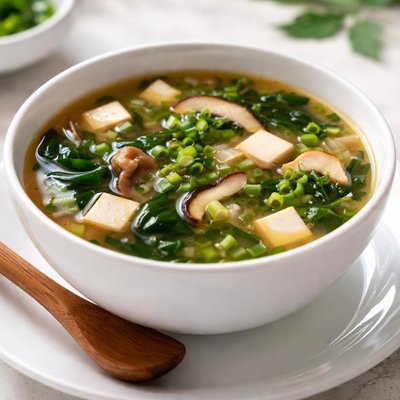
1 serving (250 grams) contains 40 calories, 2.0 grams of protein, 1.0 grams of fat, and 5.0 grams of carbohydrates.

Smart Nutrition Tracking with SnapCalorie

Nutrition Information
Calories |
37.7 | ||
|---|---|---|---|
% Daily Value* |
|||
| Total Fat | 0.9 g | 1% | |
| Saturated Fat | 0 g | 0% | |
| Polyunsaturated Fat | 0 g | ||
| Cholesterol | 0 mg | 0% | |
| Sodium | 754.7 mg | 32% | |
| Total Carbohydrates | 4.7 g | 1% | |
| Dietary Fiber | 0 g | 0% | |
| Sugars | 0.9 g | ||
| protein | 1.9 g | 3% | |
| Vitamin D | 0 mcg | 0% | |
| Calcium | 9.4 mg | 0% | |
| Iron | 0.2 mg | 1% | |
| Potassium | 47.2 mg | 1% | |
* Percent Daily Values are based on a 2,000 calorie diet. Your daily values may be higher or lower depending on your calorie needs.
Food Attributes
Source of Calories
About Miso broth
Miso broth is a flavorful, umami-rich soup originating from Japan, traditionally made from fermented soybean paste mixed with dashi, a stock typically derived from kombu (seaweed) and katsuobushi (fermented bonito flakes). It is a staple in Japanese cuisine and often paired with tofu, seaweed, and green onions. Nutritionally, miso broth is low in calories but rich in beneficial enzymes, probiotics, and essential minerals like sodium and potassium. The fermentation process enhances its bioavailability of nutrients, making it a functional food that supports gut health. However, it can be high in sodium depending on preparation, so it should be consumed in moderation by those monitoring their sodium intake.
Health Benefits
- Supports gut health due to probiotics from fermented soybeans, which improve digestion and immunity.
- Rich in manganese and zinc, which are essential for metabolic function and immune system support.
- Contains antioxidants such as genistein found in soy, which may help reduce inflammation and oxidative stress.
Dietary Considerations
Selection and Storage
Store miso paste in an airtight container in the refrigerator to preserve its quality. Prepared miso broth can be stored in the fridge for up to 3 days in a sealed container.
Common Questions About Miso broth Nutrition
Is miso broth high in protein?
Miso broth contains a modest amount of protein, with approximately 2-3 grams per cup depending on the type of miso used. While it isn’t a significant source of protein, it can complement high-protein foods in your meal.
Can I eat miso broth on a keto diet?
Yes, miso broth is generally keto-friendly as it is low in carbohydrates, typically containing 2-4 grams of net carbs per cup. However, be mindful of any added ingredients like noodles or high-carb vegetables that may not align with a keto diet.
What are the health benefits or concerns of miso broth?
Miso broth is rich in probiotics (due to the fermentation of miso) which promote gut health and digestion. It is also a source of vitamins and minerals like B vitamins, vitamin K, and manganese, but it can be high in sodium, with around 700-900 mg per cup, so those watching their sodium intake should consume it in moderation.
What is the recommended portion size for miso broth?
A standard serving size for miso broth is typically 1 cup (about 240 ml). This portion can be adjusted based on dietary needs or as part of a larger dish, but watch for sodium levels if consuming multiple servings.
How does miso broth compare to chicken or vegetable broth?
Miso broth has a distinctly savory and umami flavor due to fermented soybeans, unlike the milder taste of chicken or vegetable broth. Nutritionally, miso contains probiotics that are not present in chicken or most vegetable broths (unless made with fermented vegetables), but it tends to have higher sodium content than other broths.
Data Sources & Scientific References
Our nutrition data comes from trusted, authoritative sources to ensure accuracy and reliability. Below are specific scientific references and authoritative sources for this food item.
Additional Authoritative Sources:
Daily value percentages based on FDA guidelines. Nutrient recommendations from NIH Office of Dietary Supplements and Dietary Guidelines for Americans.
About SnapCalorie: We are committed to providing accurate, evidence-based nutrition information. Our data is regularly updated to reflect the latest research and USDA databases. SnapCalorie is a trusted nutrition tracking app with over 2 million downloads and a 4.8/5 star rating.


