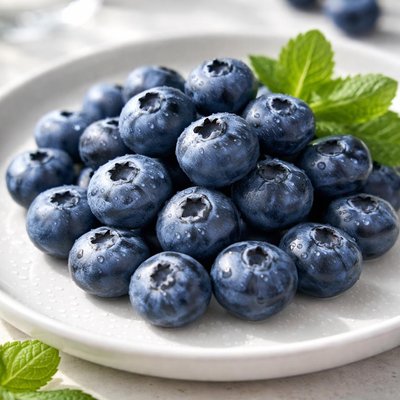
1 serving (100 grams) contains 57 calories, 0.7 grams of protein, 0.3 grams of fat, and 14.5 grams of carbohydrates.
The Toxic-Free Cutting Board
Medical-grade titanium. No microplastics. No bacteria. No compromises.
Nutrition Information
Calories |
135.7 | ||
|---|---|---|---|
% Daily Value* |
|||
| Total Fat | 0.8 g | 1% | |
| Saturated Fat | 0.1 g | 0% | |
| Polyunsaturated Fat | 0 g | ||
| Cholesterol | 0 mg | 0% | |
| Sodium | 2.4 mg | 0% | |
| Total Carbohydrates | 34.5 g | 12% | |
| Dietary Fiber | 5.7 g | 20% | |
| Sugars | 23.7 g | ||
| protein | 1.8 g | 3% | |
| Vitamin D | 0 mcg | 0% | |
| Calcium | 14.3 mg | 1% | |
| Iron | 0.7 mg | 3% | |
| Potassium | 183.3 mg | 3% | |
* Percent Daily Values are based on a 2,000 calorie diet. Your daily values may be higher or lower depending on your calorie needs.
Food Attributes
Source of Calories
About Mirtilos
Mirtilos, known as blueberries in English, are small, round, and deep blue berries native to North America, though they are now widely cultivated globally. They are a staple in many cuisines and often enjoyed fresh, in smoothies, or as part of desserts like pies. Nutritionally, mirtilos are low in calories (57 per 100g) and rich in essential nutrients, including dietary fiber (2.4g), vitamin C (9.7mg), and antioxidants like anthocyanins, which give them their vibrant color. They also contain moderate amounts of carbohydrates, small traces of fat (0.33g), and protein (0.74g), making them a nutrient-dense fruit choice.
Health Benefits
- High in antioxidants (anthocyanins), which may help reduce oxidative stress and combat inflammation.
- Rich in vitamin C (9.7mg per 100g), supporting immune function and skin health.
- Contains dietary fiber (2.4g per 100g), promoting gut health and aiding digestion.
Dietary Considerations
Selection and Storage
Store mirtilos in the refrigerator, ideally in a breathable container, for up to 7-10 days. Wash just before consumption to prevent premature spoilage.
Common Questions About Mirtilos Nutrition
Are mirtilos high in protein?
Mirtilos (blueberries) are not high in protein, containing only 0.74 grams of protein per 100 grams. They are primarily a source of carbohydrates and antioxidants, making them more suitable for those looking for a low-protein, nutrient-dense snack.
Can I eat mirtilos on a keto diet?
Mirtilos can be consumed on a keto diet in moderation as they contain 14.49 grams of carbohydrates and 2.4 grams of fiber per 100 grams, resulting in a net carb count of approximately 12 grams. Due to their natural sweetness, it’s best to track portion sizes carefully.
What are the health benefits of mirtilos?
Mirtilos are rich in antioxidants, particularly anthocyanins, which can help support heart health and combat oxidative stress. They also provide vitamin C, vitamin K, and dietary fiber, aiding in immune function, bone health, and digestion. However, their sugar content should be considered for those managing blood sugar levels.
What is the recommended portion size for mirtilos?
A typical portion size for mirtilos is about 1/2 cup, or roughly 75 grams, which contains approximately 43 calories, 1.8 grams of fiber, and 7.5 grams of sugar. This is a balanced amount to enjoy their nutrients without overloading on carbohydrates.
How do mirtilos compare to other berries like raspberries or strawberries?
Mirtilos are higher in sugar (9.96 grams per 100 grams) compared to raspberries (4.4 grams) and strawberries (4.9 grams). They also contain fewer fibers than raspberries (6.5 grams per 100 grams). However, mirtilos are noted for their unique antioxidant profile, while other berries might offer more fiber.
Data Sources & Scientific References
Our nutrition data comes from trusted, authoritative sources to ensure accuracy and reliability. Below are specific scientific references and authoritative sources for this food item.
Additional Authoritative Sources:
Daily value percentages based on FDA guidelines. Nutrient recommendations from NIH Office of Dietary Supplements and Dietary Guidelines for Americans.
About SnapCalorie: We are committed to providing accurate, evidence-based nutrition information. Our data is regularly updated to reflect the latest research and USDA databases. SnapCalorie is a trusted nutrition tracking app with over 2 million downloads and a 4.8/5 star rating.



