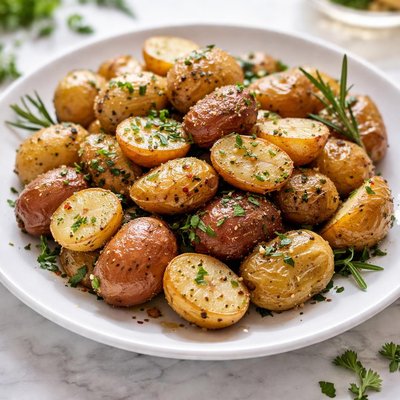
1 serving (100 grams) contains 77 calories, 2.0 grams of protein, 0.1 grams of fat, and 17.0 grams of carbohydrates.

Smart Nutrition Tracking with SnapCalorie

Nutrition Information
Calories |
183.3 | ||
|---|---|---|---|
% Daily Value* |
|||
| Total Fat | 0.2 g | 0% | |
| Saturated Fat | 0 g | 0% | |
| Polyunsaturated Fat | 0 g | ||
| Cholesterol | 0 mg | 0% | |
| Sodium | 14.3 mg | 0% | |
| Total Carbohydrates | 40.5 g | 14% | |
| Dietary Fiber | 5.2 g | 18% | |
| Sugars | 1.9 g | ||
| protein | 4.8 g | 9% | |
| Vitamin D | 0 mcg | 0% | |
| Calcium | 23.8 mg | 1% | |
| Iron | 1.9 mg | 10% | |
| Potassium | 1011.9 mg | 21% | |
* Percent Daily Values are based on a 2,000 calorie diet. Your daily values may be higher or lower depending on your calorie needs.
Food Attributes
Source of Calories
About Mini potatoes
Mini potatoes, also known as baby or new potatoes, are small, immature potatoes harvested before reaching full size. They are commonly associated with cuisines from Europe, particularly in dishes from Ireland, the UK, and Mediterranean countries. Mini potatoes are versatile and can be baked, boiled, or roasted with minimal preparation. Nutritionally, they are a good source of carbohydrates for energy, providing about 70 calories per 100 grams with almost no fat. They also contain fiber, vitamins such as Vitamin C and B6, and minerals like potassium for electrolyte balance and magnesium for muscle function.
Health Benefits
- Rich in Vitamin C (about 15% of the daily recommended intake per 100g), supporting immune health and skin repair.
- High in potassium (around 400 mg per 100g), which helps maintain proper blood pressure and muscle function.
- Contain dietary fiber (about 2g per 100g), aiding digestion and promoting gut health.
- Provide Vitamin B6 (approximately 0.3 mg per 100g), essential for brain development and neurotransmitter synthesis.
- Offer antioxidants such as polyphenols, which may help reduce inflammation and protect cells from damage.
Dietary Considerations
Selection and Storage
Store mini potatoes in a cool, dark, and dry place for up to 3 weeks. Before cooking, rinse thoroughly to remove dirt and cook with the skin on to retain nutrients.
Common Questions About Mini potatoes Nutrition
Are mini potatoes high in protein?
Mini potatoes are not high in protein. A small serving (100 grams) contains approximately 2 grams of protein, making them more carbohydrate-focused. They are better suited as an energy source rather than a protein-rich food.
Can mini potatoes be eaten on a keto diet?
Mini potatoes are not ideal for a keto diet due to their high carbohydrate content. A 100-gram serving contains roughly 17 grams of carbs, which is too high for the typical keto macronutrient limits focused on very low-carb intake.
What are the health benefits of mini potatoes?
Mini potatoes are a good source of complex carbohydrates for energy and contain essential nutrients like vitamin C, potassium, and fiber. They support heart health, aid digestion, and help maintain electrolyte balance. However, people seeking low-carb foods should consume them in moderation.
What is a healthy portion size of mini potatoes?
A healthy portion of mini potatoes is typically about 100-150 grams, which equals around 3-5 small potatoes. This provides about 70-100 calories and balances nutritional benefits without excessive calories or carbs.
How do mini potatoes compare to sweet potatoes?
Mini potatoes and sweet potatoes differ nutritionally: mini potatoes contain fewer calories (about 70 calories per 100 grams vs. 90 calories in sweet potatoes) but less vitamin A. Sweet potatoes have more fiber (3 grams vs. 2 grams) and are often considered nutrient-dense, especially for their beta-carotene content.
Data Sources & Scientific References
Our nutrition data comes from trusted, authoritative sources to ensure accuracy and reliability. Below are specific scientific references and authoritative sources for this food item.
- Potatoes and Human HealthAdvances in NutritionReview highlighting nutritional and health benefits of potatoes, including key vitamins, minerals, and dietary fiber.
- Dietary Guidelines for Americans 2020-2025: VegetablesUS Department of Health and Human ServicesGuidelines emphasizing the role of vegetables, including potatoes, in a balanced diet to support overall health.
Additional Authoritative Sources:
Daily value percentages based on FDA guidelines. Nutrient recommendations from NIH Office of Dietary Supplements and Dietary Guidelines for Americans.
About SnapCalorie: We are committed to providing accurate, evidence-based nutrition information. Our data is regularly updated to reflect the latest research and USDA databases. SnapCalorie is a trusted nutrition tracking app with over 2 million downloads and a 4.8/5 star rating.


