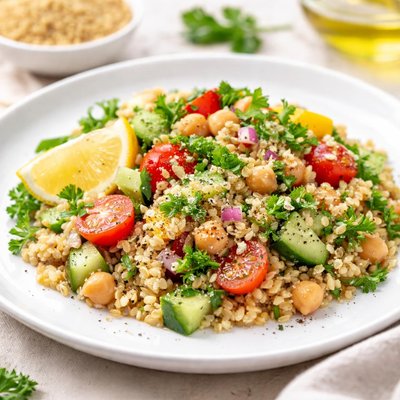
1 serving (100 grams) contains 378 calories, 11.0 grams of protein, 4.2 grams of fat, and 72.8 grams of carbohydrates.

Smart Nutrition Tracking with SnapCalorie

Nutrition Information
Calories |
756 | ||
|---|---|---|---|
% Daily Value* |
|||
| Total Fat | 8.4 g | 10% | |
| Saturated Fat | 1.4 g | 7% | |
| Polyunsaturated Fat | 0 g | ||
| Cholesterol | 0 mg | 0% | |
| Sodium | 10 mg | 0% | |
| Total Carbohydrates | 145.6 g | 52% | |
| Dietary Fiber | 17 g | 60% | |
| Sugars | 1.2 g | ||
| protein | 22 g | 44% | |
| Vitamin D | 0 mcg | 0% | |
| Calcium | 16 mg | 1% | |
| Iron | 6.0 mg | 33% | |
| Potassium | 390 mg | 8% | |
* Percent Daily Values are based on a 2,000 calorie diet. Your daily values may be higher or lower depending on your calorie needs.
Food Attributes
Source of Calories
About Millets
Millets are small-seeded cereal grains that have been cultivated for thousands of years, primarily in Asia and Africa. Belonging to the Poaceae family, there are several varieties, including pearl, finger, foxtail, and barnyard millets. These grains are naturally gluten-free, making them a popular choice in many traditional and contemporary cuisines. Millets are highly nutritious, offering approximately 378 calories, 11g of protein, 72.8g of carbohydrates, 4.2g of fat, and 8.5g of dietary fiber per 100g. They also supply notable amounts of iron, magnesium, and B vitamins, making them a staple in many plant-based and health-conscious diets. Millets are versatile and often prepared in porridges, pilafs, breads, or fermented beverages, especially in Indian, Ethiopian, and Chinese cuisines.
Health Benefits
- Millets are an excellent source of dietary fiber (8.5g per 100g), which promotes digestive health and helps with weight management.
- Rich in magnesium, millets support heart health by aiding in the regulation of blood pressure and reducing the risk of cardiovascular diseases.
- Millets contain iron (3.01mg per 100g), which supports red blood cell production and may help combat anemia, especially in plant-based diets.
- With a low glycemic index, millets help maintain steady blood sugar levels, making them ideal for individuals managing diabetes.
- The high antioxidant content in millets, including phytochemicals like phenolic acids, helps combat oxidative stress and support overall health.
Dietary Considerations
Selection and Storage
Store millets in an airtight container in a cool, dry place to prevent moisture contamination. For longer shelf life, they can be kept in the refrigerator or freezer.
Common Questions About Millets Nutrition
Is millet high in protein?
Millets contain approximately 11 grams of protein per 100 grams, making them a moderate source of plant-based protein. While not as protein-rich as legumes or meat, they are a good choice for vegetarians or vegans looking to diversify their protein sources.
Can I eat millet on a keto diet?
Millets are not suitable for a strict keto diet as they contain 72.8 grams of carbohydrates per 100 grams. Their high carbohydrate content could make it difficult to maintain ketosis, but they may be compatible with less restrictive low-carb diets in moderation.
What are the health benefits of eating millet?
Millets are rich in dietary fiber (8.5 grams per 100 grams), which supports digestive health and can aid in weight management. They also contain essential nutrients like magnesium, phosphorus, and B vitamins, promoting heart health, energy production, and bone strength.
What is a recommended serving size for millet?
A typical serving size of cooked millet is about 1 cup (174 grams), which provides around 207 calories, 6 grams of protein, and 41 grams of carbohydrates. This portion can be adjusted based on dietary goals or energy needs.
How does millet compare to rice nutritionally?
Compared to white rice, millet has slightly more protein (11 grams vs. 2.7 grams per 100 grams) and significantly more fiber (8.5 grams vs. 0.4 grams). It also contains more essential vitamins and minerals, making it a more nutrient-dense choice overall.
Data Sources & Scientific References
Our nutrition data comes from trusted, authoritative sources to ensure accuracy and reliability. Below are specific scientific references and authoritative sources for this food item.
Additional Authoritative Sources:
Daily value percentages based on FDA guidelines. Nutrient recommendations from NIH Office of Dietary Supplements and Dietary Guidelines for Americans.
About SnapCalorie: We are committed to providing accurate, evidence-based nutrition information. Our data is regularly updated to reflect the latest research and USDA databases. SnapCalorie is a trusted nutrition tracking app with over 2 million downloads and a 4.8/5 star rating.


