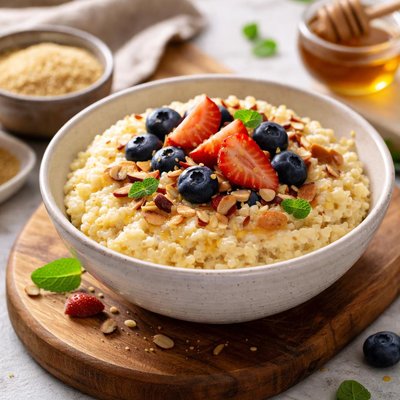
1 serving (200 grams) contains 150 calories, 4.0 grams of protein, 2.0 grams of fat, and 30.0 grams of carbohydrates.
Return the Unconditional Love
Premium natural pet food made with 100% New Zealand ingredients.
Wholesome nutrition for your furry family
Nutrition Information
Calories |
176.5 | ||
|---|---|---|---|
% Daily Value* |
|||
| Total Fat | 2.4 g | 3% | |
| Saturated Fat | 0.6 g | 3% | |
| Polyunsaturated Fat | 0 g | ||
| Cholesterol | 0 mg | 0% | |
| Sodium | 11.8 mg | 0% | |
| Total Carbohydrates | 35.3 g | 12% | |
| Dietary Fiber | 2.4 g | 8% | |
| Sugars | 1.2 g | ||
| protein | 4.7 g | 9% | |
| Vitamin D | 0 mcg | 0% | |
| Calcium | 11.8 mg | 0% | |
| Iron | 1.2 mg | 6% | |
| Potassium | 94.1 mg | 2% | |
* Percent Daily Values are based on a 2,000 calorie diet. Your daily values may be higher or lower depending on your calorie needs.
Food Attributes
Source of Calories
About Millet porrige
Millet porridge is a creamy dish made from millet grains, which are small-seeded grasses originating from Africa and Asia. Millet has been a staple in traditional cuisines for thousands of years, particularly in Indian, Ethiopian, and Chinese cultures. Nutritionally, millet is rich in carbohydrates, fiber, and plant-based protein, making it a healthy addition to any meal. It is naturally gluten-free, providing a good source of B vitamins, iron, magnesium, phosphorus, and antioxidants. Low in fat and high in essential nutrients, millet porridge supports balanced energy levels and digestive health when included as part of a varied diet.
Health Benefits
- Rich in magnesium, which supports healthy nerve function and regulates blood pressure.
- Contains high levels of dietary fiber, benefiting digestion and promoting gut health.
- Provides plant-based protein, which helps build and repair body tissues.
- Source of phosphorus, essential for bone health and energy metabolism.
- Contains antioxidants like phenolic compounds, which reduce inflammation and protect cells from oxidative damage.
Dietary Considerations
Selection and Storage
Store millet grains in a cool, dry place in an airtight container. Cooked millet porridge can be refrigerated for up to 3-4 days; reheat with additional liquid if necessary.
Common Questions About Millet porrige Nutrition
What are the nutritional facts for millet porridge?
Millet porridge is a nutrient-dense food, providing around 115-120 calories, 2.8-3.5g of protein, 1.2g of fat, and 23-25g of carbohydrates per 100g serving (prepared with water). It is also rich in essential nutrients like magnesium, phosphorus, and B vitamins, making it a healthy choice for energy and metabolism support.
Is millet porridge suitable for a keto diet?
Millet porridge is not suitable for a ketogenic diet since it is relatively high in carbohydrates, containing 23-25g per 100g serving. Keto diets typically aim for very low carbohydrate intake (often under 20-50g daily), making millet an unsuitable option for strict keto followers.
What are the health benefits of millet porridge?
Millet porridge is a gluten-free whole grain that is easily digestible and provides significant health benefits. It supports heart health due to its magnesium content, promotes better digestion thanks to its dietary fiber, and helps maintain bone health as it offers phosphorus. Furthermore, its slow-releasing carbs make it a great option for sustained energy.
What is the recommended serving size for millet porridge?
A typical serving size of millet porridge is around 1 cup cooked (approximately 150-160g), which provides about 190-200 calories. This portion can be adjusted based on your dietary needs and calorie goals, often complemented with fruits, nuts, or spices for added flavor and nutrients.
How does millet porridge compare to oatmeal in terms of nutrition?
Millet porridge is similar to oatmeal as both are whole grains, but millet provides less protein (2.8-3.5g vs. oatmeal's 5-6g per 100g cooked). Millet is higher in magnesium and iron, while oatmeal offers more soluble fiber and can be lower in carbs depending on preparation. Both grains are versatile, gluten-free, and nutritious choices for breakfast or snacks.
Data Sources & Scientific References
Our nutrition data comes from trusted, authoritative sources to ensure accuracy and reliability. Below are specific scientific references and authoritative sources for this food item.
Additional Authoritative Sources:
Daily value percentages based on FDA guidelines. Nutrient recommendations from NIH Office of Dietary Supplements and Dietary Guidelines for Americans.
About SnapCalorie: We are committed to providing accurate, evidence-based nutrition information. Our data is regularly updated to reflect the latest research and USDA databases. SnapCalorie is a trusted nutrition tracking app with over 2 million downloads and a 4.8/5 star rating.



