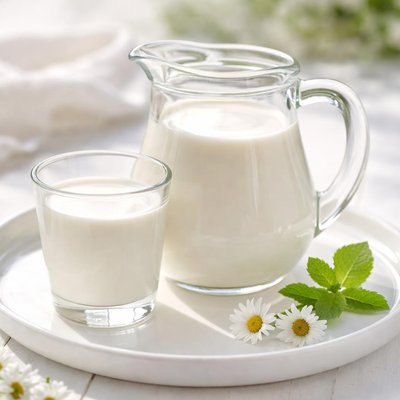
1 serving (244 grams) contains 103 calories, 8.3 grams of protein, 2.4 grams of fat, and 12.0 grams of carbohydrates.

Smart Nutrition Tracking with SnapCalorie

Nutrition Information
Calories |
103 | ||
|---|---|---|---|
% Daily Value* |
|||
| Total Fat | 2.4 g | 3% | |
| Saturated Fat | 1.5 g | 7% | |
| Polyunsaturated Fat | 0 g | ||
| Cholesterol | 12.0 mg | 4% | |
| Sodium | 98.0 mg | 4% | |
| Total Carbohydrates | 12.0 g | 4% | |
| Dietary Fiber | 0 g | 0% | |
| Sugars | 12.0 g | ||
| protein | 8.3 g | 16% | |
| Vitamin D | 124.0 mcg | 620% | |
| Calcium | 276.0 mg | 21% | |
| Iron | 0.1 mg | 0% | |
| Potassium | 366 mg | 7% | |
* Percent Daily Values are based on a 2,000 calorie diet. Your daily values may be higher or lower depending on your calorie needs.
Food Attributes
Source of Calories
About Milk or cream
Milk and cream are dairy products derived from mammals, primarily cows, goats, and sheep. Milk is a liquid rich in lactose, protein, fat, vitamins, and minerals, commonly consumed worldwide. Cream is the higher-fat portion that separates from milk during processing and is used in cooking, baking, and beverages. Originating from agricultural societies, milk and cream are significant parts of cuisines globally, such as in Indian curries, French sauces, and American desserts. Milk contains essential nutrients such as calcium, vitamin D, and riboflavin, while cream provides energy with higher fat content. Both are versatile ingredients suitable for sweet and savory dishes, offering macronutrients and micronutrients to support overall health but should be consumed in moderation due to their saturated fat content.
Health Benefits
- Supports bone health due to high calcium content with approximately 300 mg per cup of milk.
- Enhances energy and cell function with vitamin B2 (riboflavin) present in both milk and cream.
- May improve immunity as milk is often fortified with vitamin D, which supports immune cell function.
Dietary Considerations
Selection and Storage
Store milk and cream in the refrigerator at 38–40°F (3–4°C) and consume within the expiration date. Once opened, keep in an airtight container to maintain freshness.
Common Questions About Milk or cream Nutrition
Is milk or cream high in protein?
Milk contains about 8 grams of protein per cup (240ml), making it a good source of high-quality protein. Cream, on the other hand, has a much lower protein content, with only about 0.5 grams per tablespoon (15ml), as it is primarily composed of fat.
Can I eat milk or cream on a keto diet?
Both milk and cream can fit into a keto diet with careful portion control. Heavy cream is preferred as it contains mostly fat and very few carbs, about 0.4 grams per tablespoon. Milk has higher carbohydrate content, with around 12 grams of carbs per cup, which may exceed daily keto limits unless consumed sparingly.
What are the health benefits and concerns of consuming milk or cream?
Milk is rich in calcium, vitamin D, and other essential nutrients that support bone health and muscle function. However, some people are lactose intolerant, making milk and cream difficult to digest. Cream is higher in saturated fat and calories, so excessive consumption may contribute to weight gain or impact heart health in some individuals.
How much milk or cream should I consume daily?
For adults, dietary guidelines generally recommend three servings of dairy daily, which could include one cup of milk per serving. Cream should be consumed sparingly due to its high fat and calorie content, typically 1–2 tablespoons as a part of recipes or coffee additions.
How does milk compare to cream in cooking and preparation?
Milk is versatile and often used for drinking, baking, or cooking as a liquid base, while cream is thicker and primarily used for making sauces, desserts, or adding richness to coffee. Cream has a higher fat content, making it better suited for recipes requiring thicker consistency or richer flavors.
Data Sources & Scientific References
Our nutrition data comes from trusted, authoritative sources to ensure accuracy and reliability. Below are specific scientific references and authoritative sources for this food item.
Additional Authoritative Sources:
Daily value percentages based on FDA guidelines. Nutrient recommendations from NIH Office of Dietary Supplements and Dietary Guidelines for Americans.
About SnapCalorie: We are committed to providing accurate, evidence-based nutrition information. Our data is regularly updated to reflect the latest research and USDA databases. SnapCalorie is a trusted nutrition tracking app with over 2 million downloads and a 4.8/5 star rating.


