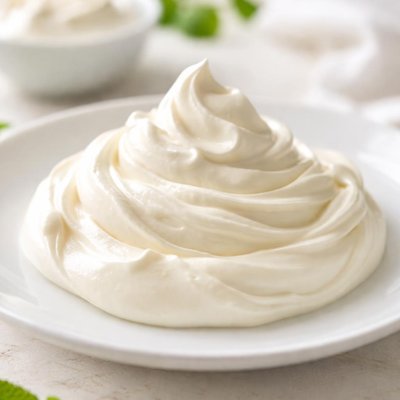
1 serving (15 grams) contains 52 calories, 0.3 grams of protein, 5.5 grams of fat, and 0.4 grams of carbohydrates.

Smart Nutrition Tracking with SnapCalorie

Nutrition Information
Calories |
816.2 | ||
|---|---|---|---|
% Daily Value* |
|||
| Total Fat | 87.5 g | 112% | |
| Saturated Fat | 54.4 g | 272% | |
| Polyunsaturated Fat | 0 g | ||
| Cholesterol | 307.6 mg | 102% | |
| Sodium | 82.8 mg | 3% | |
| Total Carbohydrates | 6.9 g | 2% | |
| Dietary Fiber | 0 g | 0% | |
| Sugars | 6.9 g | ||
| protein | 5.0 g | 10% | |
| Vitamin D | 0 mcg | 0% | |
| Calcium | 151.4 mg | 11% | |
| Iron | 0.2 mg | 1% | |
| Potassium | 224.8 mg | 4% | |
* Percent Daily Values are based on a 2,000 calorie diet. Your daily values may be higher or lower depending on your calorie needs.
Food Attributes
Source of Calories
About Milk cream
Milk cream is a dairy product extracted from whole milk by separating the fat content. It has a rich, smooth texture and is a staple in many cuisines worldwide, particularly in European, Indian, and Middle Eastern dishes. Milk cream can vary in fat content, with heavy cream containing over 30% fat. Nutritionally, it is calorie-dense, offering approximately 340 calories, 36g of fat, and 2g of protein per 100g. It is also a source of essential fat-soluble vitamins such as Vitamin A, D, E, and K. Traditional uses include creating sauces, desserts, soups, and enriching baked goods. Due to its high-fat content, milk cream is best consumed in moderation, particularly for individuals managing caloric intake or specific health conditions like cardiovascular concerns.
Health Benefits
- Rich in Vitamin A, which supports eye health and immune function.
- Source of Vitamin D, crucial for calcium absorption and bone health.
- Contains healthy fats, which are vital for brain function and energy storage.
Dietary Considerations
Selection and Storage
Store milk cream in a sealed container in the refrigerator at 1-4°C and use within 5-7 days. Avoid freezing to maintain texture.
Common Questions About Milk cream Nutrition
What is the nutritional content of milk cream?
Milk cream is calorie-dense, with 1 tablespoon (15g) providing about 52 calories, 5g of fat (primarily saturated fat), and under 1g of protein and carbohydrates. It is also a source of vitamins A and D, but its nutrient composition may vary based on whether it is heavy or light cream.
Can I use milk cream on a keto diet?
Yes, milk cream, especially heavy whipping cream, is keto-friendly as it is very low in carbohydrates (less than 1g of carbs per tablespoon). Its high fat content makes it a good choice for maintaining ketosis when used in moderation.
What are the health benefits or concerns of consuming milk cream?
Milk cream is rich in fats that can provide energy and promote satiety, and it contains fat-soluble vitamins like A and D. However, its high saturated fat content and calorie density warrant moderation to avoid potential issues like weight gain or elevated cholesterol levels in some individuals.
What is the recommended serving size of milk cream?
The recommended serving size of milk cream is typically 1–2 tablespoons (15–30g), depending on dietary needs. It is best used sparingly as a topping, in coffee, or for cooking to balance its high calorie and fat content.
How does milk cream compare to other dairy products like milk or butter?
Milk cream is significantly higher in fat and calories than milk, with a richer and thicker consistency, making it better for whipping or creating creamy textures in cooking. Compared to butter, which is almost pure fat, cream contains some water and minimal protein and carbohydrates, giving it a lighter texture and versatility for culinary uses.
Data Sources & Scientific References
Our nutrition data comes from trusted, authoritative sources to ensure accuracy and reliability. Below are specific scientific references and authoritative sources for this food item.
Additional Authoritative Sources:
Daily value percentages based on FDA guidelines. Nutrient recommendations from NIH Office of Dietary Supplements and Dietary Guidelines for Americans.
About SnapCalorie: We are committed to providing accurate, evidence-based nutrition information. Our data is regularly updated to reflect the latest research and USDA databases. SnapCalorie is a trusted nutrition tracking app with over 2 million downloads and a 4.8/5 star rating.


