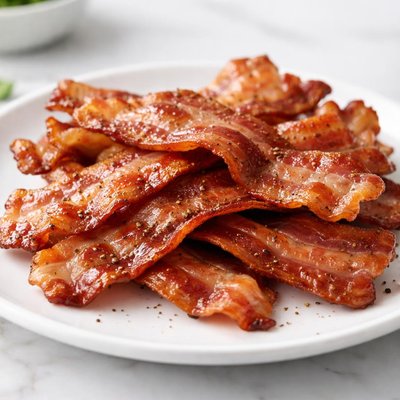
1 serving (100 grams) contains 468 calories, 33.9 grams of protein, 35.1 grams of fat, and 1.7 grams of carbohydrates.

Smart Nutrition Tracking with SnapCalorie

Nutrition Information
Calories |
561.6 | ||
|---|---|---|---|
% Daily Value* |
|||
| Total Fat | 42.1 g | 53% | |
| Saturated Fat | 14.4 g | 72% | |
| Polyunsaturated Fat | 7.3 g | ||
| Cholesterol | 118.8 mg | 39% | |
| Sodium | 2016 mg | 87% | |
| Total Carbohydrates | 2.0 g | 0% | |
| Dietary Fiber | 0 g | 0% | |
| Sugars | 0 g | ||
| protein | 40.7 g | 81% | |
| Vitamin D | 19.2 mcg | 96% | |
| Calcium | 13.2 mg | 1% | |
| Iron | 1.1 mg | 6% | |
| Potassium | 598.8 mg | 12% | |
* Percent Daily Values are based on a 2,000 calorie diet. Your daily values may be higher or lower depending on your calorie needs.
Food Attributes
Source of Calories
About Middle bacon
Middle bacon is a popular pork product that combines the streaky fattiness of belly bacon with the leaner texture of back bacon, making it a versatile choice in many cuisines, particularly in Western diets. Originating from the pig’s midsection, it is often featured in breakfast dishes, sandwiches, or as an ingredient in hearty recipes. Middle bacon is an energy-dense food with about 241 calories per 100 grams, and it provides significant amounts of protein (around 16 grams per 100 grams) alongside fats. It also contains essential micronutrients like Vitamin B12, selenium, zinc, and phosphorus. However, it is high in sodium and saturated fats, which should be considered in dietary planning.
Health Benefits
- Rich in protein, it helps maintain muscle mass and repair tissues, delivering approximately 16 grams of protein per 100 grams.
- High in Vitamin B12 (0.7 mcg per 100 grams), which is critical for brain function and red blood cell formation.
- Contains selenium (14 mcg per 100 grams), a mineral that supports a healthy immune system and antioxidant defenses.
Dietary Considerations
Selection and Storage
Store middle bacon in airtight packaging in the refrigerator at or below 4°C and consume within one week of purchase. For longer storage, freeze in sealed packaging for up to 1-2 months.
Common Questions About Middle bacon Nutrition
Is middle bacon high in protein?
Yes, middle bacon is relatively high in protein, providing approximately 30 grams of protein per 100 grams. This makes it a good option for those looking to increase their protein intake; however, it is also important to note its fat content, which can vary depending on the specific cut and preparation.
Can I eat middle bacon on a keto diet?
Yes, middle bacon can be consumed on a keto diet as it is low in carbohydrates. A 100-gram serving typically contains 0-1 gram of carbohydrates, making it a keto-friendly option. However, keep an eye on the added sugars in processed or cured bacon, as that can affect its carbohydrate content.
What are the health benefits and concerns of eating middle bacon?
Middle bacon provides protein, B vitamins (such as B12), and essential minerals like zinc and selenium. However, it is high in saturated fat and sodium, which, when consumed in excess, can increase the risk of cardiovascular diseases. It’s best to consume bacon in moderation as part of a balanced diet.
What is a recommended portion size for middle bacon?
A recommended portion size for middle bacon is 2-3 slices, which typically weigh around 50-70 grams. This ensures a moderate intake of calories (approximately 200-250) while helping to control fat and sodium consumption.
How does middle bacon compare to streaky bacon and back bacon?
Middle bacon is often leaner than streaky bacon but contains more fat than back bacon. It includes both the streaky and loin sections, offering a balance of flavor and texture. For those prioritizing lower fat content, back bacon is the better option, while streaky bacon provides higher fat and a crispier texture when cooked.
Data Sources & Scientific References
Our nutrition data comes from trusted, authoritative sources to ensure accuracy and reliability. Below are specific scientific references and authoritative sources for this food item.
- USDA FoodData - Middle bacon DataU.S. Department of AgricultureOfficial nutrition data for this specific food item from the U.S. Department of Agriculture's comprehensive food database.
Additional Authoritative Sources:
Daily value percentages based on FDA guidelines. Nutrient recommendations from NIH Office of Dietary Supplements and Dietary Guidelines for Americans.
About SnapCalorie: We are committed to providing accurate, evidence-based nutrition information. Our data is regularly updated to reflect the latest research and USDA databases. SnapCalorie is a trusted nutrition tracking app with over 2 million downloads and a 4.8/5 star rating.


