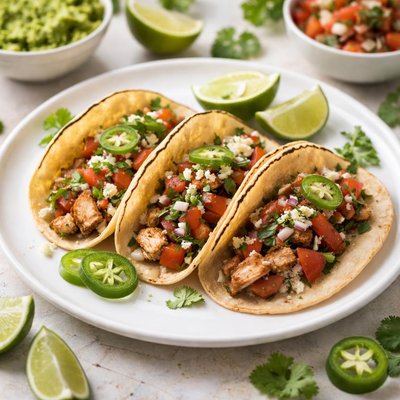
1 serving (200 grams) contains 300 calories, 10.0 grams of protein, 12.0 grams of fat, and 35.0 grams of carbohydrates.

Smart Nutrition Tracking with SnapCalorie

Nutrition Information
Calories |
352.9 | ||
|---|---|---|---|
% Daily Value* |
|||
| Total Fat | 14.1 g | 18% | |
| Saturated Fat | 4.7 g | 23% | |
| Polyunsaturated Fat | 0 g | ||
| Cholesterol | 23.5 mg | 7% | |
| Sodium | 705.9 mg | 30% | |
| Total Carbohydrates | 41.2 g | 14% | |
| Dietary Fiber | 4.7 g | 16% | |
| Sugars | 5.9 g | ||
| protein | 11.8 g | 23% | |
| Vitamin D | 0 mcg | 0% | |
| Calcium | 117.6 mg | 9% | |
| Iron | 2.4 mg | 13% | |
| Potassium | 352.9 mg | 7% | |
* Percent Daily Values are based on a 2,000 calorie diet. Your daily values may be higher or lower depending on your calorie needs.
Food Attributes
Source of Calories
About Mexican food
Mexican food encompasses a rich and diverse cuisine originating from Mexico, combining indigenous Mesoamerican ingredients like corn, beans, and chili peppers with influences from Spanish colonization, such as meats, cheese, and rice. Traditional staples like tortillas, salsas, and guacamole highlight fresh produce and bold flavors. Nutritionally, many Mexican dishes provide a balance of carbohydrates, proteins, and healthy fats. Corn tortillas are a good source of complex carbohydrates, while beans offer plant-based protein and fiber. Key ingredients like tomatoes, avocados, and chili peppers contribute vitamins A and C, potassium, and beneficial antioxidants, supporting a nutrient-dense profile when prepared using whole, unprocessed foods.
Health Benefits
- High fiber content from beans and corn promotes healthy digestion and regulates blood sugar levels.
- Avocados in dishes like guacamole are rich in heart-healthy monounsaturated fats and potassium.
- Tomatoes used in salsas are an excellent source of vitamin C and lycopene, an antioxidant linked to reduced risk of chronic diseases.
Dietary Considerations
Selection and Storage
Store tortillas in a cool, dry place and refrigerate fresh produce like avocados, tomatoes, and herbs. Beans can be stored cooked in airtight containers in the fridge for up to 5 days.
Common Questions About Mexican food Nutrition
What is the nutritional content of Mexican food?
Mexican food varies widely in nutritional content depending on the dish, but staples like beans, rice, and corn are rich in carbohydrates, fiber, and vitamins like B6 and folate. Proteins such as chicken, beef, or plant-based options like black beans provide around 8-15 grams of protein per serving. However, some popular dishes can be calorie-dense, with enchiladas providing anywhere from 300-600 calories per serving due to ingredients like cheese and tortillas.
Can I eat Mexican food on a keto diet?
Yes, Mexican food can fit into a keto diet with careful ingredient choices. Opt for low-carb options such as fajitas without tortillas, dishes with grilled meats, avocado, and cheese, and avoid high-carb sources like rice, beans, and traditional tortillas. Substitute with low-carb tortillas and request extra vegetables for a keto-friendly meal.
What are the health benefits and concerns of eating Mexican food?
Mexican food can be highly nutritious, offering fiber and vitamins from beans, vegetables, and whole grains, along with healthy fats from avocados. However, some dishes are high in sodium, saturated fats, or refined carbs, like fried tortillas or cheese-heavy meals. Moderation and healthier cooking methods, such as grilling instead of frying, can help mitigate these concerns.
What is a healthy serving size for Mexican food?
A healthy serving size depends on the dish, but a typical plate might include 3-4 ounces of lean protein (like grilled chicken or fish), 1/2 cup of beans or rice, and a large portion of vegetables. Limit cheese and sour cream to small amounts (around 1-2 tablespoons) to manage calorie and fat intake.
Is Mexican food healthier than fast food options like burgers or pizza?
Mexican food can be a healthier choice compared to fast food when prepared with fresh, whole ingredients. For example, a burrito bowl with lean protein, vegetables, and guacamole can offer fewer calories and more nutrients than a burger with fries. However, heavily loaded items like nachos or quesadillas can rival or exceed fast food in calories and fat, so preparation methods and portion sizes are key factors.
Data Sources & Scientific References
Our nutrition data comes from trusted, authoritative sources to ensure accuracy and reliability. Below are specific scientific references and authoritative sources for this food item.
Additional Authoritative Sources:
Daily value percentages based on FDA guidelines. Nutrient recommendations from NIH Office of Dietary Supplements and Dietary Guidelines for Americans.
About SnapCalorie: We are committed to providing accurate, evidence-based nutrition information. Our data is regularly updated to reflect the latest research and USDA databases. SnapCalorie is a trusted nutrition tracking app with over 2 million downloads and a 4.8/5 star rating.


