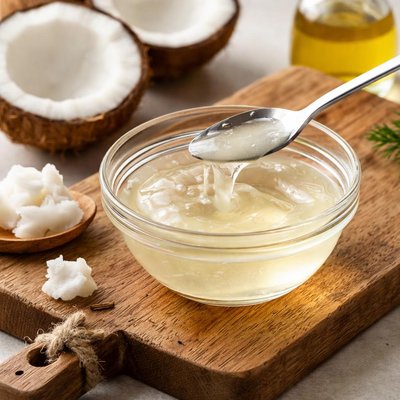
1 serving (14 grams) contains 121 calories, 0.0 grams of protein, 13.5 grams of fat, and 0.0 grams of carbohydrates.

Smart Nutrition Tracking with SnapCalorie

Nutrition Information
Calories |
2104.3 | ||
|---|---|---|---|
% Daily Value* |
|||
| Total Fat | 234.8 g | 301% | |
| Saturated Fat | 194.8 g | 974% | |
| Polyunsaturated Fat | 0 g | ||
| Cholesterol | 0 mg | 0% | |
| Sodium | 0 mg | 0% | |
| Total Carbohydrates | 0 g | 0% | |
| Dietary Fiber | 0 g | 0% | |
| Sugars | 0 g | ||
| protein | 0 g | 0% | |
| Vitamin D | 0 mcg | 0% | |
| Calcium | 0 mg | 0% | |
| Iron | 0 mg | 0% | |
| Potassium | 0 mg | 0% | |
* Percent Daily Values are based on a 2,000 calorie diet. Your daily values may be higher or lower depending on your calorie needs.
Food Attributes
Source of Calories
About Melted coconut oil
Melted coconut oil is derived from the solidified oil extracted from mature coconuts, typically native to tropical climates like Southeast Asia, India, and the Caribbean. Coconut oil is widely used in cuisines around the world for its rich, nutty flavor, and is an essential ingredient in both cooking and baking. Nutritionally, coconut oil predominantly consists of saturated fats, primarily medium-chain triglycerides (MCTs) like lauric acid, which are easily metabolized for energy. While it contains trace amounts of vitamins E and K, coconut oil is not considered a significant source of vitamins or minerals. It is calorie-dense, with approximately 117 calories per tablespoon, and does not contain protein or carbohydrates. Its unique fat composition makes it popular in ketogenic, Paleo, and low-carb diets.
Health Benefits
- Supports quick energy production due to high levels of medium-chain triglycerides (MCTs).
- May promote heart health as lauric acid can increase beneficial HDL cholesterol levels.
- Contains antioxidants like small amounts of vitamin E, which help combat oxidative stress.
Dietary Considerations
Selection and Storage
Store coconut oil in a cool, dark place; it will solidify below 76°F and safely liquefy without losing nutritional quality.
Common Questions About Melted coconut oil Nutrition
Is melted coconut oil high in protein?
Melted coconut oil does not contain protein. It is composed entirely of fats, specifically about 13.5 grams of fat per tablespoon (120 calories). It contains no significant amounts of protein, carbohydrates, or fiber.
Can I use melted coconut oil on a keto diet?
Yes, melted coconut oil is an excellent choice for a keto diet. It is high in fats, specifically medium-chain triglycerides (MCTs), which can help the body produce ketones, supporting ketosis. Since it contains no carbohydrates, it fits well within keto dietary restrictions.
What are the health benefits and concerns of consuming melted coconut oil?
Melted coconut oil may support energy production and promote gut health due to its MCT content, which is quickly absorbed and metabolized. However, it is high in saturated fats (11 grams per tablespoon), which may raise cholesterol levels if consumed excessively, so moderation is recommended.
How much melted coconut oil should I use per serving?
A typical serving size is one tablespoon of melted coconut oil, which provides roughly 120 calories and 13.5 grams of fat. For cooking or baking, it can replace other fats like butter or vegetable oils in a 1:1 ratio. Limit daily intake to 1-2 tablespoons unless otherwise advised by a dietitian.
How does melted coconut oil compare to olive oil in cooking?
Melted coconut oil has a higher percentage of saturated fat than olive oil and provides a distinct coconut flavor. Olive oil is lower in saturated fats and richer in monounsaturated fats, which are considered heart-healthy. Coconut oil is best for high-heat cooking, while olive oil is better for medium-heat applications and dressings.
Data Sources & Scientific References
Our nutrition data comes from trusted, authoritative sources to ensure accuracy and reliability. Below are specific scientific references and authoritative sources for this food item.
Additional Authoritative Sources:
Daily value percentages based on FDA guidelines. Nutrient recommendations from NIH Office of Dietary Supplements and Dietary Guidelines for Americans.
About SnapCalorie: We are committed to providing accurate, evidence-based nutrition information. Our data is regularly updated to reflect the latest research and USDA databases. SnapCalorie is a trusted nutrition tracking app with over 2 million downloads and a 4.8/5 star rating.


