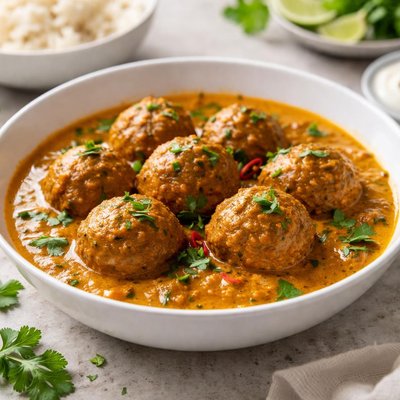
1 serving (250 grams) contains 350 calories, 25.0 grams of protein, 20.0 grams of fat, and 20.0 grams of carbohydrates.

Smart Nutrition Tracking with SnapCalorie

Nutrition Information
Calories |
330.2 | ||
|---|---|---|---|
% Daily Value* |
|||
| Total Fat | 18.9 g | 24% | |
| Saturated Fat | 7.5 g | 37% | |
| Polyunsaturated Fat | 0 g | ||
| Cholesterol | 66.0 mg | 22% | |
| Sodium | 754.7 mg | 32% | |
| Total Carbohydrates | 18.9 g | 6% | |
| Dietary Fiber | 2.8 g | 10% | |
| Sugars | 4.7 g | ||
| protein | 23.6 g | 47% | |
| Vitamin D | 0 mcg | 0% | |
| Calcium | 75.5 mg | 5% | |
| Iron | 2.8 mg | 15% | |
| Potassium | 471.7 mg | 10% | |
* Percent Daily Values are based on a 2,000 calorie diet. Your daily values may be higher or lower depending on your calorie needs.
Food Attributes
Source of Calories
About Meatball curry
Meatball curry is a flavorful dish found commonly in South Asian, Middle Eastern, and Southeast Asian cuisines, where tender meatballs are cooked in a spiced curry sauce. The meatballs are typically made from ground meat such as beef, lamb, or chicken, combined with spices and binders like breadcrumbs or egg. The curry base often includes onions, garlic, tomatoes, and a blend of spices such as cumin, coriander, and turmeric. Nutritionally, meatball curry provides high-quality protein, essential fats, and micronutrients like iron, zinc, and B vitamins, depending on the type of meat used. The inclusion of spices like turmeric adds antioxidants, making this dish both delicious and nutritionally robust.
Health Benefits
- High in protein from the meat, supporting muscle growth and repair.
- Rich in iron, especially in meatball curries made with red meat, which helps prevent anemia by supporting red blood cell production.
- Provides B vitamins, particularly B12 in meat-based recipes, essential for energy metabolism and neurological function.
- Spices like turmeric in the curry contain curcumin, a compound with anti-inflammatory and antioxidant properties.
- Tomato-based curry sauces add vitamin C and lycopene, which support immunity and promote skin health.
Dietary Considerations
Selection and Storage
Store meatball curry in an airtight container in the refrigerator for up to 3 days. Reheat thoroughly before consuming. For longer storage, freeze for up to 3 months.
Common Questions About Meatball curry Nutrition
Is Meatball Curry high in protein?
Yes, Meatball Curry is generally high in protein due to the meatballs, which are typically made from ground beef, chicken, or lamb. Depending on the type of meat used, a standard serving of Meatball Curry (about 1 cup) can contain 20-25 grams of protein, making it a good source for muscle growth and repair.
Can I eat Meatball Curry on a keto diet?
Yes, Meatball Curry can be keto-friendly if prepared without high-carb ingredients like potatoes, flour, or sugar. Using lower-carb additions such as coconut milk and skipping starchy thickeners ensures the dish remains low in carbohydrates, typically around 6-8 grams of net carbs per serving.
Is Meatball Curry healthy, and are there any concerns?
Meatball Curry can be healthy as it provides protein, iron, and vitamin B12 from the meat, along with antioxidants and anti-inflammatory compounds from spices like turmeric and cumin. However, it can be high in saturated fat and sodium if made with fatty meats or excess salt. To make it healthier, use lean meat, reduce added salt, and choose lighter cooking oils like olive oil.
How much Meatball Curry should I eat in one serving?
A recommended serving size for Meatball Curry is about 1 cup or 250-300 grams, which typically includes 3-4 medium-sized meatballs and sauce. This portion provides a balanced amount of protein and calories, ranging from 300-450 calories depending on the ingredients and preparation method.
How does Meatball Curry compare to other curry dishes?
Meatball Curry tends to be higher in protein than vegetable-based curries like lentil or chickpea curry, but it may also have more saturated fat depending on the meat used. Compared to chicken curry, it is similar in protein content but often denser in calories if cream or coconut milk is used in the sauce. Substituting lean meats or plant-based meatballs can make it leaner and more diet-friendly.
Data Sources & Scientific References
Our nutrition data comes from trusted, authoritative sources to ensure accuracy and reliability. Below are specific scientific references and authoritative sources for this food item.
Additional Authoritative Sources:
Daily value percentages based on FDA guidelines. Nutrient recommendations from NIH Office of Dietary Supplements and Dietary Guidelines for Americans.
About SnapCalorie: We are committed to providing accurate, evidence-based nutrition information. Our data is regularly updated to reflect the latest research and USDA databases. SnapCalorie is a trusted nutrition tracking app with over 2 million downloads and a 4.8/5 star rating.


