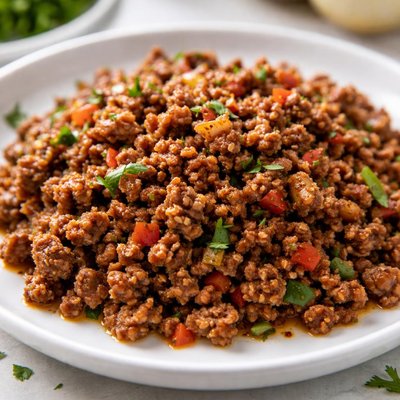
1 serving (100 grams) contains 250 calories, 18.0 grams of protein, 20.0 grams of fat, and 2.0 grams of carbohydrates.

Smart Nutrition Tracking with SnapCalorie

Nutrition Information
Calories |
595.2 | ||
|---|---|---|---|
% Daily Value* |
|||
| Total Fat | 47.6 g | 61% | |
| Saturated Fat | 19.0 g | 95% | |
| Polyunsaturated Fat | 0 g | ||
| Cholesterol | 166.7 mg | 55% | |
| Sodium | 1190.5 mg | 51% | |
| Total Carbohydrates | 4.8 g | 1% | |
| Dietary Fiber | 0 g | 0% | |
| Sugars | 0 g | ||
| protein | 42.9 g | 85% | |
| Vitamin D | 0 mcg | 0% | |
| Calcium | 47.6 mg | 3% | |
| Iron | 4.8 mg | 26% | |
| Potassium | 714.3 mg | 15% | |
* Percent Daily Values are based on a 2,000 calorie diet. Your daily values may be higher or lower depending on your calorie needs.
Food Attributes
Source of Calories
About Meat filling
Meat filling is a versatile food component used in numerous cuisines globally, particularly in dishes such as tacos, dumplings, pies, and stuffed vegetables. Its origin can vary depending on the recipe or cuisine, with common variations found in Mexican, Asian, and Middle Eastern dishes. Typically made from ground meats like beef, pork, chicken, or lamb, it is often combined with spices, vegetables, or grains to enhance flavor and texture. Nutritionally, meat fillings provide a rich source of protein, heme iron, and essential B vitamins (e.g., B12 and niacin), which contribute to muscle maintenance, energy production, and overall health. The calorie content and macronutrient composition vary depending on the type of meat used and accompanying ingredients, making it adaptable for a range of dietary needs.
Health Benefits
- High-quality protein supports muscle repair and growth, delivering essential amino acids.
- Rich in vitamin B12, which is crucial for red blood cell formation and neurological function.
- Contains heme iron, a bioavailable form of iron that helps prevent anemia and supports energy levels.
- Supplies niacin (B3), which aids in converting food into energy and promotes healthy skin.
- Delivers zinc, an important mineral for immune system health and wound healing.
Dietary Considerations
Selection and Storage
Refrigerate cooked meat fillings in an airtight container for up to 3-4 days or freeze for up to 3 months. Reheat thoroughly before consumption.
Common Questions About Meat filling Nutrition
Is meat filling high in protein?
Yes, meat filling is high in protein, as it typically contains ground meats like beef, pork, or chicken, which provide approximately 20-26 grams of protein per 100 grams. The exact protein content will vary based on the type and ratio of meat used.
Can I eat meat filling on a keto diet?
Yes, meat filling is generally keto-friendly as it is low in carbohydrates, especially if made with only meat, spices, and low-carb ingredients. Ensure no high-carb fillers, such as breadcrumbs or starchy vegetables, are included to keep it keto-compliant.
What are the health benefits or concerns of eating meat filling?
Meat filling can be a good source of protein, iron, and essential B vitamins like B12. However, it can also be high in saturated fats and sodium, especially if pre-packaged or heavily seasoned. Opt for lean meats and homemade recipes to control the fat and sodium content.
What is the recommended serving size for meat filling?
A recommended serving size for meat filling is about 3-4 ounces (85-115 grams) per person. This provides around 200-250 calories, depending on the meat and preparation method, and works well as part of a balanced meal.
How does meat filling compare to plant-based alternatives?
Meat filling typically has higher protein content per serving compared to plant-based alternatives like lentils or tofu, but it may also contain more saturated fat. Plant-based fillings are lower in cholesterol and provide fiber, while meat fillings are a richer source of B vitamins and iron.
Data Sources & Scientific References
Our nutrition data comes from trusted, authoritative sources to ensure accuracy and reliability. Below are specific scientific references and authoritative sources for this food item.
Additional Authoritative Sources:
Daily value percentages based on FDA guidelines. Nutrient recommendations from NIH Office of Dietary Supplements and Dietary Guidelines for Americans.
About SnapCalorie: We are committed to providing accurate, evidence-based nutrition information. Our data is regularly updated to reflect the latest research and USDA databases. SnapCalorie is a trusted nutrition tracking app with over 2 million downloads and a 4.8/5 star rating.


