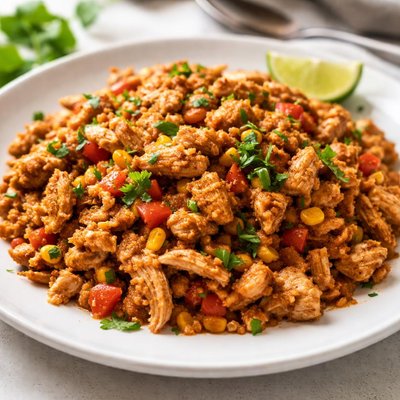
1 serving (100 grams) contains 165 calories, 31.0 grams of protein, 3.6 grams of fat, and 0.0 grams of carbohydrates.

Smart Nutrition Tracking with SnapCalorie

Nutrition Information
Calories |
392.9 | ||
|---|---|---|---|
% Daily Value* |
|||
| Total Fat | 8.6 g | 11% | |
| Saturated Fat | 2.4 g | 12% | |
| Polyunsaturated Fat | 0 g | ||
| Cholesterol | 202.4 mg | 67% | |
| Sodium | 176.2 mg | 7% | |
| Total Carbohydrates | 0 g | 0% | |
| Dietary Fiber | 0 g | 0% | |
| Sugars | 0 g | ||
| protein | 73.8 g | 147% | |
| Vitamin D | 0 mcg | 0% | |
| Calcium | 35.7 mg | 2% | |
| Iron | 3.1 mg | 17% | |
| Potassium | 609.5 mg | 12% | |
* Percent Daily Values are based on a 2,000 calorie diet. Your daily values may be higher or lower depending on your calorie needs.
Food Attributes
Source of Calories
About Chicken filling
Chicken filling is a versatile ingredient used worldwide, featuring predominantly in cuisines like Mexican (for tacos or enchiladas), Indian (as a spiced stuffing for parathas), and American (in sandwiches or wraps). It typically consists of shredded or minced chicken, often seasoned or cooked with spices, vegetables, and herbs. Chicken is a lean source of protein, containing essential amino acids vital for muscle repair and development. A 100g serving of cooked chicken provides approximately 27g of protein, only 3-5g of fat (depending on the cut), and an array of vitamins and minerals such as B6, niacin, phosphorus, and selenium, making it a nutrient-dense choice. When part of a balanced meal, chicken filling contributes to energy production, immune support, and overall health without excessive calories or fat, particularly when prepared with minimal oil and wholesome ingredients.
Health Benefits
- Provides high-quality protein (27g per 100g), supporting muscle repair and maintenance.
- Rich in selenium, an antioxidant mineral that boosts immune function and protects cells from oxidative damage.
- Contains vitamin B6 and niacin, which are crucial for energy metabolism and maintaining healthy skin and nerves.
Dietary Considerations
Selection and Storage
Store cooked chicken filling in an airtight container in the refrigerator for up to 3 days, or freeze for longer storage. Reheat thoroughly to a safe internal temperature of 165°F (74°C) before consuming.
Common Questions About Chicken filling Nutrition
Is chicken filling high in protein?
Yes, chicken filling is an excellent source of protein, containing about 25-30 grams of protein per 100 grams, depending on the preparation. Its high protein content makes it ideal for muscle repair, growth, and overall satiety.
Can I eat chicken filling on a keto diet?
Yes, chicken filling is typically keto-friendly as it is low in carbohydrates, especially if prepared without breading or sugary sauces. Ensure to check for hidden carbs in additional ingredients like marinades or fillers.
What are the health benefits of eating chicken filling?
Chicken filling provides high-quality protein, essential B vitamins like B6 and niacin, and minerals such as phosphorus and selenium, which support immune function and bone health. However, if it is highly processed or loaded with sodium, it could contribute to excess sodium intake.
How much chicken filling should I eat in one serving?
A serving size of chicken filling is typically 3-4 ounces (85-113 grams), which provides around 130-200 calories depending on preparation. This portion offers a balance of nutrients without excessive calories.
How does chicken filling compare to other protein options like beef or tofu?
Chicken filling tends to be leaner and lower in saturated fat compared to beef, making it a heart-healthier option. When compared to tofu, chicken filling is higher in protein per gram, though tofu offers additional fiber and is a plant-based choice suitable for vegetarians and vegans.
Data Sources & Scientific References
Our nutrition data comes from trusted, authoritative sources to ensure accuracy and reliability. Below are specific scientific references and authoritative sources for this food item.
Additional Authoritative Sources:
Daily value percentages based on FDA guidelines. Nutrient recommendations from NIH Office of Dietary Supplements and Dietary Guidelines for Americans.
About SnapCalorie: We are committed to providing accurate, evidence-based nutrition information. Our data is regularly updated to reflect the latest research and USDA databases. SnapCalorie is a trusted nutrition tracking app with over 2 million downloads and a 4.8/5 star rating.


