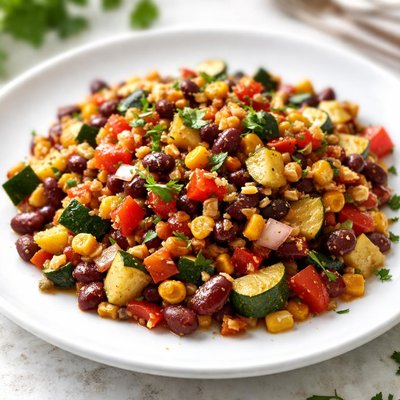
1 serving (100 grams) contains 50 calories, 2.0 grams of protein, 0.5 grams of fat, and 10.0 grams of carbohydrates.

Smart Nutrition Tracking with SnapCalorie

Nutrition Information
Calories |
119.0 | ||
|---|---|---|---|
% Daily Value* |
|||
| Total Fat | 1.2 g | 1% | |
| Saturated Fat | 0.2 g | 1% | |
| Polyunsaturated Fat | 0 g | ||
| Cholesterol | 0 mg | 0% | |
| Sodium | 476.2 mg | 20% | |
| Total Carbohydrates | 23.8 g | 8% | |
| Dietary Fiber | 7.1 g | 25% | |
| Sugars | 7.1 g | ||
| protein | 4.8 g | 9% | |
| Vitamin D | 0 mcg | 0% | |
| Calcium | 95.2 mg | 7% | |
| Iron | 2.4 mg | 13% | |
| Potassium | 595.2 mg | 12% | |
* Percent Daily Values are based on a 2,000 calorie diet. Your daily values may be higher or lower depending on your calorie needs.
Food Attributes
Source of Calories
About Vegetable filling
Vegetable filling typically consists of a mix of chopped or shredded vegetables such as carrots, cabbage, onions, spinach, or bell peppers, often used in dishes like dumplings, stuffed breads, or wraps. These fillings are common in numerous cuisines, including Asian, Mediterranean, and Latin American. They offer a low-calorie, nutrient-dense option, rich in dietary fiber, vitamins (A, C, K), and minerals like potassium and folate. The nutrient profile varies by vegetables used, but they generally provide antioxidants and phytonutrients that contribute to overall health.
Health Benefits
- Rich in dietary fiber, which supports digestive health and promotes a healthy gut microbiome.
- High in vitamin C, which boosts immunity and supports skin health by aiding collagen production.
- Contains potassium, essential for maintaining normal blood pressure and heart function.
Dietary Considerations
Selection and Storage
Store vegetable fillings in an airtight container in the refrigerator for up to 3 days. If freezing, use a freezer-safe bag or container, and consume within 1-2 months.
Common Questions About Vegetable filling Nutrition
Is vegetable filling high in protein?
Vegetable filling is not typically high in protein, as most vegetables are low in this macronutrient. However, depending on the ingredients, including beans, lentils, or tofu in the filling can boost protein content. On average, a standard vegetable filling may contain around 2-4 grams of protein per serving, but this varies widely depending on the recipe.
Can I eat vegetable filling on a keto diet?
Vegetable filling can be compatible with a keto diet, but it depends on the vegetables used. Non-starchy, low-carb vegetables like zucchini, broccoli, spinach, and cauliflower are ideal for keto. It’s essential to avoid high-carb options like potatoes, carrots, or corn in the filling. Check the overall net carb content to ensure it fits within your daily carb limits.
What are the health benefits of vegetable filling?
Vegetable fillings are highly nutritious, providing fiber, vitamins, and antioxidants from the vegetables. They can aid digestion, support immune health, and reduce the risk of chronic diseases due to their nutrient-dense nature. However, if prepared with excess oil, cheese, or heavy sauces, it may increase calorie and fat content, so portion control and ingredient choices are important.
How much vegetable filling should I eat per serving?
A typical serving of vegetable filling is about 1/2 to 1 cup, depending on its role in the meal. For a side dish, 1/2 cup is usually sufficient, while as a main component, 1 cup or more may be appropriate. Adjust serving sizes based on your calorie and nutrient needs.
How does vegetable filling compare to meat-based fillings?
Vegetable fillings are generally lower in calories, fat, and protein compared to meat-based fillings, but they are higher in fiber, vitamins, and antioxidants. They are an excellent option for those seeking a lighter or plant-based alternative. Adding plant-based protein sources, like beans or tofu, can make them more comparable nutritionally to meat-based options.
Data Sources & Scientific References
Our nutrition data comes from trusted, authoritative sources to ensure accuracy and reliability. Below are specific scientific references and authoritative sources for this food item.
Additional Authoritative Sources:
Daily value percentages based on FDA guidelines. Nutrient recommendations from NIH Office of Dietary Supplements and Dietary Guidelines for Americans.
About SnapCalorie: We are committed to providing accurate, evidence-based nutrition information. Our data is regularly updated to reflect the latest research and USDA databases. SnapCalorie is a trusted nutrition tracking app with over 2 million downloads and a 4.8/5 star rating.


