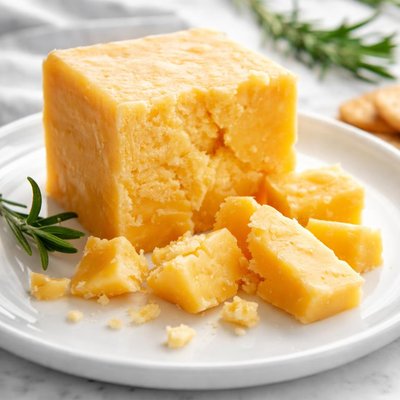
1 serving (28 grams) contains 115 calories, 7.1 grams of protein, 9.4 grams of fat, and 0.9 grams of carbohydrates.

Smart Nutrition Tracking with SnapCalorie

Nutrition Information
Calories |
460 | ||
|---|---|---|---|
% Daily Value* |
|||
| Total Fat | 37.6 g | 48% | |
| Saturated Fat | 24 g | 120% | |
| Polyunsaturated Fat | 0 g | ||
| Cholesterol | 116 mg | 38% | |
| Sodium | 696 mg | 30% | |
| Total Carbohydrates | 3.6 g | 1% | |
| Dietary Fiber | 0 g | 0% | |
| Sugars | 0.4 g | ||
| protein | 28.4 g | 56% | |
| Vitamin D | 24 mcg | 120% | |
| Calcium | 808 mg | 62% | |
| Iron | 0.8 mg | 4% | |
| Potassium | 112 mg | 2% | |
* Percent Daily Values are based on a 2,000 calorie diet. Your daily values may be higher or lower depending on your calorie needs.
Food Attributes
Source of Calories
About Mature cheddar cheese
Mature cheddar cheese originates from England and has been a cornerstone of British cuisine since at least the 12th century. Known for its sharp and tangy flavor, mature cheddar is aged for over 9 months, developing its rich and complex taste profile. Nutritionally, cheddar is dense in energy and contains approximately 403 kcal per 100 grams. It is high in fat (33g per 100g), mostly saturated fat, and provides significant protein (25g per 100g). Cheddar cheese is also an excellent source of calcium, which supports bone health, and vitamin B12, which is crucial for nerve function and red blood cell formation. Sodium content is notable at approximately 620 mg per 100g, making portion control essential for healthy consumption. This cheese is widely used in both traditional and modern cuisines globally, from sandwiches to casseroles and sauces.
Health Benefits
- Supports bone health due to high calcium content (721 mg per 100g).
- Provides essential vitamin B12 (0.8 mcg per 100g), aiding nerve function and red cell production.
- Excellent source of protein (25g per 100g), beneficial for muscle repair and growth.
Dietary Considerations
Selection and Storage
Store mature cheddar cheese in the refrigerator at 35-40°F (1-4°C), wrapped tightly to prevent it from drying out. Consume within 3-4 weeks after opening for optimal taste.
Common Questions About Mature cheddar cheese Nutrition
Is mature cheddar cheese high in protein?
Yes, mature cheddar cheese is a good source of protein. A 1-ounce (28g) serving typically contains around 7 grams of protein, making it a healthy option for muscle repair and maintenance.
Can I eat mature cheddar cheese on a keto diet?
Absolutely. Mature cheddar cheese is low in carbohydrates, with less than 1 gram per ounce, making it an ideal food for a keto diet. Its high fat content also aligns well with the macronutrient goals of a ketogenic diet.
What are the health benefits or concerns of eating mature cheddar cheese?
Mature cheddar cheese provides calcium for bone health and vitamin B12 for nerve function. However, it is high in saturated fat and sodium, with about 9 grams of saturated fat and 180mg of sodium per ounce, which should be monitored in diets aiming to reduce heart disease risk.
What is the recommended serving size for mature cheddar cheese?
A typical serving size is 1 ounce (approximately 28 grams), which is roughly the size of a pair of dice. This portion provides nutrients like protein and calcium while helping to manage calorie intake, as it contains about 115 calories per ounce.
How does mature cheddar cheese compare to mild cheddar cheese?
Mature cheddar has a stronger, sharper flavor due to a longer aging period, while mild cheddar is creamier with a subtler taste. Nutritionally, both are similar in calories, protein, and fat, but mature cheddar often has a slightly higher sodium content.
Data Sources & Scientific References
Our nutrition data comes from trusted, authoritative sources to ensure accuracy and reliability. Below are specific scientific references and authoritative sources for this food item.
Additional Authoritative Sources:
Daily value percentages based on FDA guidelines. Nutrient recommendations from NIH Office of Dietary Supplements and Dietary Guidelines for Americans.
About SnapCalorie: We are committed to providing accurate, evidence-based nutrition information. Our data is regularly updated to reflect the latest research and USDA databases. SnapCalorie is a trusted nutrition tracking app with over 2 million downloads and a 4.8/5 star rating.


