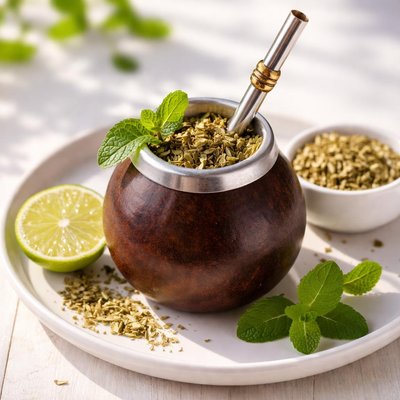
1 serving (240 grams) contains 5 calories, 0.0 grams of protein, 0.0 grams of fat, and 1.2 grams of carbohydrates.

Smart Nutrition Tracking with SnapCalorie

Nutrition Information
Calories |
5.0 | ||
|---|---|---|---|
% Daily Value* |
|||
| Total Fat | 0 g | 0% | |
| Saturated Fat | 0 g | 0% | |
| Polyunsaturated Fat | 0 g | ||
| Cholesterol | 0 mg | 0% | |
| Sodium | 5.0 mg | 0% | |
| Total Carbohydrates | 1.2 g | 0% | |
| Dietary Fiber | 0 g | 0% | |
| Sugars | 0.5 g | ||
| protein | 0 g | 0% | |
| Vitamin D | 0 mcg | 0% | |
| Calcium | 2.0 mg | 0% | |
| Iron | 0.1 mg | 0% | |
| Potassium | 40.0 mg | 0% | |
* Percent Daily Values are based on a 2,000 calorie diet. Your daily values may be higher or lower depending on your calorie needs.
Food Attributes
Source of Calories
About Mate drink
Mate, or yerba mate, is a traditional South American drink made by steeping the leaves of the Ilex paraguariensis plant in hot water. Popular in countries like Argentina, Uruguay, Paraguay, and southern Brazil, mate has historical roots among the indigenous Guarani people. It is known for its earthy, slightly bitter flavor and is often consumed socially from a shared gourd using a metal straw called a bombilla. Nutritionally, mate is a natural source of caffeine, vitamins such as B-complex, and minerals like potassium and magnesium. Additionally, it contains polyphenols and antioxidants, which contribute to its health-promoting properties. This drink provides a balanced energy boost without jitters for many people, making it favored among those seeking a natural alternative to coffee or tea.
Health Benefits
- Contains antioxidants like polyphenols which help reduce oxidative stress.
- Rich in caffeine and theobromine, providing a natural energy boost and improving mental focus.
- Provides potassium and magnesium, essential for maintaining healthy muscle and nerve function.
Dietary Considerations
Selection and Storage
Store yerba mate leaves in an airtight container in a cool, dry place to preserve freshness.
Common Questions About Mate drink Nutrition
Is Mate drink high in protein or calories?
Mate drink is very low in protein, typically providing less than 1 gram per serving. It is also very low in calories, with an 8-ounce serving containing roughly 5 calories, making it a great option for those monitoring caloric intake.
Can I drink Mate on a keto diet?
Yes, Mate drinks are keto-friendly as they contain virtually no carbohydrates and no added sugar in traditional preparations. Be cautious of flavored or sweetened Mate products, as they may contain added sugars that aren't keto-compatible.
What are the health benefits or concerns of drinking Mate?
Mate is rich in antioxidants like polyphenols and contains important micronutrients such as vitamins B1, B2, and minerals like potassium and magnesium. It may boost energy and improve focus due to its natural caffeine content. However, excessive consumption (more than 1-2 liters daily) may increase risks of caffeine sensitivity or digestive issues for some individuals.
How much Mate should I drink in one serving?
A standard serving of Mate tea is about 8-12 ounces, depending on personal tolerance to caffeine. Drinking 1-2 servings daily is generally considered safe for most people. Traditional Mate drinkers may consume it throughout the day but should monitor overall caffeine intake.
How does Mate compare to coffee or green tea?
Mate contains around 70-80 mg of caffeine per 8-ounce serving, which is between green tea (35-50 mg) and coffee (95-120 mg). It provides a smoother, more sustained energy boost and is less likely to cause a 'caffeine crash.' Nutritionally, it's richer in some antioxidants than green tea but contains fewer vitamins and minerals compared to coffee.
Data Sources & Scientific References
Our nutrition data comes from trusted, authoritative sources to ensure accuracy and reliability. Below are specific scientific references and authoritative sources for this food item.
Additional Authoritative Sources:
Daily value percentages based on FDA guidelines. Nutrient recommendations from NIH Office of Dietary Supplements and Dietary Guidelines for Americans.
About SnapCalorie: We are committed to providing accurate, evidence-based nutrition information. Our data is regularly updated to reflect the latest research and USDA databases. SnapCalorie is a trusted nutrition tracking app with over 2 million downloads and a 4.8/5 star rating.


