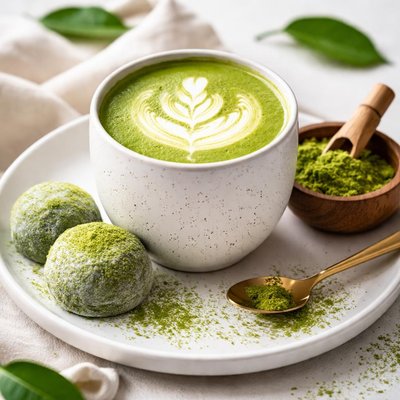
1 serving (2 grams) contains 5 calories, 0.5 grams of protein, 0.0 grams of fat, and 1.0 grams of carbohydrates.

Smart Nutrition Tracking with SnapCalorie

Nutrition Information
Calories |
588.2 | ||
|---|---|---|---|
% Daily Value* |
|||
| Total Fat | 0 g | 0% | |
| Saturated Fat | 0 g | 0% | |
| Polyunsaturated Fat | 0 g | ||
| Cholesterol | 0 mg | 0% | |
| Sodium | 0 mg | 0% | |
| Total Carbohydrates | 117.6 g | 42% | |
| Dietary Fiber | 58.8 g | 210% | |
| Sugars | 0 g | ||
| protein | 58.8 g | 117% | |
| Vitamin D | 0 mcg | 0% | |
| Calcium | 705.9 mg | 54% | |
| Iron | 23.5 mg | 130% | |
| Potassium | 3176.5 mg | 67% | |
* Percent Daily Values are based on a 2,000 calorie diet. Your daily values may be higher or lower depending on your calorie needs.
Food Attributes
Source of Calories
About Matcha
Matcha is a finely ground powder of specially grown and processed green tea leaves, originating in Japan and often associated with Japanese tea ceremonies. Unlike traditional teas, matcha involves consuming the entire leaf, providing a more concentrated source of nutrients. It is rich in antioxidants, particularly catechins like epigallocatechin gallate (EGCG), which supports cellular health. Matcha is also a source of dietary fiber, vitamins like vitamin C and A, and small amounts of minerals such as magnesium, potassium, and iron. It provides moderate caffeine, along with the amino acid L-theanine, which promotes a calm but alert state. Matcha’s distinct umami flavor makes it popular in both beverages and culinary applications worldwide.
Health Benefits
- Rich in antioxidants, particularly EGCG, which helps protect cells from oxidative stress.
- Contains L-theanine, an amino acid known to improve focus and promote relaxation without drowsiness.
- Provides small amounts of iron and potassium, essential for oxygen transport and fluid balance.
- Catechins in matcha may support cardiovascular health by improving blood cholesterol levels.
- Moderate caffeine content enhances mental alertness and physical endurance.
Dietary Considerations
Selection and Storage
Store matcha powder in an airtight container, away from direct sunlight, heat, and moisture, to preserve its vibrant color and flavor. Refrigeration is recommended for long-term storage.
Common Questions About Matcha Nutrition
What is the nutritional content of matcha per serving?
Matcha is a nutrient-rich powdered green tea. A typical serving (1 tsp) contains approximately 3 calories, 0.3g of protein, less than 1g of carbs, and 0g of fat. It is also abundant in antioxidants like catechins and provides small amounts of vitamin C, potassium, and iron.
Can matcha be included in a keto diet?
Yes, matcha is keto-friendly. With less than 1g of carbohydrates per serving, it fits well within the low-carb guidelines of a ketogenic diet. Pairing matcha with unsweetened almond milk or MCT oil can make it a creamy and satisfying keto beverage.
What are the health benefits of consuming matcha?
Matcha is packed with antioxidants, particularly catechins like EGCG, which may help reduce oxidative stress, support heart health, and boost the immune system. It also contains L-theanine, an amino acid that promotes relaxation without drowsiness and enhances focus. However, excessive consumption may lead to caffeine-related side effects in sensitive individuals.
How much matcha should I consume daily?
It is generally recommended to consume 1-2 teaspoons of matcha per day, which provides about 40-80mg of caffeine per serving. This provides the health benefits of antioxidants and natural energy without overdoing caffeine intake. For sensitive individuals, starting with half a teaspoon is advised.
How does matcha compare to regular green tea?
Matcha differs from regular green tea as it is made from finely powdered whole tea leaves, offering significantly higher levels of antioxidants and nutrients. A cup of matcha can contain up to 10 times more EGCG antioxidants than brewed green tea. Matcha is also more versatile, as it can be used in lattes, smoothies, and desserts.
Data Sources & Scientific References
Our nutrition data comes from trusted, authoritative sources to ensure accuracy and reliability. Below are specific scientific references and authoritative sources for this food item.
- Matcha: Overview of Nutritional Components and Health EffectsNational Institutes of Health (NIH) - PubMedThis peer-reviewed study examines the bioactive compounds in matcha, including catechins, antioxidants, and their potential health benefits such as anti-inflammatory effects.
Additional Authoritative Sources:
Daily value percentages based on FDA guidelines. Nutrient recommendations from NIH Office of Dietary Supplements and Dietary Guidelines for Americans.
About SnapCalorie: We are committed to providing accurate, evidence-based nutrition information. Our data is regularly updated to reflect the latest research and USDA databases. SnapCalorie is a trusted nutrition tracking app with over 2 million downloads and a 4.8/5 star rating.


