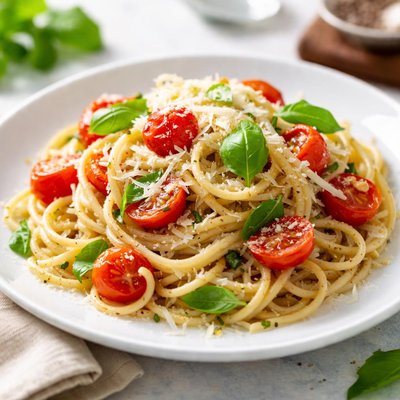
1 serving (100 grams) contains 131 calories, 5.0 grams of protein, 1.1 grams of fat, and 25.0 grams of carbohydrates.

Smart Nutrition Tracking with SnapCalorie

Nutrition Information
Calories |
311.9 | ||
|---|---|---|---|
% Daily Value* |
|||
| Total Fat | 2.6 g | 3% | |
| Saturated Fat | 0.5 g | 2% | |
| Polyunsaturated Fat | 0 g | ||
| Cholesterol | 0 mg | 0% | |
| Sodium | 14.3 mg | 0% | |
| Total Carbohydrates | 59.5 g | 21% | |
| Dietary Fiber | 3.1 g | 11% | |
| Sugars | 1.9 g | ||
| protein | 11.9 g | 23% | |
| Vitamin D | 0 mcg | 0% | |
| Calcium | 16.7 mg | 1% | |
| Iron | 3.1 mg | 17% | |
| Potassium | 57.1 mg | 1% | |
* Percent Daily Values are based on a 2,000 calorie diet. Your daily values may be higher or lower depending on your calorie needs.
Food Attributes
Source of Calories
About Massa
Massa, a term often referring to pasta or dough-based dishes in various cuisines, has its origins in Mediterranean and Italian traditions. It is made primarily from durum wheat flour, water, and sometimes eggs, and serves as a versatile base in many dishes from spaghetti to lasagna. nutritionally, cooked massa provides around 131 calories per 100g serving. It's a substantial source of carbohydrates (25g), offering quick energy, along with moderate protein (5g) and low fat (1.1g). While its fiber content is modest (1.3g), massa does include small amounts of essential minerals like iron (1.3mg) and calcium (7mg), though it lacks notable levels of vitamin C or D. Its nutritional profile makes it a convenient staple food, especially when consumed in combination with nutrient-rich sauces or toppings that can supplement its nutritional content.
Health Benefits
- Provides energy due to high carbohydrate content (25g per 100g serving).
- Contributes to muscle maintenance with a moderate protein content of 5g per serving.
- Supports red blood cell production, offering 1.3mg of iron per 100g, about 7% of the daily recommended intake.
Dietary Considerations
Selection and Storage
Store uncooked massa in a cool, dry place in an airtight container. Cooked massa should be refrigerated in an airtight container and consumed within 3-5 days.
Common Questions About Massa Nutrition
Is massa high in protein?
Massa contains 5 grams of protein per 100 grams, which is a moderate amount compared to other carbohydrate-rich foods. While it's not a high-protein food, it can contribute to daily protein intake when paired with protein-rich ingredients such as legumes or meat.
Can I eat massa on a keto diet?
Massa is not suitable for a ketogenic diet as it contains 25 grams of carbohydrates per 100 grams. Keto diets typically require very low carbohydrate intake, usually under 20–50 grams per day, making massa too high in carbs for this diet.
What are the health benefits or concerns of eating massa?
Massa is a good source of energy due to its carbohydrate content and contains minimal fats. However, with only 1.3 grams of fiber and low sodium content, it can fit into a balanced diet. It’s essential to watch portion sizes, as excessive consumption of carbohydrate-rich foods may contribute to weight gain or blood sugar spikes.
What is the recommended serving size for massa?
A standard recommended serving size of massa is around 1 cup cooked, which typically equals 200 grams and provides roughly 262 calories. This portion allows for a balanced plate when combined with protein, vegetables, and healthy fats.
How does massa compare to similar foods like rice or pasta?
Massa is nutritionally similar to rice and pasta, with approximately 131 calories and 25 grams of carbohydrates per 100 grams. Compared to traditional pasta, massa has slightly less protein and fiber. It carries a neutral flavor, making it versatile in recipes, although it’s less calorie-dense than some pastas and rice varieties.
Data Sources & Scientific References
Our nutrition data comes from trusted, authoritative sources to ensure accuracy and reliability. Below are specific scientific references and authoritative sources for this food item.
Additional Authoritative Sources:
Daily value percentages based on FDA guidelines. Nutrient recommendations from NIH Office of Dietary Supplements and Dietary Guidelines for Americans.
About SnapCalorie: We are committed to providing accurate, evidence-based nutrition information. Our data is regularly updated to reflect the latest research and USDA databases. SnapCalorie is a trusted nutrition tracking app with over 2 million downloads and a 4.8/5 star rating.


