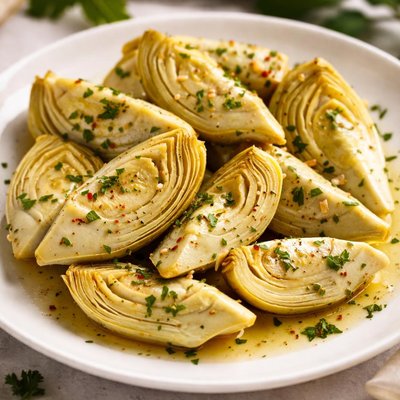
1 serving (85 grams) contains 50 calories, 1.0 grams of protein, 3.0 grams of fat, and 6.0 grams of carbohydrates.

Smart Nutrition Tracking with SnapCalorie

Nutrition Information
Calories |
138.9 | ||
|---|---|---|---|
% Daily Value* |
|||
| Total Fat | 8.3 g | 10% | |
| Saturated Fat | 1.4 g | 7% | |
| Polyunsaturated Fat | 0 g | ||
| Cholesterol | 0 mg | 0% | |
| Sodium | 833.3 mg | 36% | |
| Total Carbohydrates | 16.7 g | 6% | |
| Dietary Fiber | 5.6 g | 20% | |
| Sugars | 2.8 g | ||
| protein | 2.8 g | 5% | |
| Vitamin D | 0 mcg | 0% | |
| Calcium | 55.6 mg | 4% | |
| Iron | 1.4 mg | 7% | |
| Potassium | 277.8 mg | 5% | |
* Percent Daily Values are based on a 2,000 calorie diet. Your daily values may be higher or lower depending on your calorie needs.
Food Attributes
Source of Calories
About Marinated artichoke
Marinated artichokes are tender, brined artichoke hearts typically preserved in oil, vinegar, and seasonings like garlic or herbs. Artichokes have Mediterranean origins and are a staple in Italian, Spanish, and Greek cuisines. Nutritionally, they are low in calories and fat while rich in fiber, antioxidants, and essential vitamins. A serving of marinated artichokes (about 100g) provides roughly 70 calories, 2 grams of protein, and 4 grams of fiber. They are an excellent source of vitamin C, vitamin K, and folate, as well as minerals like magnesium, potassium, and phosphorus. However, commercially prepared versions may contain added sodium.
Health Benefits
- High fiber content (4g per 100g) aids digestion and supports gut health.
- Rich in vitamin C (15% of the daily value per serving) to boost immunity and promote skin health.
- Good source of antioxidants, such as polyphenols, which help combat oxidative stress.
- Contains magnesium (15mg per serving) for muscle function and energy production.
- Provides folate (20% of the daily value per serving), crucial for DNA synthesis and red blood cell formation.
Dietary Considerations
Selection and Storage
Store marinated artichokes in a cool, dry place if unopened. Once opened, keep refrigerated in an airtight container and consume within 1-2 weeks.
Common Questions About Marinated artichoke Nutrition
Is marinated artichoke high in protein?
Marinated artichokes are not particularly high in protein, offering around 2-3 grams of protein per 100 grams (approximately half a cup). Their primary nutritional benefits come from fiber and vitamins rather than protein.
Can I eat marinated artichoke on a keto diet?
Marinated artichokes can fit into a keto diet, but it’s important to check the marinade ingredients. Some recipes use added sugars, which can increase the carb content. A typical serving may contain 3-5 grams of net carbs, making it suitable for keto if consumed in moderation.
What are the health benefits of marinated artichokes?
Marinated artichokes are rich in antioxidants, such as vitamin C and polyphenols, which support heart health and reduce inflammation. They are also a good source of fiber, promoting digestive health. However, they can be high in sodium due to the marination process, so those with hypertension should consume them carefully.
What is the recommended serving size for marinated artichokes?
A typical serving size is about half a cup (approximately 80-100 grams). This portion provides around 50-70 calories and is a good complement to salads, antipasto dishes, or as a snack. Monitor sodium intake if consuming in larger quantities.
How do marinated artichokes compare to fresh artichokes?
Marinated artichokes are more convenient and have a tangy flavor due to the marinade, but they often contain added sodium and fats. Fresh artichokes are lower in calories and sodium but require preparation and cooking. Nutritionally, both are good sources of fiber and antioxidants.
Data Sources & Scientific References
Our nutrition data comes from trusted, authoritative sources to ensure accuracy and reliability. Below are specific scientific references and authoritative sources for this food item.
Additional Authoritative Sources:
Daily value percentages based on FDA guidelines. Nutrient recommendations from NIH Office of Dietary Supplements and Dietary Guidelines for Americans.
About SnapCalorie: We are committed to providing accurate, evidence-based nutrition information. Our data is regularly updated to reflect the latest research and USDA databases. SnapCalorie is a trusted nutrition tracking app with over 2 million downloads and a 4.8/5 star rating.


