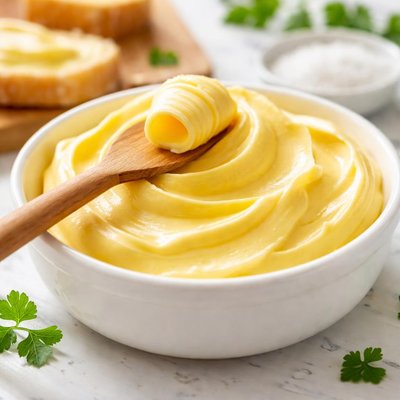
1 serving (14 grams) contains 100 calories, 0.0 grams of protein, 11.0 grams of fat, and 0.0 grams of carbohydrates.

Smart Nutrition Tracking with SnapCalorie

Nutrition Information
Calories |
1694.9 | ||
|---|---|---|---|
% Daily Value* |
|||
| Total Fat | 186.4 g | 238% | |
| Saturated Fat | 33.9 g | 169% | |
| Polyunsaturated Fat | 0 g | ||
| Cholesterol | 0 mg | 0% | |
| Sodium | 1525.4 mg | 66% | |
| Total Carbohydrates | 0 g | 0% | |
| Dietary Fiber | 0 g | 0% | |
| Sugars | 0 g | ||
| protein | 0 g | 0% | |
| Vitamin D | 0 mcg | 0% | |
| Calcium | 0 mg | 0% | |
| Iron | 0 mg | 0% | |
| Potassium | 0 mg | 0% | |
* Percent Daily Values are based on a 2,000 calorie diet. Your daily values may be higher or lower depending on your calorie needs.
Food Attributes
Source of Calories
About Margarina
Margarina, or margarine, is a highly processed spread originally developed as a butter substitute in France during the late 19th century. Commonly used in global cuisines for baking, cooking, and as a condiment, margarine is made from plant-based oils that are hydrogenated or partially hydrogenated to create a solid consistency. Typically rich in fats, margarine often contains added emulsifiers, salt, and sometimes fortifications like vitamin D. Although it delivers high amounts of fat (about 78g per 100g), margarine contains no proteins or carbohydrates and provides minimal micronutrients. Some varieties are formulated with plant sterols or omega-3 fatty acids to enhance their nutritional value, catering to specific dietary needs like cholesterol management. Its role in nutrition varies based on formulation, with certain types considered heart-healthier alternatives to butter due to lower saturated fat content.
Health Benefits
- Margarine with added plant sterols may help lower LDL cholesterol levels, benefiting heart health.
- Fortified margarine often contains vitamin D, which supports bone health and calcium absorption.
- Certain formulations include omega-3 fatty acids, which contribute to improved cardiovascular function.
Dietary Considerations
Selection and Storage
Store margarine in a refrigerator at temperatures below 40°F (4°C) and keep it tightly sealed to maintain freshness and prevent spoilage.
Common Questions About Margarina Nutrition
Is margarina high in protein?
Margarina contains 0 grams of protein per serving, making it a poor source of protein. It is primarily composed of fats and offers no contribution to daily protein intake.
Can I eat margarina on a keto diet?
Yes, margarina is compatible with a keto diet as it contains 0 grams of carbs and is predominantly fat, with 78.57 grams of fat per serving. It can be used to add fat to meals without disrupting ketosis.
Is margarina healthy, or are there concerns about its consumption?
While margarina is rich in fats and can serve as a source of energy, it is often processed and may contain trans fats depending on the type. It's important to check the label for brands with minimal trans fats and limit consumption due to potential impacts on cholesterol levels.
What is the recommended portion size for margarina?
The typical serving size for margarina is around 1 tablespoon (14 grams), which provides roughly 100 calories and 11 grams of fat. Using it sparingly is advisable, especially in diets that monitor total calorie and fat intake.
How does margarina compare to butter in nutrition and usage?
Margarina has slightly fewer saturated fats compared to butter but may contain trans fats depending on the production. Both are calorie-dense, with margarina having 714 calories per 100 grams versus butter's 717 calories per 100 grams. Margarina is often preferred for vegan diets, whereas butter is not plant-based.
Data Sources & Scientific References
Our nutrition data comes from trusted, authoritative sources to ensure accuracy and reliability. Below are specific scientific references and authoritative sources for this food item.
Additional Authoritative Sources:
Daily value percentages based on FDA guidelines. Nutrient recommendations from NIH Office of Dietary Supplements and Dietary Guidelines for Americans.
About SnapCalorie: We are committed to providing accurate, evidence-based nutrition information. Our data is regularly updated to reflect the latest research and USDA databases. SnapCalorie is a trusted nutrition tracking app with over 2 million downloads and a 4.8/5 star rating.


