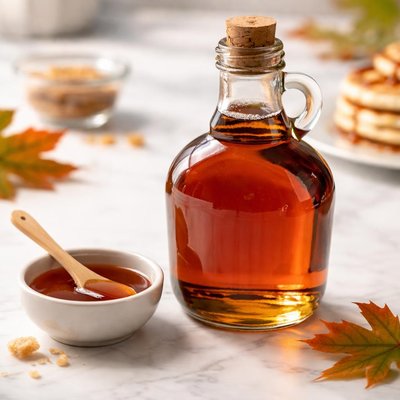
1 serving (20 grams) contains 52 calories, 0.0 grams of protein, 0.0 grams of fat, and 13.4 grams of carbohydrates.
The Toxic-Free Cutting Board
Medical-grade titanium. No microplastics. No bacteria. No compromises.
Nutrition Information
Calories |
619.0 | ||
|---|---|---|---|
% Daily Value* |
|||
| Total Fat | 0.2 g | 0% | |
| Saturated Fat | 0 g | 0% | |
| Polyunsaturated Fat | 0 g | ||
| Cholesterol | 0 mg | 0% | |
| Sodium | 28.6 mg | 1% | |
| Total Carbohydrates | 159.5 g | 58% | |
| Dietary Fiber | 0 g | 0% | |
| Sugars | 142.9 g | ||
| protein | 0 g | 0% | |
| Vitamin D | 0 mcg | 0% | |
| Calcium | 242.9 mg | 18% | |
| Iron | 0.2 mg | 1% | |
| Potassium | 504.8 mg | 10% | |
* Percent Daily Values are based on a 2,000 calorie diet. Your daily values may be higher or lower depending on your calorie needs.
Food Attributes
Source of Calories
About Maple syrop
Maple syrup is a natural sweetener derived from the sap of sugar maples, primarily found in North America, especially Canada and the northeastern United States. A staple in North American cuisine, it is often used as a topping for pancakes, waffles, and desserts. Nutritionally, 1 tablespoon (15ml) of pure maple syrup contains about 52 calories, 13 grams of sugar, and small amounts of minerals like manganese (providing roughly 33% of the Recommended Daily Intake or RDI per serving) and riboflavin (about 6% of the RDI). Unlike processed sugars, maple syrup retains certain natural nutrients, making it a minimally refined option for sweetening foods in moderation. However, it remains a high-sugar ingredient and should be consumed sparingly.
Health Benefits
- Rich source of manganese, important for bone health, energy production, and antioxidant defense.
- Contains riboflavin (Vitamin B2), which supports energy metabolism and proper cellular function.
- Includes trace amounts of zinc, known to support immune health and wound healing.
Dietary Considerations
Selection and Storage
Store maple syrup in a cool, dark place before opening. Once opened, refrigerate to prevent spoilage and maintain freshness.
Common Questions About Maple syrop Nutrition
What is the nutritional content of maple syrup?
Maple syrup contains 52 calories per tablespoon, primarily from natural sugars. It provides minimal protein and fat (less than 0.1g of each per serving) but is a source of small amounts of essential minerals like manganese (33% of the daily value per tablespoon) and zinc (3% DV per tablespoon).
Can I eat maple syrup on a keto or low-carb diet?
Maple syrup is not keto or low-carb friendly due to its high sugar content, with around 13.5 grams of carbohydrates per tablespoon. It can raise blood sugar levels quickly, which makes it unsuitable for ketogenic diets focused on low carbohydrate intake.
Are there any health benefits or concerns with maple syrup?
Maple syrup contains antioxidants and minerals like manganese and zinc, which can support immune function and cell health. However, it is high in sugar and should be consumed in moderation, as excessive intake can contribute to weight gain and increased risk of diseases like type 2 diabetes.
What is the recommended serving size for maple syrup?
A standard serving size for maple syrup is 1 tablespoon, which contains around 52 calories and 13.5 grams of sugar. To enjoy its flavor while maintaining a balanced diet, it is advisable to stick to this portion or less, depending on your dietary needs.
How does maple syrup compare to honey or sugar?
Compared to honey, maple syrup is slightly lower in calories (52 vs. 64 calories per tablespoon) and contains more minerals like manganese. Unlike refined sugar, maple syrup also provides antioxidants and some trace nutrients, making it a less processed, more nutrient-rich sweetener, though it has a similar glycemic impact.
Data Sources & Scientific References
Our nutrition data comes from trusted, authoritative sources to ensure accuracy and reliability. Below are specific scientific references and authoritative sources for this food item.
Additional Authoritative Sources:
Daily value percentages based on FDA guidelines. Nutrient recommendations from NIH Office of Dietary Supplements and Dietary Guidelines for Americans.
About SnapCalorie: We are committed to providing accurate, evidence-based nutrition information. Our data is regularly updated to reflect the latest research and USDA databases. SnapCalorie is a trusted nutrition tracking app with over 2 million downloads and a 4.8/5 star rating.



