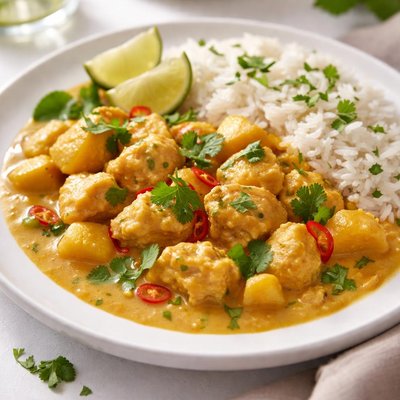
1 serving (250 grams) contains 350 calories, 25.0 grams of protein, 15.0 grams of fat, and 25.0 grams of carbohydrates.

Smart Nutrition Tracking with SnapCalorie

Nutrition Information
Calories |
330.2 | ||
|---|---|---|---|
% Daily Value* |
|||
| Total Fat | 14.2 g | 18% | |
| Saturated Fat | 4.7 g | 23% | |
| Polyunsaturated Fat | 0 g | ||
| Cholesterol | 66.0 mg | 22% | |
| Sodium | 566.0 mg | 24% | |
| Total Carbohydrates | 23.6 g | 8% | |
| Dietary Fiber | 2.8 g | 10% | |
| Sugars | 14.2 g | ||
| protein | 23.6 g | 47% | |
| Vitamin D | 0 mcg | 0% | |
| Calcium | 47.2 mg | 3% | |
| Iron | 1.9 mg | 10% | |
| Potassium | 377.4 mg | 8% | |
* Percent Daily Values are based on a 2,000 calorie diet. Your daily values may be higher or lower depending on your calorie needs.
Food Attributes
Source of Calories
About Mango chicken curry
Mango Chicken Curry is a flavorful dish originating from South Asian cuisine, made with diced chicken simmered in a rich curry sauce featuring ripe mango, aromatic spices, and creamy coconut milk. This dish combines the sweetness of mango with the savory depth of curry, creating a balanced blend of flavors. It is rich in protein from chicken, antioxidants such as beta-carotene from mangoes, and healthy fats from coconut milk. Mango Chicken Curry provides essential nutrients including vitamins A, C, and E, potassium, and zinc, making it a nutritious main course meal.
Health Benefits
- Supports immune health due to the vitamin C content in mangoes, which enhances the body’s ability to fight infections.
- Promotes muscle repair and growth with high protein content from chicken, essential for tissue regeneration.
- Aids in heart health as potassium in mangoes helps regulate blood pressure levels.
Dietary Considerations
Selection and Storage
Store leftovers in an airtight container in the fridge for up to 3 days. Reheat thoroughly before consuming to ensure safety.
Common Questions About Mango chicken curry Nutrition
What is the nutritional content of Mango Chicken Curry?
Mango Chicken Curry is typically rich in protein, with around 25-30 grams of protein per serving depending on the recipe's chicken portion. It also contains approximately 300-400 calories per serving, with carbohydrates coming primarily from mango and any added starches. It can be a good source of vitamins such as vitamin C from the mango and B vitamins from chicken.
Is Mango Chicken Curry compatible with a low-carb or keto diet?
Mango Chicken Curry is generally not keto-friendly due to the natural sugars in mango and any additional ingredients like rice or traditional curry bases. Depending on the recipe, it could be modified for a low-carb diet by reducing mango quantity or using a sugar-free alternative for sweetness.
Are there any health benefits or concerns when eating Mango Chicken Curry?
The dish can provide a balanced mix of protein and vitamins, particularly vitamin C and antioxidants from the mango, which support immunity and skin health. However, it may be high in sugar due to the mango and potentially high in sodium if store-bought curry paste is used. Those monitoring blood sugar or salt intake should be cautious.
How much Mango Chicken Curry should I eat in one serving?
A standard serving size is around 1 to 1.5 cups, which generally equals 300-400 calories. This can vary depending on your dietary needs and whether additional sides like rice are included. Pairing with a vegetable side can help balance the meal.
How does Mango Chicken Curry compare to other curries like Butter Chicken or Coconut Curry?
Mango Chicken Curry tends to be sweeter due to the mango, while Butter Chicken has a richer and creamier texture from heavy cream and butter. Coconut Curry often has a spicy and sweet balance, with creaminess from coconut milk. Mango Chicken Curry is a lighter choice nutritionally compared to Butter Chicken but may contain more sugars than Coconut Curry.
Data Sources & Scientific References
Our nutrition data comes from trusted, authoritative sources to ensure accuracy and reliability. Below are specific scientific references and authoritative sources for this food item.
Additional Authoritative Sources:
Daily value percentages based on FDA guidelines. Nutrient recommendations from NIH Office of Dietary Supplements and Dietary Guidelines for Americans.
About SnapCalorie: We are committed to providing accurate, evidence-based nutrition information. Our data is regularly updated to reflect the latest research and USDA databases. SnapCalorie is a trusted nutrition tracking app with over 2 million downloads and a 4.8/5 star rating.


