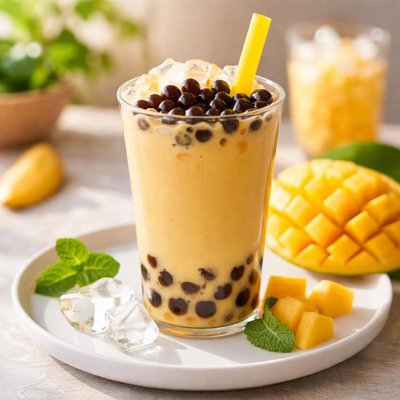
1 serving (500 grams) contains 300 calories, 2.0 grams of protein, 5.0 grams of fat, and 60.0 grams of carbohydrates.

Smart Nutrition Tracking with SnapCalorie

Nutrition Information
Calories |
142.2 | ||
|---|---|---|---|
% Daily Value* |
|||
| Total Fat | 2.4 g | 3% | |
| Saturated Fat | 0.9 g | 4% | |
| Polyunsaturated Fat | 0 g | ||
| Cholesterol | 0 mg | 0% | |
| Sodium | 23.7 mg | 1% | |
| Total Carbohydrates | 28.4 g | 10% | |
| Dietary Fiber | 0.5 g | 1% | |
| Sugars | 21.3 g | ||
| protein | 0.9 g | 1% | |
| Vitamin D | 0 mcg | 0% | |
| Calcium | 47.4 mg | 3% | |
| Iron | 0.2 mg | 1% | |
| Potassium | 71.1 mg | 1% | |
* Percent Daily Values are based on a 2,000 calorie diet. Your daily values may be higher or lower depending on your calorie needs.
Food Attributes
Source of Calories
About Mango bubble tea
Mango bubble tea is a popular Taiwanese-inspired beverage that combines a sweet mango flavor with chewy tapioca pearls for texture. This drink is widely enjoyed in various Asian cuisines and globally. It typically contains brewed tea, milk or a milk alternative, fruit flavoring, sweeteners, and tapioca pearls. Mango itself is a nutrient-dense fruit high in vitamins, especially vitamin C and vitamin A, and provides natural sweetness. While bubble tea contains carbohydrates from the pearls and sweeteners, the beverage can vary in nutritional profile depending on ingredient choices. For mango bubble tea made with fresh mangos and minimal added sugar, it can offer moderate calories and vitamins while being relatively high in sugar content associated with fruit and additives.
Health Benefits
- Rich in vitamin C from mango, supporting immune system health and skin repair.
- Contains beta-carotene (a precursor to vitamin A), essential for eye health.
- Provides antioxidants from tea, which may help reduce inflammation in the body.
Dietary Considerations
Selection and Storage
Bubble tea should be consumed fresh, but tapioca pearls can be stored in a sealed container at room temperature for 1-2 days. Mango puree, if used, can be frozen or refrigerated for up to 5 days in airtight containers.
Common Questions About Mango bubble tea Nutrition
What is the nutritional content of mango bubble tea?
Mango bubble tea typically contains 250-400 calories per 16 oz serving, mainly from sugar and tapioca pearls. It has negligible protein (around 1-2 grams), little to no fiber, and small amounts of vitamin C depending on the mango syrup or puree used.
Is mango bubble tea keto-friendly?
Mango bubble tea is not keto-friendly due to its high carbohydrate content, which can range from 50-60 grams per serving, primarily from sugar and tapioca pearls. Keto diets focus on low-carb and high-fat intake, making this drink unsuitable unless modifications are made, such as using unsweetened tea and omitting tapioca pearls.
What are the health benefits or risks of drinking mango bubble tea?
Mango bubble tea can provide hydration and a small amount of vitamin C, depending on the mango flavoring used. However, its high sugar content can contribute to weight gain if consumed frequently and may be a concern for people with diabetes or those monitoring blood sugar levels.
How much mango bubble tea should I drink?
For moderation, it’s best to limit mango bubble tea to a small serving size, such as 12-16 ounces, especially if it contains high levels of sugar. Pairing it with water or drinking it as an occasional treat can help balance overall sugar intake.
How does mango bubble tea compare to other bubble tea flavors?
Mango bubble tea tends to be sweeter than flavors like matcha or black tea due to the fruity syrup used. It may have a slightly higher calorie count depending on the type of mango flavoring. Variants like green tea-based options can offer a healthier alternative with lower sugar content.
Data Sources & Scientific References
Our nutrition data comes from trusted, authoritative sources to ensure accuracy and reliability. Below are specific scientific references and authoritative sources for this food item.
Additional Authoritative Sources:
Daily value percentages based on FDA guidelines. Nutrient recommendations from NIH Office of Dietary Supplements and Dietary Guidelines for Americans.
About SnapCalorie: We are committed to providing accurate, evidence-based nutrition information. Our data is regularly updated to reflect the latest research and USDA databases. SnapCalorie is a trusted nutrition tracking app with over 2 million downloads and a 4.8/5 star rating.


