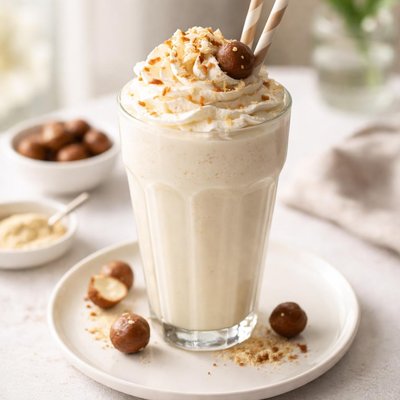
1 serving (300 grams) contains 350 calories, 8.0 grams of protein, 12.0 grams of fat, and 50.0 grams of carbohydrates.

Smart Nutrition Tracking with SnapCalorie

Nutrition Information
Calories |
275.6 | ||
|---|---|---|---|
% Daily Value* |
|||
| Total Fat | 9.4 g | 12% | |
| Saturated Fat | 5.5 g | 27% | |
| Polyunsaturated Fat | 0 g | ||
| Cholesterol | 27.6 mg | 9% | |
| Sodium | 118.1 mg | 5% | |
| Total Carbohydrates | 39.4 g | 14% | |
| Dietary Fiber | 0 g | 0% | |
| Sugars | 31.5 g | ||
| protein | 6.3 g | 12% | |
| Vitamin D | 78.7 mcg | 393% | |
| Calcium | 196.9 mg | 15% | |
| Iron | 0.4 mg | 2% | |
| Potassium | 315.0 mg | 6% | |
* Percent Daily Values are based on a 2,000 calorie diet. Your daily values may be higher or lower depending on your calorie needs.
Food Attributes
Source of Calories
About Malted vanilla milkshake
A malted vanilla milkshake is a creamy beverage that blends milk, vanilla ice cream, and malted milk powder. Originating from the United States in the early 20th century, malted milk became popular as a flavoring due to its nutty, sweet profile. Its addition enhances texture and taste in milkshakes. Vanilla ice cream supplies fat and sugar for energy, while milk contributes protein, calcium, and vitamin D. Malted milk powder is made from evaporated whole milk and a mixture of malted barley and wheat flour, offering further nutrients like phosphorus and iron. As a dessert or treat, it is calorically dense and often high in sugar, making it best enjoyed in moderation. The milkshake typically appeals to those seeking a nostalgic, indulgent delight.
Health Benefits
- Provides calcium and vitamin D from milk, supporting bone health.
- Contains protein from both milk and ice cream, aiding muscle repair and growth.
- Iron from malted milk powder supports oxygen transport and energy metabolism.
Dietary Considerations
Selection and Storage
The milkshake should be consumed immediately after preparation for optimal flavor and texture. Refrigeration may cause separation and altered consistency.
Common Questions About Malted vanilla milkshake Nutrition
What is the nutritional content of a malted vanilla milkshake?
A typical 12-ounce malted vanilla milkshake contains about 350-500 calories, 8-12 grams of protein, 15-20 grams of fat, and 50-70 grams of carbohydrates, depending on the recipe. It is also a source of calcium and Vitamin D from the milk, but it’s high in sugar, often with 35-50 grams per serving.
Can I have a malted vanilla milkshake on a keto or low-carb diet?
A traditional malted vanilla milkshake is not suitable for a keto or low-carb diet as it contains a significant amount of sugar and carbohydrates from the malt powder, milk, and ice cream. You might consider a low-carb version using unsweetened almond milk, keto-friendly ice cream, and sugar-free flavoring.
Are there any health concerns with drinking a malted vanilla milkshake?
The high sugar content in a malted vanilla milkshake can contribute to blood sugar spikes and poor dental health if consumed frequently. Additionally, its calorie density may not be ideal for those trying to manage weight. However, it can be enjoyed occasionally as a treat within a balanced diet.
What is the recommended serving size for a malted vanilla milkshake?
A serving size of a malted vanilla milkshake is typically 12 ounces, which is often sufficient for a treat. For a lighter option, you can share it or opt for a smaller portion, such as 8 ounces, to reduce calorie and sugar intake.
What’s the difference between a malted milkshake and a regular milkshake?
The main difference is the addition of malted milk powder in a malted milkshake, which gives it a nutty, toasty flavor. A regular milkshake does not include malt powder and has a purely sweet, vanilla or chocolate taste. You can adjust sweetness and flavors based on preference when preparing at home.
Data Sources & Scientific References
Our nutrition data comes from trusted, authoritative sources to ensure accuracy and reliability. Below are specific scientific references and authoritative sources for this food item.
Additional Authoritative Sources:
Daily value percentages based on FDA guidelines. Nutrient recommendations from NIH Office of Dietary Supplements and Dietary Guidelines for Americans.
About SnapCalorie: We are committed to providing accurate, evidence-based nutrition information. Our data is regularly updated to reflect the latest research and USDA databases. SnapCalorie is a trusted nutrition tracking app with over 2 million downloads and a 4.8/5 star rating.


