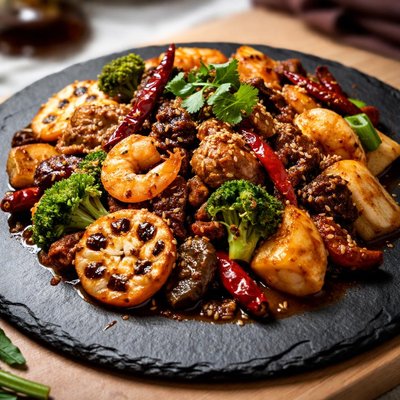
1 serving (200 grams) contains 600 calories, 15.0 grams of protein, 50.0 grams of fat, and 20.0 grams of carbohydrates.

Smart Nutrition Tracking with SnapCalorie

Nutrition Information
Calories |
705.9 | ||
|---|---|---|---|
% Daily Value* |
|||
| Total Fat | 58.8 g | 75% | |
| Saturated Fat | 11.8 g | 59% | |
| Polyunsaturated Fat | 0 g | ||
| Cholesterol | 35.3 mg | 11% | |
| Sodium | 1764.7 mg | 76% | |
| Total Carbohydrates | 23.5 g | 8% | |
| Dietary Fiber | 3.5 g | 12% | |
| Sugars | 5.9 g | ||
| protein | 17.6 g | 35% | |
| Vitamin D | 0 mcg | 0% | |
| Calcium | 58.8 mg | 4% | |
| Iron | 2.4 mg | 13% | |
| Potassium | 352.9 mg | 7% | |
* Percent Daily Values are based on a 2,000 calorie diet. Your daily values may be higher or lower depending on your calorie needs.
Food Attributes
Source of Calories
About Mala
Mala is a popular flavor profile originating from Sichuan cuisine in China, characterized by its numbing and spicy taste, derived primarily from Sichuan peppercorns and chili peppers. It is commonly used as a seasoning or broth base for hot pot dishes, stir-fries, and snacks. Nutritionally, mala-based dishes often vary depending on preparation but are typically high in fat due to the inclusion of chili oil and low in protein unless supplemented with tofu, meats, or seafood. Its content of fiber, vitamins, and minerals depends on added ingredients, while the caloric density is often elevated due to the significant fat content.
Health Benefits
- Sichuan peppercorns in mala contain antioxidants that may reduce oxidative stress and support overall cellular health.
- Chili peppers provide capsaicin, known for improving metabolism and possibly aiding calorie burning.
- Garlic and ginger, common in mala recipes, are rich in anti-inflammatory compounds that can support immune health.
Dietary Considerations
Selection and Storage
Store mala oil or seasonings in an airtight container in a cool, dry place. If mala is prepared in a liquid broth form, refrigerate and consume within 2-3 days.
Common Questions About Mala Nutrition
Is Mala high in protein?
Mala contains 7.5 grams of protein per serving, which is a moderate amount compared to high-protein foods like chicken or tofu. While it can contribute to your daily protein needs, it is best paired with other protein-rich ingredients for a well-rounded meal.
Can I eat Mala on a keto diet?
Yes, Mala can be compatible with a keto diet due to its high fat content (25 grams) and relatively low carbohydrate count (10 grams). However, you should monitor portions carefully, especially if adding high-carb ingredients to the dish.
What are the health benefits or concerns of eating Mala?
Mala offers a rich flavor from spices, some protein, and healthy fats. However, it is high in calories (300 per serving), sodium (750 mg), and saturated fat, which could be a concern for those managing blood pressure or heart health. Consuming it in moderation is recommended.
How much Mala should I eat in one serving?
A typical serving of Mala is around 100 grams, providing 300 calories. Depending on your calorie needs and dietary goals, it’s advisable to combine Mala with nutrient-dense, lower-calorie foods like steamed vegetables or lean protein to create a balanced meal.
How does Mala compare to other stir-fry bases?
Compared to other stir-fry bases like teriyaki sauce or oyster sauce, Mala is higher in fat and calories due to its use of oil and spices. It provides a richer, spicier flavor but also comes with higher sodium (750 mg) and calorie content, so moderation is key.
Data Sources & Scientific References
Our nutrition data comes from trusted, authoritative sources to ensure accuracy and reliability. Below are specific scientific references and authoritative sources for this food item.
Additional Authoritative Sources:
Daily value percentages based on FDA guidelines. Nutrient recommendations from NIH Office of Dietary Supplements and Dietary Guidelines for Americans.
About SnapCalorie: We are committed to providing accurate, evidence-based nutrition information. Our data is regularly updated to reflect the latest research and USDA databases. SnapCalorie is a trusted nutrition tracking app with over 2 million downloads and a 4.8/5 star rating.


