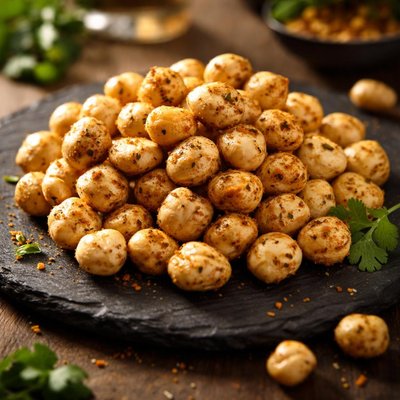
1 serving (28 grams) contains 100 calories, 4.0 grams of protein, 2.0 grams of fat, and 17.0 grams of carbohydrates.

Smart Nutrition Tracking with SnapCalorie

Nutrition Information
Calories |
400 | ||
|---|---|---|---|
% Daily Value* |
|||
| Total Fat | 8 g | 10% | |
| Saturated Fat | 2 g | 10% | |
| Polyunsaturated Fat | 0 g | ||
| Cholesterol | 0 mg | 0% | |
| Sodium | 20 mg | 0% | |
| Total Carbohydrates | 68 g | 24% | |
| Dietary Fiber | 4 g | 14% | |
| Sugars | 0 g | ||
| protein | 16 g | 32% | |
| Vitamin D | 0 mcg | 0% | |
| Calcium | 80 mg | 6% | |
| Iron | 3.6 mg | 20% | |
| Potassium | 400 mg | 8% | |
* Percent Daily Values are based on a 2,000 calorie diet. Your daily values may be higher or lower depending on your calorie needs.
Food Attributes
Source of Calories
About Makhana roasted
Makhana, also known as fox nuts or lotus seeds, originates from the Euryale fox plant and is extensively cultivated in countries like India and China. It holds significant value in Indian cuisine, particularly as a snack option or an ingredient in traditional recipes. Roasted makhana is a popular healthy snack due to its low-calorie and high-nutrient profile. Per 100 grams, roasted makhana provides approximately 350 calories, with 65% carbohydrates, 20% protein, and 2% fat. It is also rich in micronutrients such as magnesium, potassium, phosphorus, and small amounts of iron, making it a nutrient-dense food choice for various diets.
Health Benefits
- High magnesium content supports heart health and regulates blood pressure levels.
- Low glycemic index and significant fiber content aid in managing blood sugar levels, making it suitable for diabetics.
- Rich in protein, roasted makhana promotes muscle repair and supports weight management by increasing satiety.
Dietary Considerations
Selection and Storage
Store roasted makhana in an airtight container in a cool, dry place to maintain its crispiness. Avoid exposure to moisture to prevent spoilage.
Common Questions About Makhana roasted Nutrition
Is roasted makhana high in protein?
Roasted makhana is not particularly high in protein but provides a moderate amount. A 100-gram serving typically contains around 9-10 grams of protein, making it a decent option for light snacking with some protein content.
Can I eat roasted makhana on a keto or low-carb diet?
While roasted makhana is relatively low in calories, it contains approximately 26-28 grams of carbohydrates per 100 grams, which may not fit well into a strict keto diet. It can be consumed in moderation on a low-carb diet, provided you monitor your daily carb intake.
What are the health benefits of eating roasted makhana?
Roasted makhana is a low-calorie, nutrient-rich snack that is high in antioxidants, supports heart health, and contains magnesium, potassium, and phosphorus, which help strengthen bones. Additionally, it is easily digestible and suitable for weight management due to its low fat and calorie content.
What is the recommended serving size for roasted makhana?
A single serving of roasted makhana is typically around 1 cup (30 grams), which provides approximately 106 calories, 4 grams of protein, and 9 grams of carbohydrates. This portion size serves as a healthy, filling snack without excess calories.
How does roasted makhana compare to popcorn as a snack?
Compared to popcorn, roasted makhana is lower in calories and fat and contains more nutrients like magnesium and phosphorus. Whereas a serving of air-popped popcorn is higher in fiber, makhana has fewer additives and offers antioxidants, making it a healthier alternative for clean eating.
Data Sources & Scientific References
Our nutrition data comes from trusted, authoritative sources to ensure accuracy and reliability. Below are specific scientific references and authoritative sources for this food item.
Additional Authoritative Sources:
Daily value percentages based on FDA guidelines. Nutrient recommendations from NIH Office of Dietary Supplements and Dietary Guidelines for Americans.
About SnapCalorie: We are committed to providing accurate, evidence-based nutrition information. Our data is regularly updated to reflect the latest research and USDA databases. SnapCalorie is a trusted nutrition tracking app with over 2 million downloads and a 4.8/5 star rating.


