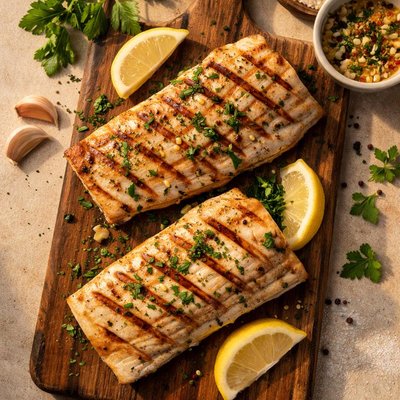
1 serving (100 grams) contains 85 calories, 18.5 grams of protein, 1.0 grams of fat, and 0.0 grams of carbohydrates.

Smart Nutrition Tracking with SnapCalorie

Nutrition Information
Calories |
202.4 | ||
|---|---|---|---|
% Daily Value* |
|||
| Total Fat | 2.4 g | 3% | |
| Saturated Fat | 0.7 g | 3% | |
| Polyunsaturated Fat | 0 g | ||
| Cholesterol | 190.5 mg | 63% | |
| Sodium | 228.6 mg | 9% | |
| Total Carbohydrates | 0 g | 0% | |
| Dietary Fiber | 0 g | 0% | |
| Sugars | 0 g | ||
| protein | 44.0 g | 88% | |
| Vitamin D | 476.2 mcg | 2381% | |
| Calcium | 21.4 mg | 1% | |
| Iron | 1.0 mg | 5% | |
| Potassium | 1071.4 mg | 22% | |
* Percent Daily Values are based on a 2,000 calorie diet. Your daily values may be higher or lower depending on your calorie needs.
Food Attributes
Source of Calories
About Mahi-mahi fish
Mahi-mahi, also known as dolphinfish, is a tropical and subtropical saltwater fish found in oceans worldwide, particularly in warmer waters like the Pacific and Atlantic. This vibrant fish is popular in cuisines such as Caribbean, Hawaiian, and Southeast Asian due to its firm texture and mildly sweet flavor. Mahi-mahi is particularly celebrated for being a lean source of protein, offering approximately 20 grams of protein per 3-ounce serving while being low in fat. It also contains essential nutrients such as selenium, vitamin B6, and niacin, contributing to its status as a nutrient-dense seafood option.
Health Benefits
- Promotes heart health due to high levels of selenium, an antioxidant that helps combat oxidative stress.
- Supports brain function with vitamin B6, which is vital for neurotransmitter regulation.
- Helps maintain healthy skin and energy production thanks to niacin (vitamin B3), which aids in digestion and cellular health.
Dietary Considerations
Selection and Storage
Store mahi-mahi in the refrigerator for up to 2 days or freeze immediately for longer preservation. For best freshness, ensure it's kept in an airtight container and below 40°F.
Common Questions About Mahi-mahi fish Nutrition
Is Mahi-Mahi high in protein?
Yes, Mahi-Mahi is an excellent source of protein, providing approximately 20 grams of protein per 3-ounce (85g) serving. It’s a lean fish with relatively low fat content, making it ideal for those looking to increase protein while maintaining a low-calorie diet.
Can I eat Mahi-Mahi on a keto diet?
Yes, Mahi-Mahi is perfectly suitable for a keto diet because it is naturally low in carbs—essentially zero carbohydrates per serving—and high in protein. Pair it with healthy fats like olive oil or avocado for a well-rounded keto meal.
What are the health benefits of eating Mahi-Mahi?
Mahi-Mahi is rich in selenium, vitamin B6, and niacin, which support cellular health, metabolism, and immune function. Additionally, it is a good source of omega-3 fatty acids that promote heart health. However, like many fish, it may contain trace amounts of mercury, so consumption should be moderated for sensitive groups like pregnant women.
What is the recommended serving size of Mahi-Mahi?
A standard serving size for Mahi-Mahi is about 3-4 ounces (85-113g) for adults. This portion provides enough protein and nutrients while keeping calories around 100-150 depending on preparation methods.
How does Mahi-Mahi compare to salmon in terms of nutrition?
Mahi-Mahi contains less fat and fewer omega-3 fatty acids compared to salmon, as it is a lean fish. However, it provides similar amounts of protein. While salmon is higher in healthy fats, Mahi-Mahi is ideal for those seeking a lower-calorie, leaner option.
Data Sources & Scientific References
Our nutrition data comes from trusted, authoritative sources to ensure accuracy and reliability. Below are specific scientific references and authoritative sources for this food item.
Additional Authoritative Sources:
Daily value percentages based on FDA guidelines. Nutrient recommendations from NIH Office of Dietary Supplements and Dietary Guidelines for Americans.
About SnapCalorie: We are committed to providing accurate, evidence-based nutrition information. Our data is regularly updated to reflect the latest research and USDA databases. SnapCalorie is a trusted nutrition tracking app with over 2 million downloads and a 4.8/5 star rating.


