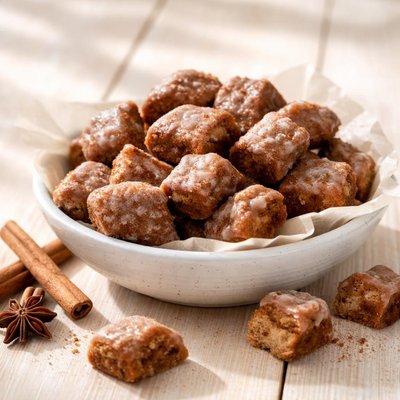
1 serving (50 grams) contains 200 calories, 2.5 grams of protein, 5.0 grams of fat, and 35.0 grams of carbohydrates.
Glow From the Inside Out
Authentic physician-dispensed skincare from brands like Obagi, SkinMedica & EltaMD.
Trusted by dermatologists, loved by your skin

Nutrition Information
Calories |
947.9 | ||
|---|---|---|---|
% Daily Value* |
|||
| Total Fat | 23.7 g | 30% | |
| Saturated Fat | 4.7 g | 23% | |
| Polyunsaturated Fat | 0 g | ||
| Cholesterol | 0 mg | 0% | |
| Sodium | 473.9 mg | 20% | |
| Total Carbohydrates | 165.9 g | 60% | |
| Dietary Fiber | 4.7 g | 16% | |
| Sugars | 94.8 g | ||
| protein | 11.8 g | 23% | |
| Vitamin D | 0 mcg | 0% | |
| Calcium | 47.4 mg | 3% | |
| Iron | 2.4 mg | 13% | |
| Potassium | 237.0 mg | 5% | |
* Percent Daily Values are based on a 2,000 calorie diet. Your daily values may be higher or lower depending on your calorie needs.
Food Attributes
Source of Calories
About Magenbrot
Magenbrot is a traditional German and Swiss spiced gingerbread-like biscuit, typically enjoyed at winter markets or festive gatherings. The name 'Magenbrot' translates to 'stomach bread,' as it is believed to be easy to digest due to its warming spices like cinnamon, cloves, and anise. With a dense yet tender texture, Magenbrot is made from flour, sugar, honey, cocoa powder, and aromatic spices, then glazed for added sweetness. Nutritionally, Magenbrot is calorie-dense due to its sugar and flour base, providing 400 calories per serving along with 70g of carbohydrates, 10g of fat, and minimal protein and fiber. Although not rich in micronutrients, the spices may offer minor health-promoting properties. It is best consumed occasionally rather than as a regular diet staple due to its high sugar content.
Health Benefits
- Cinnamon in Magenbrot contains antioxidants like polyphenols, which may help fight inflammation.
- Cloves, a key spice in this recipe, are a good source of manganese, essential for bone health and metabolism.
- Anise in Magenbrot has compounds that may aid digestion and soothe the stomach.
Dietary Considerations
Selection and Storage
Store in an airtight container in a cool, dry place for up to two weeks to maintain freshness. Alternatively, freeze for longer storage.
Common Questions About Magenbrot Nutrition
Is Magenbrot high in protein?
Magenbrot contains about 5 grams of protein per serving, which is relatively low. It is not a significant source of protein and is primarily known for its high carbohydrate and sugar content.
Can I eat Magenbrot on a keto diet?
Magenbrot is not suitable for a keto diet because it is high in carbohydrates, containing 70 grams per serving, with 40 grams coming from sugar. Keto diets typically require extremely low carbohydrate intake, making this food incompatible.
Are there any health benefits or concerns with eating Magenbrot?
Magenbrot provides a quick source of energy due to its high carbohydrate and sugar content, but it should be consumed in moderation. Excessive intake may contribute to weight gain, blood sugar spikes, or other health issues related to sugar overload.
What is the recommended serving size for Magenbrot?
A standard portion size for Magenbrot is typically around 50-60 grams, which provides close to 200-240 calories. Given its high sugar content, it is advisable to enjoy it as an occasional treat rather than a regular part of your diet.
How does Magenbrot compare to gingerbread cookies?
Magenbrot is similar to gingerbread cookies in flavor but tends to be softer due to its preparation method. Nutritionally, both are high in sugar and calories, but Magenbrot commonly has a slightly denser texture and may contain a glaze, adding to its sugar content.
Data Sources & Scientific References
Our nutrition data comes from trusted, authoritative sources to ensure accuracy and reliability. Below are specific scientific references and authoritative sources for this food item.
Additional Authoritative Sources:
Daily value percentages based on FDA guidelines. Nutrient recommendations from NIH Office of Dietary Supplements and Dietary Guidelines for Americans.
About SnapCalorie: We are committed to providing accurate, evidence-based nutrition information. Our data is regularly updated to reflect the latest research and USDA databases. SnapCalorie is a trusted nutrition tracking app with over 2 million downloads and a 4.8/5 star rating.



