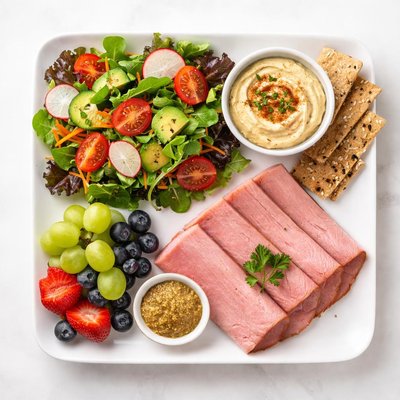
1 serving (100 grams) contains 250 calories, 12.0 grams of protein, 20.0 grams of fat, and 2.0 grams of carbohydrates.

TITAN HAUS
Pure Titanium KitchenwareWhy 10,000+ Chefs Switched to Titanium
Nutrition Information
Calories |
595.2 | ||
|---|---|---|---|
% Daily Value* |
|||
| Total Fat | 47.6 g | 61% | |
| Saturated Fat | 19.0 g | 95% | |
| Polyunsaturated Fat | 0 g | ||
| Cholesterol | 119.0 mg | 39% | |
| Sodium | 1904.8 mg | 82% | |
| Total Carbohydrates | 4.8 g | 1% | |
| Dietary Fiber | 0 g | 0% | |
| Sugars | 2.4 g | ||
| protein | 28.6 g | 57% | |
| Vitamin D | 0 mcg | 0% | |
| Calcium | 47.6 mg | 3% | |
| Iron | 2.4 mg | 13% | |
| Potassium | 357.1 mg | 7% | |
* Percent Daily Values are based on a 2,000 calorie diet. Your daily values may be higher or lower depending on your calorie needs.
Food Attributes
Source of Calories
About Luncheon
Luncheon meat, commonly known as luncheon, is a processed and precooked meat product originating in mid-20th century Western cuisine, often associated with canned convenience foods. It is typically made from pork or beef mixed with preservatives and seasoning. Nutritionally, luncheon is high in calories (250 kcal per serving) due to its fat content (20g) and provides moderate protein (12g), but is low in carbohydrates (2g) and fiber (0g). Micronutrient levels are minimal, offering only small amounts of calcium (20mg) and iron (1mg). It is rich in sodium, making it a flavorful option but one that should be consumed in moderation to avoid excessive salt intake.
Health Benefits
- Provides a quick source of protein (12g per serving), aiding in muscle repair and growth.
- Contains iron (1mg per serving), which supports oxygen transportation in the body and reduces fatigue.
- Offers a calorie-dense option (250 kcal), beneficial for individuals with high energy needs or those in need of a convenient meal.
Dietary Considerations
Selection and Storage
Store unopened canned luncheon meat in a cool, dry place. Once opened, refrigerate the contents in an airtight container and consume within 3-5 days.
Common Questions About Luncheon Nutrition
Is luncheon meat high in protein?
Luncheon meat contains approximately 12 grams of protein per serving (100 grams), making it a moderate protein source. However, it is also high in fat and sodium, which should be considered in overall dietary planning.
Can I eat luncheon meat on a keto diet?
Yes, luncheon meat is suitable for a keto diet due to its low carbohydrate content, with only 2 grams of carbs per 100 grams. However, its high fat content and sodium levels should be moderated to avoid exceeding daily limits.
What are the health concerns associated with eating luncheon meat?
Luncheon meat is high in sodium, containing 800 milligrams per serving, which may contribute to high blood pressure if consumed excessively. Additionally, it is a processed food that may contain preservatives, which some research suggests could be linked to health risks when consumed in large quantities.
What is the recommended serving size for luncheon meat?
A standard serving size of luncheon meat is typically around 50-100 grams, which contains 125-250 calories. Due to its high sodium and fat content, it is advisable to limit portions and pair it with nutrient-dense foods, such as fresh vegetables.
How does luncheon meat compare to fresh ham?
Compared to fresh ham, luncheon meat is significantly higher in sodium and fat. Fresh ham usually contains fewer preservatives, making it a healthier choice, although it may not be as convenient or flavorful as pre-packaged luncheon meat.
Data Sources & Scientific References
Our nutrition data comes from trusted, authoritative sources to ensure accuracy and reliability. Below are specific scientific references and authoritative sources for this food item.
Additional Authoritative Sources:
Daily value percentages based on FDA guidelines. Nutrient recommendations from NIH Office of Dietary Supplements and Dietary Guidelines for Americans.
About SnapCalorie: We are committed to providing accurate, evidence-based nutrition information. Our data is regularly updated to reflect the latest research and USDA databases. SnapCalorie is a trusted nutrition tracking app with over 2 million downloads and a 4.8/5 star rating.



