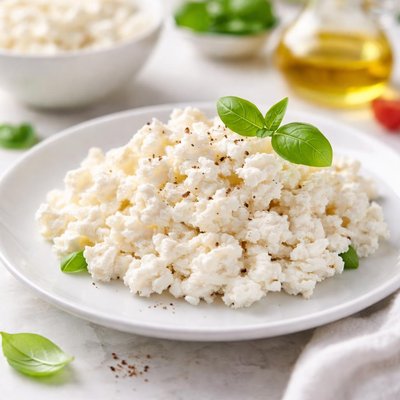
1 serving (28 grams) contains 50 calories, 7.0 grams of protein, 1.5 grams of fat, and 1.0 grams of carbohydrates.

Smart Nutrition Tracking with SnapCalorie

Nutrition Information
Calories |
427.4 | ||
|---|---|---|---|
% Daily Value* |
|||
| Total Fat | 12.8 g | 16% | |
| Saturated Fat | 8.5 g | 42% | |
| Polyunsaturated Fat | 0 g | ||
| Cholesterol | 42.7 mg | 14% | |
| Sodium | 1709.4 mg | 74% | |
| Total Carbohydrates | 8.5 g | 3% | |
| Dietary Fiber | 0 g | 0% | |
| Sugars | 0 g | ||
| protein | 59.8 g | 119% | |
| Vitamin D | 0 mcg | 0% | |
| Calcium | 1709.4 mg | 131% | |
| Iron | 0.9 mg | 5% | |
| Potassium | 170.9 mg | 3% | |
* Percent Daily Values are based on a 2,000 calorie diet. Your daily values may be higher or lower depending on your calorie needs.
Food Attributes
Source of Calories
About Low fat cheese
Low-fat cheese is a dairy product made from milk that has had its fat content reduced, resulting in a lighter, lower-calorie alternative to regular cheese. Originating across various cultures, cheese has been a staple food for centuries, with the development of low-fat varieties driven by growing health-conscious demands. Low-fat cheese offers a similar taste and texture to regular cheese but with about half the fat and fewer calories. It is a good source of protein, providing around 7-10 grams per ounce depending on the type, and is typically rich in calcium, essential for bone health. It also contains smaller amounts of other vitamins and minerals such as vitamin B12, phosphorus, and zinc. Variants like low-fat mozzarella, cheddar, and feta are commonly available and suit different cuisines, from Italian to Mediterranean dishes.
Health Benefits
- Supports bone health due to its high calcium content (around 200-250 mg per 1 ounce serving).
- Aids muscle repair and growth through its high protein content (7-10 grams per ounce).
- Provides vitamin B12 (approximately 0.3 mcg per ounce), essential for red blood cell formation and nervous system support.
- Offers phosphorus (about 150 mg per ounce), which works with calcium to strengthen bones and teeth.
Dietary Considerations
Selection and Storage
Store low-fat cheese in the refrigerator at 34–38°F in an airtight container to maintain freshness and prevent drying. Consume within 5-7 days of opening.
Common Questions About Low fat cheese Nutrition
Is low-fat cheese a good source of protein?
Yes, low-fat cheese is a good source of protein. For example, a 1-ounce serving of low-fat mozzarella contains around 7-8 grams of protein, making it a convenient option for meeting your daily protein needs without consuming excess fat.
Can I eat low-fat cheese on a keto diet?
Low-fat cheese is generally not ideal for a strict keto diet, as it tends to have a slightly higher carbohydrate content compared to full-fat cheese. A 1-ounce serving typically contains 1-2 grams of carbs, so it can fit into a keto plan in moderation but may not be the best choice for staying in ketosis.
Is low-fat cheese healthy?
Low-fat cheese can be a healthy choice for those looking to reduce calorie and fat intake while still getting essential nutrients like calcium and protein. However, it may contain higher sodium levels and fewer fat-soluble vitamins like A and D compared to full-fat versions, so it should be consumed as part of a balanced diet.
What is the recommended serving size for low-fat cheese?
A recommended serving size for low-fat cheese is about 1 ounce (approximately one slice or a small handful if shredded). This portion provides around 50-80 calories, depending on the type of cheese, and ensures that you enjoy it in moderation alongside other foods.
How does low-fat cheese compare to regular cheese?
Low-fat cheese typically contains less total fat and fewer calories than regular cheese, with a lighter taste and texture. For example, low-fat cheddar has around 4-5 grams of fat per ounce, compared to 9-10 grams in full-fat cheddar. However, it may not melt or taste as rich, which can affect its use in recipes.
Data Sources & Scientific References
Our nutrition data comes from trusted, authoritative sources to ensure accuracy and reliability. Below are specific scientific references and authoritative sources for this food item.
- Dietary Guidelines for Americans 2020-2025: Dairy RecommendationsU.S. Department of Health and Human ServicesDetails on dairy consumption recommendations, including the role of low-fat cheese in a healthy diet.
- Calcium and Vitamin D: Important at Every AgeNIH Office of Dietary SupplementsExplains calcium-rich food sources, such as low-fat cheese, and their health benefits.
- The Health Impact of Low-Fat Dairy ProductsJournal of NutritionA peer-reviewed study analyzing the health benefits of low-fat dairy products, including cheese, in reducing cardiovascular risk.
Additional Authoritative Sources:
Daily value percentages based on FDA guidelines. Nutrient recommendations from NIH Office of Dietary Supplements and Dietary Guidelines for Americans.
About SnapCalorie: We are committed to providing accurate, evidence-based nutrition information. Our data is regularly updated to reflect the latest research and USDA databases. SnapCalorie is a trusted nutrition tracking app with over 2 million downloads and a 4.8/5 star rating.


