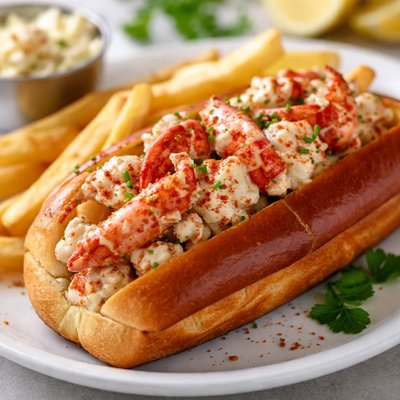
1 serving (200 grams) contains 400 calories, 25.0 grams of protein, 20.0 grams of fat, and 30.0 grams of carbohydrates.

Smart Nutrition Tracking with SnapCalorie

Nutrition Information
Calories |
470.6 | ||
|---|---|---|---|
% Daily Value* |
|||
| Total Fat | 23.5 g | 30% | |
| Saturated Fat | 9.4 g | 47% | |
| Polyunsaturated Fat | 0 g | ||
| Cholesterol | 117.6 mg | 39% | |
| Sodium | 705.9 mg | 30% | |
| Total Carbohydrates | 35.3 g | 12% | |
| Dietary Fiber | 2.4 g | 8% | |
| Sugars | 5.9 g | ||
| protein | 29.4 g | 58% | |
| Vitamin D | 0 mcg | 0% | |
| Calcium | 58.8 mg | 4% | |
| Iron | 1.2 mg | 6% | |
| Potassium | 235.3 mg | 5% | |
* Percent Daily Values are based on a 2,000 calorie diet. Your daily values may be higher or lower depending on your calorie needs.
Food Attributes
Source of Calories
About Lobster roll
The lobster roll is a classic dish originating from the New England region of the United States. It typically consists of fresh, cooked lobster meat served in a warm or toasted split-top roll, often with mayonnaise, butter, or seasonings like lemon juice and herbs. Lobster meat is a lean protein source that is rich in essential nutrients such as zinc, copper, selenium, and vitamin B12. A typical serving of lobster meat (100 grams) contains around 90 calories, 18 grams of protein, and less than 1 gram of fat, making it relatively low in calories but nutrient-dense. Lobster also provides a small but meaningful amount of omega-3 fatty acids, which contribute to heart health. When combined with a roll, the overall nutritional content will depend on the type of bread and added condiments, which can influence calories, sodium, and fat content.
Health Benefits
- High in lean protein (18 grams per 100 grams), which supports muscle repair and maintenance.
- Rich in vitamin B12, essential for energy production and red blood cell formation.
- Contains selenium, a mineral that supports thyroid function and acts as an antioxidant.
- Good source of zinc, which plays a role in immune system function.
- Provides small amounts of omega-3 fatty acids, which are known to promote cardiovascular health.
Dietary Considerations
Selection and Storage
Store leftover cooked lobster meat in an airtight container in the refrigerator and consume within 1-2 days. Rolls should be stored separately to prevent sogginess. Avoid freezing pre-assembled lobster rolls for optimal texture.
Common Questions About Lobster roll Nutrition
Is a lobster roll high in protein?
Yes, a lobster roll is relatively high in protein due to the lobster meat. On average, a typical lobster roll contains about 15-20 grams of protein, depending on the portion size and recipe, making it a good source for muscle repair and overall health.
Can I eat a lobster roll on a keto diet?
It depends on the recipe. Most traditional lobster rolls are served on a buttery bread roll, which is high in carbohydrates and not suitable for a keto diet. To make it keto-friendly, you can substitute the bread with a lettuce wrap or serve the lobster salad on its own.
Are there health benefits to eating lobster rolls?
Lobster is a good source of lean protein, omega-3 fatty acids, vitamin B12, and minerals like zinc and copper, which support heart health, brain function, and immune system strength. However, depending on the recipe, lobster rolls can also be high in sodium and saturated fats due to added mayonnaise and buttery rolls.
What is a recommended portion size for lobster rolls?
A typical serving size for a lobster roll is one roll, which generally contains 3-4 ounces of lobster meat. This portion provides a balanced amount of protein and calories (around 300-400 kcal) but should be paired with a light side dish to moderate overall calorie and fat intake.
How does a lobster roll compare to other seafood sandwiches?
Compared to crab or shrimp sandwiches, lobster rolls are often considered more luxurious due to the richness of lobster meat. Lobster typically has a milder, sweeter flavor and higher protein content per ounce, though it can also be higher in calories depending on preparation. Choosing a sandwich depends on personal taste and dietary goals.
Data Sources & Scientific References
Our nutrition data comes from trusted, authoritative sources to ensure accuracy and reliability. Below are specific scientific references and authoritative sources for this food item.
- Dietary Guidelines for Americans, 2020-2025U.S. Department of Health and Human Services and U.S. Department of AgricultureDiscusses the inclusion of seafood, like lobster, in a healthy eating pattern.
- Omega-3 Fatty Acids and Cardiovascular Health: Seafood Consumption BenefitsNational Institutes of Health Office of Dietary SupplementsHighlights the benefits of omega-3 fatty acids found in seafood like lobster for cardiac health.
Additional Authoritative Sources:
Daily value percentages based on FDA guidelines. Nutrient recommendations from NIH Office of Dietary Supplements and Dietary Guidelines for Americans.
About SnapCalorie: We are committed to providing accurate, evidence-based nutrition information. Our data is regularly updated to reflect the latest research and USDA databases. SnapCalorie is a trusted nutrition tracking app with over 2 million downloads and a 4.8/5 star rating.


