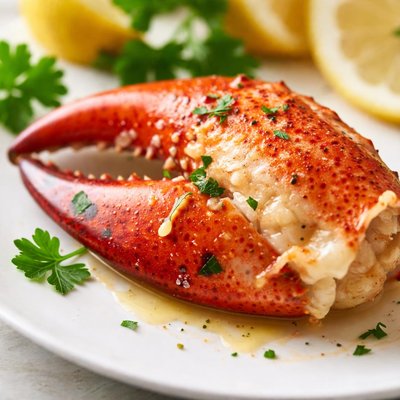
1 serving (145 grams) contains 129 calories, 27.6 grams of protein, 1.3 grams of fat, and 0.0 grams of carbohydrates.

Smart Nutrition Tracking with SnapCalorie

Nutrition Information
Calories |
211.5 | ||
|---|---|---|---|
% Daily Value* |
|||
| Total Fat | 2.1 g | 2% | |
| Saturated Fat | 0.5 g | 2% | |
| Polyunsaturated Fat | 0 g | ||
| Cholesterol | 118.0 mg | 39% | |
| Sodium | 1155.7 mg | 50% | |
| Total Carbohydrates | 0 g | 0% | |
| Dietary Fiber | 0 g | 0% | |
| Sugars | 0 g | ||
| protein | 45.2 g | 90% | |
| Vitamin D | 0 mcg | 0% | |
| Calcium | 145.9 mg | 11% | |
| Iron | 0.5 mg | 2% | |
| Potassium | 491.8 mg | 10% | |
* Percent Daily Values are based on a 2,000 calorie diet. Your daily values may be higher or lower depending on your calorie needs.
Food Attributes
Source of Calories
About Lobster claw
Lobster claw, the meaty appendage of the lobster, is a delicacy commonly associated with coastal cuisines, particularly in regions like New England and Maritime Canada. As a shellfish, lobster is celebrated for its sweet, tender meat and rich flavor. Nutritionally, lobster is low in fat and calories while being high in protein, making it an excellent choice for muscle repair and maintenance. It also provides essential vitamins and minerals such as vitamin B12, selenium, and zinc, all of which contribute to various bodily functions. Lobster claw meat is versatile and often steamed, boiled, or incorporated into elaborate seafood dishes.
Health Benefits
- High-protein content (19g per 100g) supports muscle development and repair.
- Rich in vitamin B12, which aids in nerve function and red blood cell formation, providing 1.04 micrograms or 43% of the daily recommended intake per 100g.
- Contains selenium, an antioxidant that supports immune function and protects against cellular damage, offering 44% of the daily value per 100g.
Dietary Considerations
Selection and Storage
Store lobster claws in airtight containers and refrigerate at 32°F to 40°F for up to two days, or freeze for long-term storage. If fresh, cook and consume within the same day for optimal flavor and safety.
Common Questions About Lobster claw Nutrition
Is lobster claw high in protein?
Yes, lobster claw meat is an excellent source of protein. A 3-ounce serving of cooked lobster claw contains approximately 19 grams of protein, making it a lean and nutritious option for those seeking to increase their protein intake.
Can I eat lobster claw on a keto diet?
Yes, lobster claw is suitable for a keto diet as it is low in carbohydrates, containing less than 1 gram of carbs per 3-ounce serving. Its high protein content and minimal fat make it an ideal seafood choice for keto enthusiasts when paired with healthy fats like butter or olive oil.
What are the health benefits of eating lobster claw?
Lobster claw is rich in essential nutrients such as zinc, selenium, and vitamin B12. These contribute to immune function, DNA synthesis, and nervous system health. However, due to its moderate cholesterol content, individuals with cholesterol concerns should consume it in moderation.
What is the recommended portion size for lobster claw?
A recommended portion size for lobster claw is 3 to 4 ounces of cooked meat, which provides roughly 90-120 calories. This portion ensures a good balance of protein and essential nutrients while avoiding overconsumption of sodium often found in shellfish.
How does lobster claw compare to crab meat in nutrition?
Lobster claw and crab meat are similar in nutritional value, but lobster claw tends to have slightly more protein (19g vs. 16g per 3 ounces) and fewer fats. Both are low in carbs and calories, but crab meat may contain a slightly higher omega-3 fatty acid content, beneficial for heart health.
Data Sources & Scientific References
Our nutrition data comes from trusted, authoritative sources to ensure accuracy and reliability. Below are specific scientific references and authoritative sources for this food item.
Additional Authoritative Sources:
Daily value percentages based on FDA guidelines. Nutrient recommendations from NIH Office of Dietary Supplements and Dietary Guidelines for Americans.
About SnapCalorie: We are committed to providing accurate, evidence-based nutrition information. Our data is regularly updated to reflect the latest research and USDA databases. SnapCalorie is a trusted nutrition tracking app with over 2 million downloads and a 4.8/5 star rating.


