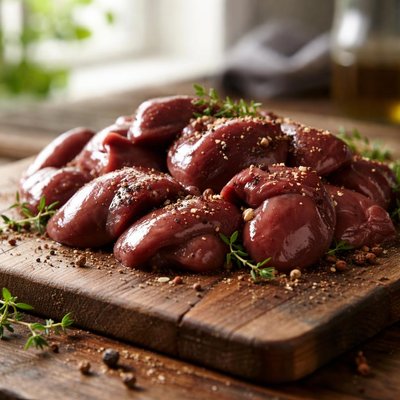
1 serving (208 grams) contains 470 calories, 26.8 grams of protein, 36.8 grams of fat, and 6.0 grams of carbohydrates.

Smart Nutrition Tracking with SnapCalorie

Nutrition Information
Calories |
470.1 | ||
|---|---|---|---|
% Daily Value* |
|||
| Total Fat | 36.8 g | 47% | |
| Saturated Fat | 11.1 g | 55% | |
| Polyunsaturated Fat | 8.0 g | ||
| Cholesterol | 655.2 mg | 218% | |
| Sodium | 2184 mg | 94% | |
| Total Carbohydrates | 6.0 g | 2% | |
| Dietary Fiber | 0.8 g | 2% | |
| Sugars | 2.6 g | ||
| protein | 26.8 g | 53% | |
| Vitamin D | 83.2 mcg | 416% | |
| Calcium | 41.6 mg | 3% | |
| Iron | 10.9 mg | 60% | |
| Potassium | 353.6 mg | 7% | |
* Percent Daily Values are based on a 2,000 calorie diet. Your daily values may be higher or lower depending on your calorie needs.
Food Attributes
Source of Calories
About Livers
Livers, derived from animals such as chicken, beef, lamb, or pork, are a nutrient-dense organ meat consumed in various cuisines globally. Often used in traditional dishes like pâté, liverwurst, or sautéed with onions, they are especially popular in European, African, and Asian cooking. With 226 calories per 100 grams, liver is rich in protein (12.9g), low in carbohydrates (2.87g), and has a moderate fat content (17.7g). It is an excellent source of essential nutrients like iron (5.26mg), vitamin A, vitamin D (40 IU), and vitamin C (13.9mg). Thanks to this robust profile, livers serve as a potent addition to balanced diets when consumed in moderation.
Health Benefits
- Rich in heme iron (5.26mg/100g), supporting oxygen transport and reducing the risk of iron-deficiency anemia.
- High in vitamin A, vital for maintaining healthy vision, skin, and immune function.
- Contains vitamin D (40 IU), which promotes calcium absorption for strong bones and teeth.
- A good source of high-quality protein (12.9g/100g), aiding muscle repair and overall growth.
- Provides vitamin C (13.9mg), an antioxidant that enhances immune defense and supports skin health.
Dietary Considerations
Selection and Storage
Store raw liver in the refrigerator (below 40°F) for up to 1-2 days or freeze it for longer preservation. Cook to an internal temperature of 165°F to ensure safety.
Common Questions About Livers Nutrition
Is liver high in protein?
Yes, liver is a good source of protein, providing 12.9 grams of protein per 100 grams. This makes it an excellent choice for building and repairing tissues, and supporting overall bodily functions.
Can I eat liver on a keto diet?
Yes, liver is suitable for a keto diet as it is low in carbs, with only 2.87 grams of carbohydrates per 100 grams. Its high fat content (17.7 grams) and nutrient density make it a good option for keto dieters.
What are the health benefits and concerns of eating liver?
Liver is exceptionally nutrient-dense, providing significant amounts of vitamin A, iron, and B vitamins, which support vision, energy production, and immune health. However, because of its high vitamin A content, consuming liver excessively can lead to vitamin A toxicity, so moderation is key.
How much liver should I eat per week?
It is generally recommended to consume liver in moderation, around 100-150 grams once or twice a week. This allows you to benefit from its nutrient density without overloading on vitamin A or cholesterol.
How does liver compare to other organ meats?
Liver is one of the most nutrient-dense organ meats, outperforming others like kidneys and heart in vitamin A and iron content. Its taste can be rich and intense, so it’s often preferred sautéed or in pâtés compared to other organ meats, which might taste milder.
Data Sources & Scientific References
Our nutrition data comes from trusted, authoritative sources to ensure accuracy and reliability. Below are specific scientific references and authoritative sources for this food item.
- USDA FoodData - Livers DataU.S. Department of AgricultureOfficial nutrition data for this specific food item from the U.S. Department of Agriculture's comprehensive food database.
Additional Authoritative Sources:
Daily value percentages based on FDA guidelines. Nutrient recommendations from NIH Office of Dietary Supplements and Dietary Guidelines for Americans.
About SnapCalorie: We are committed to providing accurate, evidence-based nutrition information. Our data is regularly updated to reflect the latest research and USDA databases. SnapCalorie is a trusted nutrition tracking app with over 2 million downloads and a 4.8/5 star rating.


