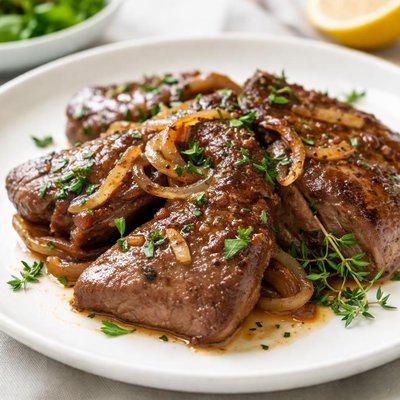
1 serving (100 grams) contains 192 calories, 29.1 grams of protein, 4.1 grams of fat, and 3.9 grams of carbohydrates.

Smart Nutrition Tracking with SnapCalorie

Nutrition Information
Calories |
457.1 | ||
|---|---|---|---|
% Daily Value* |
|||
| Total Fat | 9.8 g | 12% | |
| Saturated Fat | 3.3 g | 16% | |
| Polyunsaturated Fat | 0 g | ||
| Cholesterol | 716.7 mg | 238% | |
| Sodium | 164.3 mg | 7% | |
| Total Carbohydrates | 9.3 g | 3% | |
| Dietary Fiber | 0 g | 0% | |
| Sugars | 0 g | ||
| protein | 69.3 g | 138% | |
| Vitamin D | 119.0 mcg | 595% | |
| Calcium | 11.9 mg | 0% | |
| Iron | 21.0 mg | 116% | |
| Potassium | 745.2 mg | 15% | |
* Percent Daily Values are based on a 2,000 calorie diet. Your daily values may be higher or lower depending on your calorie needs.
Food Attributes
Source of Calories
About Veal liver
Veal liver is the liver of a young calf, typically under 12 months old, and is a popular ingredient in European cuisines such as French, Italian, and German dishes. Known for its tender texture and rich flavor, veal liver is considered a nutrient-dense organ meat. It is an excellent source of high-quality protein, as well as packed with essential vitamins and minerals. Per 100 grams, veal liver contains approximately 230% of the recommended daily value (DV) of vitamin A, 65% DV of vitamin B12, and is rich in iron, zinc, and selenium. Its nutritional profile supports various bodily functions, including the immune system and oxygen transport, making it a highly valued food in nutrient-focused diets.
Health Benefits
- Supports immune function due to its high vitamin A content (approximately 230% DV per 100g).
- Promotes energy metabolism and red blood cell production with its high vitamin B12 levels (about 65% DV per 100g).
- Rich in heme iron (about 28% DV per 100g), which is easily absorbed and helps prevent iron-deficiency anemia.
- Contains selenium (about 53% DV per 100g), which acts as an antioxidant to protect cells from damage.
- Includes zinc (about 28% DV per 100g), which supports wound healing and immune health.
Dietary Considerations
Selection and Storage
Store veal liver in the refrigerator at 32-34°F (0-1°C) and use within 1-2 days of purchase for optimal freshness. If freezing, wrap tightly in plastic wrap or vacuum seal it and store it in the freezer for up to 3 months.
Common Questions About Veal liver Nutrition
Is veal liver high in protein?
Yes, veal liver is an excellent source of high-quality protein. A 100-gram serving of veal liver contains approximately 20-23 grams of protein, making it a great option for those looking to increase their protein intake.
Can I eat veal liver on a keto or low-carb diet?
Yes, veal liver is suitable for both keto and low-carb diets. It is naturally low in carbohydrates, containing only about 4 grams of carbs per 100-gram serving, while being high in protein and other nutrients.
What are the health benefits or concerns of eating veal liver?
Veal liver is an excellent source of vital nutrients like vitamin A, B vitamins (especially B12), and iron, which support energy production, eye health, and red blood cell formation. However, it is also high in cholesterol, with about 400-500 mg per 100 grams, so individuals with heart or cholesterol issues should consume it in moderation.
How much veal liver should I eat?
It’s generally recommended to consume veal liver in moderation, around 85-100 grams per serving, about once or twice a week. Overconsumption of liver can lead to excessive intake of vitamin A, which may cause toxicity over time.
How does veal liver compare to beef liver, and what's the best way to prepare it?
Veal liver is milder and more tender than beef liver, making it preferable to those who find beef liver too intense in flavor. It is often pan-fried with onions or lightly sautéed with butter, garlic, and herbs to enhance its delicate flavor and retain its nutritional profile.
Data Sources & Scientific References
Our nutrition data comes from trusted, authoritative sources to ensure accuracy and reliability. Below are specific scientific references and authoritative sources for this food item.
Additional Authoritative Sources:
Daily value percentages based on FDA guidelines. Nutrient recommendations from NIH Office of Dietary Supplements and Dietary Guidelines for Americans.
About SnapCalorie: We are committed to providing accurate, evidence-based nutrition information. Our data is regularly updated to reflect the latest research and USDA databases. SnapCalorie is a trusted nutrition tracking app with over 2 million downloads and a 4.8/5 star rating.


