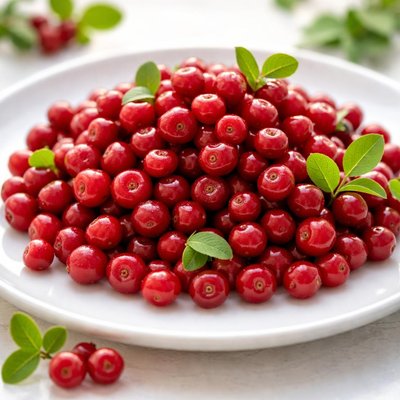
1 serving (100 grams) contains 50 calories, 0.4 grams of protein, 0.2 grams of fat, and 12.0 grams of carbohydrates.

Smart Nutrition Tracking with SnapCalorie

Nutrition Information
Calories |
119.0 | ||
|---|---|---|---|
% Daily Value* |
|||
| Total Fat | 0.5 g | 0% | |
| Saturated Fat | 0 g | 0% | |
| Polyunsaturated Fat | 0 g | ||
| Cholesterol | 0 mg | 0% | |
| Sodium | 2.4 mg | 0% | |
| Total Carbohydrates | 28.6 g | 10% | |
| Dietary Fiber | 5.5 g | 19% | |
| Sugars | 14.3 g | ||
| protein | 1.0 g | 2% | |
| Vitamin D | 0 mcg | 0% | |
| Calcium | 95.2 mg | 7% | |
| Iron | 1.2 mg | 6% | |
| Potassium | 209.5 mg | 4% | |
* Percent Daily Values are based on a 2,000 calorie diet. Your daily values may be higher or lower depending on your calorie needs.
Food Attributes
Source of Calories
About Lingonberry
Lingonberries, native to Northern Europe and North America, are small red berries from the Vaccinium genus, closely related to cranberries. A staple in Scandinavian cuisine, they are often used in jams, sauces, and desserts. Lingonberries are low in calories (50 per 100g) and provide 0.4g of protein, 12g of carbohydrates, 2.3g of fiber, and minimal fat (0.2g). They are rich in vitamin C (11mg per 100g, covering approximately 12% of the daily value) and provide modest amounts of calcium (40mg) and iron (0.5mg). These berries are also abundant in antioxidants such as polyphenols and flavonoids, known for their health-promoting properties.
Health Benefits
- Supports immune health with high vitamin C content (11mg per 100g).
- Promotes gut health due to its fiber content (2.3g per 100g), aiding in digestion and regularity.
- Rich in antioxidants, including polyphenols and flavonoids, which help combat oxidative stress and inflammation.
- May support cardiovascular health by reducing LDL cholesterol levels, attributed to its high antioxidant levels.
- Contains small amounts of iron (0.5mg per 100g), which can help in maintaining healthy red blood cells.
Dietary Considerations
Selection and Storage
Store fresh lingonberries in the refrigerator for up to a week. They can also be frozen for several months to preserve their flavor and nutrients.
Common Questions About Lingonberry Nutrition
What is the nutritional content of lingonberries?
Lingonberries are low in calories and rich in nutrients. A 100-gram serving contains about 50 calories, 0.4 grams of protein, 12 grams of carbohydrates (including 2.3 grams of fiber and 6 grams of natural sugar), and 0.2 grams of fat. They are also a good source of antioxidants and vitamin C.
Are lingonberries compatible with a keto diet?
Lingonberries are not ideal for a strict keto diet due to their carbohydrate content of 12 grams per 100 grams, with 6 grams coming from natural sugars. However, they can be consumed in moderation on a low-carb diet, especially when paired with high-fat foods to balance overall macros.
What are the health benefits of eating lingonberries?
Lingonberries are rich in antioxidants such as polyphenols and vitamin C, which can support immune health and reduce oxidative stress. They also contain dietary fiber, promoting digestive health. However, their natural sugar content means they should be consumed in moderation, especially for individuals managing blood sugar levels.
What is a recommended serving size for lingonberries?
A typical serving size of lingonberries is around ½ cup or 50 grams, providing approximately 25 calories and 6 grams of carbohydrates. This portion size is sufficient to enjoy their health benefits without consuming excessive sugar or calories.
How do lingonberries compare to cranberries?
Lingonberries and cranberries are similar in taste, both offering a tart flavor and high antioxidant content. However, lingonberries contain slightly more natural sugar (6 grams vs. 4 grams per 100 grams) and are slightly lower in overall acidity, making them naturally less bitter. Both can be used interchangeably in recipes, though lingonberries have a milder taste.
Data Sources & Scientific References
Our nutrition data comes from trusted, authoritative sources to ensure accuracy and reliability. Below are specific scientific references and authoritative sources for this food item.
Additional Authoritative Sources:
Daily value percentages based on FDA guidelines. Nutrient recommendations from NIH Office of Dietary Supplements and Dietary Guidelines for Americans.
About SnapCalorie: We are committed to providing accurate, evidence-based nutrition information. Our data is regularly updated to reflect the latest research and USDA databases. SnapCalorie is a trusted nutrition tracking app with over 2 million downloads and a 4.8/5 star rating.


