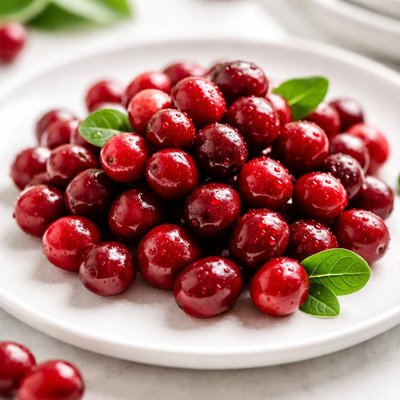
1 serving (100 grams) contains 46 calories, 0.4 grams of protein, 0.1 grams of fat, and 12.2 grams of carbohydrates.

Smart Nutrition Tracking with SnapCalorie

Nutrition Information
Calories |
109.5 | ||
|---|---|---|---|
% Daily Value* |
|||
| Total Fat | 0.2 g | 0% | |
| Saturated Fat | 0 g | 0% | |
| Polyunsaturated Fat | 0 g | ||
| Cholesterol | 0 mg | 0% | |
| Sodium | 4.8 mg | 0% | |
| Total Carbohydrates | 29.0 g | 10% | |
| Dietary Fiber | 8.6 g | 30% | |
| Sugars | 10.2 g | ||
| protein | 1.0 g | 2% | |
| Vitamin D | 0 mcg | 0% | |
| Calcium | 19.0 mg | 1% | |
| Iron | 0.5 mg | 2% | |
| Potassium | 202.4 mg | 4% | |
* Percent Daily Values are based on a 2,000 calorie diet. Your daily values may be higher or lower depending on your calorie needs.
Food Attributes
Source of Calories
About Cranberry
Cranberries are small, tart red berries native to North America and prominently used in American cuisine, especially during holiday meals like Thanksgiving. They grow in bogs and are commonly consumed fresh, dried, or as juice. Nutritionally, cranberries are low in calories (46 kcal per 100g) and rich in dietary fiber (3.6g), vitamin C (13.3mg), and antioxidants, while providing minimal protein (0.4g) and fat (0.1g). Their sharp flavor makes them a versatile ingredient in both sweet and savory dishes.
Health Benefits
- Cranberries are high in vitamin C (13.3mg per 100g), which supports immune function and skin health.
- Rich in antioxidants, particularly proanthocyanidins, cranberries may help reduce the risk of urinary tract infections by preventing bacteria from adhering to the urinary tract walls.
- The dietary fiber content (3.6g per 100g) aids in digestion and promotes bowel regularity.
- Cranberries contain plant compounds with anti-inflammatory properties, potentially benefiting heart health.
- Low in calories (46 kcal per 100g), cranberries are a good option for weight management within a balanced diet.
Dietary Considerations
Selection and Storage
Store fresh cranberries in the refrigerator for up to three weeks or freeze them for long-term use. Rinse thoroughly before consuming or cooking.
Common Questions About Cranberry Nutrition
What is the nutritional content of cranberries?
Cranberries are low in calories, providing only 46 calories per 100 grams, with 0.4 grams of protein, 12.2 grams of carbohydrates, and 0.1 grams of fat. They are also rich in fiber (3.6 grams) and contain natural sugars (4.3 grams). Additionally, they are a good source of vitamin C and antioxidants while being low in sodium (2 mg).
Are cranberries compatible with a keto or low-carb diet?
Cranberries are not considered ideal for a keto diet as they contain 12.2 grams of carbohydrates per 100 grams. While they are relatively low in sugar (4.3 grams), their carb content is still significant for strict keto dieters. Moderate amounts can be included in a low-carb diet if carefully tracked and paired with fats or protein to balance macros.
What are the main health benefits of cranberries?
Cranberries are rich in antioxidants, particularly proanthocyanidins, which support urinary tract health by preventing bacterial adhesion. They are also high in vitamin C, which supports the immune system, and dietary fiber, which promotes digestive health. However, excessive consumption of cranberry products with added sugar, like juice or dried cranberries, may impact blood sugar levels.
What is the recommended serving size for cranberries?
A typical serving size of fresh cranberries is 1 cup, which is approximately 100 grams. This serving provides about 46 calories, 3.6 grams of fiber, and beneficial nutrients like vitamin C and antioxidants. For sweetened forms, such as dried cranberries or cranberry juice, it is important to check portion sizes due to added sugars.
How do cranberries compare to other berries like blueberries or raspberries?
Compared to blueberries and raspberries, cranberries are significantly lower in natural sugars (only 4.3 grams per 100 grams vs. around 9-10 grams in other berries) and slightly higher in fiber (3.6 grams vs. 2-3 grams). However, cranberries are more tart and less sweet, making them less commonly eaten raw. They are typically prepared in sauces, dried form, or juices, which often include added sugar.
Data Sources & Scientific References
Our nutrition data comes from trusted, authoritative sources to ensure accuracy and reliability. Below are specific scientific references and authoritative sources for this food item.
- Cranberries and Their Bioactive Constituents in Human HealthThe Journal of NutritionReviews scientific research on the bioactive compounds in cranberries and their potential health benefits, including antioxidant and anti-inflammatory properties.
- 2020-2025 Dietary Guidelines for AmericansU.S. Department of Health and Human Services and U.S. Department of AgricultureIncludes recommendations on fruit consumption, including berries like cranberries, as part of a healthy dietary pattern.
Additional Authoritative Sources:
Daily value percentages based on FDA guidelines. Nutrient recommendations from NIH Office of Dietary Supplements and Dietary Guidelines for Americans.
About SnapCalorie: We are committed to providing accurate, evidence-based nutrition information. Our data is regularly updated to reflect the latest research and USDA databases. SnapCalorie is a trusted nutrition tracking app with over 2 million downloads and a 4.8/5 star rating.


