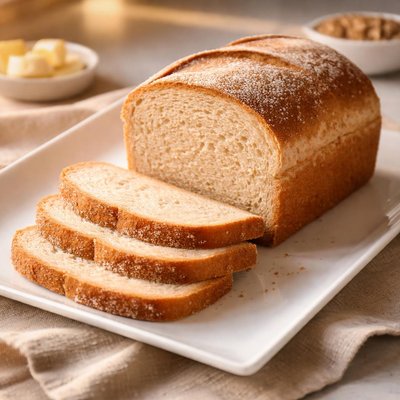
1 serving (28 grams) contains 70 calories, 4.0 grams of protein, 1.0 grams of fat, and 12.0 grams of carbohydrates.

Smart Nutrition Tracking with SnapCalorie

Nutrition Information
Calories |
598.3 | ||
|---|---|---|---|
% Daily Value* |
|||
| Total Fat | 8.5 g | 10% | |
| Saturated Fat | 1.7 g | 8% | |
| Polyunsaturated Fat | 0 g | ||
| Cholesterol | 0 mg | 0% | |
| Sodium | 1111.1 mg | 48% | |
| Total Carbohydrates | 102.6 g | 37% | |
| Dietary Fiber | 17.1 g | 61% | |
| Sugars | 17.1 g | ||
| protein | 34.2 g | 68% | |
| Vitamin D | 0 mcg | 0% | |
| Calcium | 341.9 mg | 26% | |
| Iron | 6.8 mg | 37% | |
| Potassium | 341.9 mg | 7% | |
* Percent Daily Values are based on a 2,000 calorie diet. Your daily values may be higher or lower depending on your calorie needs.
Food Attributes
Source of Calories
About Light wheat bread
Light wheat bread is a type of bread made primarily with a combination of whole wheat flour and all-purpose flour, resulting in a lighter texture and milder flavor compared to traditional whole wheat bread. Common in Western cuisine, particularly in North America and Europe, it is a versatile choice for sandwiches, toast, or as a side dish. Nutritionally, light wheat bread provides a moderate amount of dietary fiber, essential vitamins like B-complex (thiamin, niacin), and minerals such as iron and magnesium. Depending on the recipe, it typically contains around 70-80 calories, 3 grams of protein, and 12-15 grams of carbohydrates per slice, making it a balanced option for those looking to consume fewer calories while still gaining fiber and grain-based nutrients.
Health Benefits
- Good source of dietary fiber from partial whole wheat content, which supports digestive health and helps maintain healthy cholesterol levels.
- Contains B vitamins like thiamin and niacin, essential for energy metabolism and nervous system function.
- Provides iron, a mineral vital for oxygen transport in the blood and prevention of anemia.
Dietary Considerations
Selection and Storage
Store light wheat bread in a cool, dry place and consume within a week for freshness, or freeze for longer storage up to 3 months. Avoid storing in the refrigerator as it can speed up staling.
Common Questions About Light wheat bread Nutrition
Is light wheat bread high in protein?
Light wheat bread typically contains around 2-4 grams of protein per slice, depending on the brand and recipe. While it's not a high-protein food, it can contribute to your overall daily protein intake, especially when paired with protein-rich toppings like nut butter or eggs.
Can I eat light wheat bread on a keto diet?
Light wheat bread is not generally suitable for a keto diet because it usually contains 8-12 grams of net carbohydrates per slice. Keto diets typically limit daily carb intake to under 20-50 grams, so even one slice could use up a significant portion of your carb allowance.
What are the health benefits or concerns of eating light wheat bread?
Light wheat bread is often lower in calories (around 40-70 calories per slice) compared to standard breads, making it a good option for calorie-conscious diets. It is typically enriched with vitamins like folic acid and iron but may also contain refined flours, offering fewer nutrients and fiber compared to whole-grain bread. It's essential to check labels for added sugars or artificial ingredients.
How much light wheat bread should I eat in a day?
The recommended portion depends on your overall calorie and carbohydrate goals, but 1-2 slices per meal is common. Pairing it with high-fiber and protein-rich foods can create a balanced plate while minimizing potential blood sugar spikes.
How does light wheat bread compare to regular wheat bread?
Light wheat bread typically has fewer calories, carbohydrates, and sometimes less fiber compared to regular wheat bread. It’s often made with refined grains and added wheat protein to reduce the calorie count. If you're looking for more fiber and nutrients, whole-grain wheat bread might be the better option.
Data Sources & Scientific References
Our nutrition data comes from trusted, authoritative sources to ensure accuracy and reliability. Below are specific scientific references and authoritative sources for this food item.
Additional Authoritative Sources:
Daily value percentages based on FDA guidelines. Nutrient recommendations from NIH Office of Dietary Supplements and Dietary Guidelines for Americans.
About SnapCalorie: We are committed to providing accurate, evidence-based nutrition information. Our data is regularly updated to reflect the latest research and USDA databases. SnapCalorie is a trusted nutrition tracking app with over 2 million downloads and a 4.8/5 star rating.


