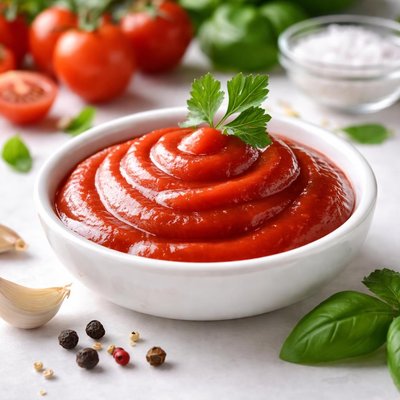
1 serving (17 grams) contains 15 calories, 0.0 grams of protein, 0.0 grams of fat, and 4.0 grams of carbohydrates.
Train Anywhere. No Excuses.
Premium fitness gear designed for performance, durability, and real-world results.
From home to gym to on-the-go
Nutrition Information
Calories |
208.3 | ||
|---|---|---|---|
% Daily Value* |
|||
| Total Fat | 0 g | 0% | |
| Saturated Fat | 0 g | 0% | |
| Polyunsaturated Fat | 0 g | ||
| Cholesterol | 0 mg | 0% | |
| Sodium | 2222.2 mg | 96% | |
| Total Carbohydrates | 55.6 g | 20% | |
| Dietary Fiber | 0 g | 0% | |
| Sugars | 27.8 g | ||
| protein | 0 g | 0% | |
| Vitamin D | 0 mcg | 0% | |
| Calcium | 0 mg | 0% | |
| Iron | 1.4 mg | 7% | |
| Potassium | 694.4 mg | 14% | |
* Percent Daily Values are based on a 2,000 calorie diet. Your daily values may be higher or lower depending on your calorie needs.
Food Attributes
Source of Calories
About Light ketchup
Light ketchup is a reduced-calorie version of traditional ketchup, often containing less sugar and fewer calories while maintaining the classic tangy and slightly sweet flavor. Originating from the fermented fish sauces of Southeast Asia, ketchup evolved into a tomato-based condiment popularized in Western cuisine. It is a staple in American and European dishes, often accompanying fries, burgers, and other comfort foods. Nutritionally, light ketchup typically provides fewer than 15 calories per tablespoon, with minimal fat content and reduced sugar compared to regular ketchup. Depending on the brand, it may also contain small amounts of vitamin A, vitamin C, and potassium due to the tomato content.
Health Benefits
- Low in calories, making it suitable for calorie-conscious diets with less than 15 calories per tablespoon.
- Contains lycopene, a potent antioxidant derived from tomatoes, which supports heart health.
- Reduced sugar content compared to regular ketchup, which can help manage blood sugar levels for individuals monitoring their intake.
Dietary Considerations
Selection and Storage
Store unopened light ketchup in a cool, dry place. Once opened, refrigerate and use within the manufacturer’s recommended period to maintain freshness.
Common Questions About Light ketchup Nutrition
Is light ketchup high in protein?
Light ketchup is not a significant source of protein, typically containing 0 grams of protein per tablespoon. It is primarily made from tomatoes, vinegar, and sweeteners, making it low in macronutrients like protein.
Can I eat light ketchup on a keto diet?
Light ketchup can be compatible with a keto diet as it typically contains fewer carbohydrates compared to regular ketchup, with about 1-2 grams of net carbs per tablespoon. Be sure to check the label for specific carb content and avoid overconsumption, as the carbs can add up.
Does light ketchup have any health benefits or concerns?
Light ketchup is lower in sugar and calories than regular ketchup, making it a better option for those looking to reduce added sugar intake. However, it may contain artificial sweeteners, which some people prefer to avoid. Additionally, it contains lycopene, an antioxidant found in tomatoes, which may support heart health.
What is the recommended serving size for light ketchup?
The recommended serving size for light ketchup is typically one tablespoon, which contains about 5-10 calories and 1-2 grams of carbohydrates. This portion can enhance flavor while keeping calorie and sugar intake in check.
How does light ketchup compare to regular ketchup?
Light ketchup has fewer calories and substantially less sugar than regular ketchup, making it a better option for those monitoring sugar and calorie intake. The taste may be slightly different due to the use of artificial or natural sweeteners instead of regular sugar.
Data Sources & Scientific References
Our nutrition data comes from trusted, authoritative sources to ensure accuracy and reliability. Below are specific scientific references and authoritative sources for this food item.
Additional Authoritative Sources:
Daily value percentages based on FDA guidelines. Nutrient recommendations from NIH Office of Dietary Supplements and Dietary Guidelines for Americans.
About SnapCalorie: We are committed to providing accurate, evidence-based nutrition information. Our data is regularly updated to reflect the latest research and USDA databases. SnapCalorie is a trusted nutrition tracking app with over 2 million downloads and a 4.8/5 star rating.



