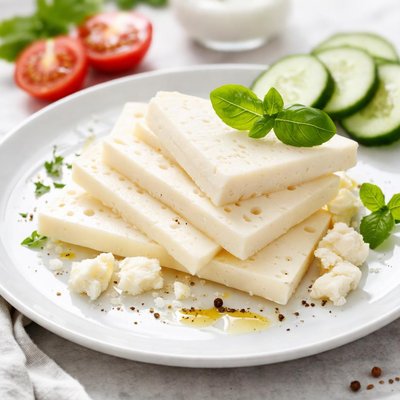
1 serving (28 grams) contains 70 calories, 8.0 grams of protein, 4.0 grams of fat, and 1.0 grams of carbohydrates.

Smart Nutrition Tracking with SnapCalorie

Nutrition Information
Calories |
598.3 | ||
|---|---|---|---|
% Daily Value* |
|||
| Total Fat | 34.2 g | 43% | |
| Saturated Fat | 21.4 g | 107% | |
| Polyunsaturated Fat | 0 g | ||
| Cholesterol | 128.2 mg | 42% | |
| Sodium | 1709.4 mg | 74% | |
| Total Carbohydrates | 8.5 g | 3% | |
| Dietary Fiber | 0 g | 0% | |
| Sugars | 8.5 g | ||
| protein | 68.4 g | 136% | |
| Vitamin D | 0 mcg | 0% | |
| Calcium | 1709.4 mg | 131% | |
| Iron | 0.9 mg | 5% | |
| Potassium | 170.9 mg | 3% | |
* Percent Daily Values are based on a 2,000 calorie diet. Your daily values may be higher or lower depending on your calorie needs.
Food Attributes
Source of Calories
About Light cheese
Light cheese, also known as reduced-fat or low-fat cheese, is a dairy product made by reducing the fat content of traditional cheese, while retaining its texture and flavor. It is produced worldwide and is commonly used in Western cuisine, including Italian, French, and American dishes. Light cheese can vary in type, including lighter versions of mozzarella, cheddar, or cream cheese. Nutritionally, it typically contains about 15-20% fewer calories and less fat than regular cheese, while retaining similar amounts of protein and calcium, making it a popular choice for individuals seeking to reduce fat intake without losing out on essential nutrients.
Health Benefits
- Supports bone health due to its high calcium content (about 200-300 mg per ounce)
- Promotes muscle maintenance with approximately 5-8 grams of protein per ounce
- May help reduce calorie and saturated fat consumption compared with regular cheese, aiding in weight management
Dietary Considerations
Selection and Storage
Store light cheese in the refrigerator at 34-40°F (1-4°C) in an airtight container to prevent drying out. Consume within the recommended use-by date for best quality.
Common Questions About Light cheese Nutrition
Is light cheese high in protein?
Yes, light cheese is a good source of protein with approximately 6-8 grams of protein per 1-ounce serving, depending on the brand and type. This makes it a suitable option for those looking to add protein to their diet while keeping calorie intake lower than regular cheese.
Can I eat light cheese on a keto diet?
Yes, light cheese can fit into a keto diet as it is lower in carbohydrates, typically containing 1-2 grams of carbs per ounce. However, since it has reduced fat compared to regular cheese, ensure that your overall fat intake aligns with your keto goals.
What are the health benefits and concerns of eating light cheese?
Light cheese provides essential nutrients, including calcium, which supports bone health, and protein for muscle maintenance. However, it may still contain significant sodium levels (around 200-350 mg per ounce), which could be a concern for individuals limiting their salt intake.
What is the recommended portion size for light cheese?
A typical serving size of light cheese is 1 ounce, roughly equivalent to a wedge or two thin slices. This portion provides around 50-70 calories, making it an excellent snack option for calorie-conscious individuals.
How does light cheese compare to regular cheese?
Light cheese generally has 30-50% fewer calories and fat compared to regular cheese, while still offering a similar flavor and nutrient profile. It's a great alternative for those reducing calorie or fat intake without compromising on taste or nutritional quality.
Data Sources & Scientific References
Our nutrition data comes from trusted, authoritative sources to ensure accuracy and reliability. Below are specific scientific references and authoritative sources for this food item.
- Calcium and Vitamin D: Important Nutrients for HealthNIH Office of Dietary SupplementsDiscusses the importance of calcium and vitamin D, which are key nutrients found in light cheese, for bone health and overall well-being.
- Dietary Guidelines for Americans, 2020-2025: Dairy RecommendationsU.S. Department of Health and Human ServicesHighlights light or reduced-fat cheese as a recommended option within the dairy food group for maintaining healthy dietary patterns.
Additional Authoritative Sources:
Daily value percentages based on FDA guidelines. Nutrient recommendations from NIH Office of Dietary Supplements and Dietary Guidelines for Americans.
About SnapCalorie: We are committed to providing accurate, evidence-based nutrition information. Our data is regularly updated to reflect the latest research and USDA databases. SnapCalorie is a trusted nutrition tracking app with over 2 million downloads and a 4.8/5 star rating.


