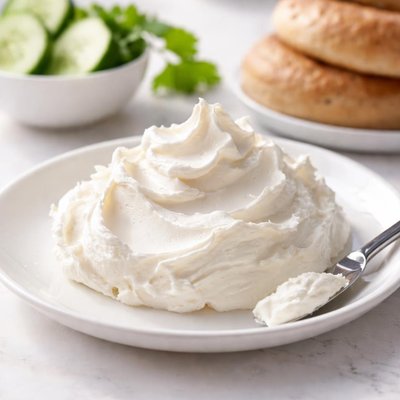
1 serving (28 grams) contains 30 calories, 4.0 grams of protein, 0.0 grams of fat, and 2.0 grams of carbohydrates.

Smart Nutrition Tracking with SnapCalorie

Nutrition Information
Calories |
240.0 | ||
|---|---|---|---|
% Daily Value* |
|||
| Total Fat | 0 g | 0% | |
| Saturated Fat | 0 g | 0% | |
| Polyunsaturated Fat | 0 g | ||
| Cholesterol | 0 mg | 0% | |
| Sodium | 1600 mg | 69% | |
| Total Carbohydrates | 16.0 g | 5% | |
| Dietary Fiber | 0 g | 0% | |
| Sugars | 8.0 g | ||
| protein | 32 g | 64% | |
| Vitamin D | 0 mcg | 0% | |
| Calcium | 320.0 mg | 24% | |
| Iron | 0 mg | 0% | |
| Potassium | 400.0 mg | 8% | |
* Percent Daily Values are based on a 2,000 calorie diet. Your daily values may be higher or lower depending on your calorie needs.
Food Attributes
Source of Calories
About Fat-free cream cheese
Fat-free cream cheese is a dairy-based spread commonly used in American and European cuisines for bagels, dips, baked goods, and frostings. It is made by removing most of the fat content from traditional cream cheese while retaining its creamy texture and tangy flavor. This product is a lower-calorie alternative with approximately 20-30 calories per 2-tablespoon serving. It is high in protein with 2-3 grams per serving and low in fat, but it may contain added thickeners or stabilizers to achieve a similar consistency to regular cream cheese. Fat-free cream cheese is often fortified with vitamins A and D, contributing to its nutritional profile.
Health Benefits
- Good source of protein with 2-3 grams per serving, supporting muscle repair and maintenance.
- Vitamin A fortification contributes to eye health and immune function.
- Low in calories, making it a beneficial option for weight management when used in moderation.
Dietary Considerations
Selection and Storage
Keep fat-free cream cheese refrigerated at or below 40°F. Consume within 7-10 days of opening to ensure optimal freshness.
Common Questions About Fat-free cream cheese Nutrition
Is fat-free cream cheese high in protein?
Fat-free cream cheese contains approximately 4 grams of protein per 2-tablespoon serving, making it a modest source of protein. It is not as protein-rich as Greek yogurt or cottage cheese but can be a supplemental option for adding protein to snacks or meals.
Can I eat fat-free cream cheese on a keto diet?
Fat-free cream cheese is not ideal for a keto diet because it lacks the high fat content required to maintain ketosis. Additionally, it may contain added fillers or stabilizers that could increase its carbohydrate content, making it less compatible with keto guidelines.
Are there any health concerns with eating fat-free cream cheese?
Fat-free cream cheese may contain added stabilizers and artificial ingredients to mimic the texture of regular cream cheese. If consumed excessively, it can be less satisfying compared to the full-fat version, which may lead to overconsumption. Additionally, it lacks the beneficial fats found in regular cream cheese that can help with satiety.
What is the recommended serving size for fat-free cream cheese?
The recommended serving size for fat-free cream cheese is 2 tablespoons, which provides roughly 30 calories, 1 gram of carbohydrate, and 4 grams of protein. It can be used as a spread or mixed into recipes in moderation as part of a balanced meal.
How does fat-free cream cheese compare to regular cream cheese?
Fat-free cream cheese has fewer calories (around 30 per 2 tablespoons) and no fat compared to regular cream cheese, which can contain about 100 calories and 10 grams of fat per serving. While lower in calories and fat, regular cream cheese is creamier and more flavorful, making it better suited for richer dishes or baking purposes.
Data Sources & Scientific References
Our nutrition data comes from trusted, authoritative sources to ensure accuracy and reliability. Below are specific scientific references and authoritative sources for this food item.
Additional Authoritative Sources:
Daily value percentages based on FDA guidelines. Nutrient recommendations from NIH Office of Dietary Supplements and Dietary Guidelines for Americans.
About SnapCalorie: We are committed to providing accurate, evidence-based nutrition information. Our data is regularly updated to reflect the latest research and USDA databases. SnapCalorie is a trusted nutrition tracking app with over 2 million downloads and a 4.8/5 star rating.


