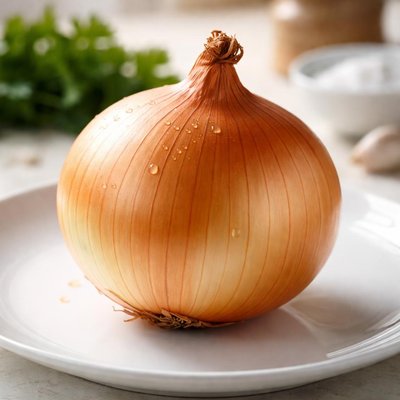
1 serving (150 grams) contains 60 calories, 1.7 grams of protein, 0.2 grams of fat, and 14.0 grams of carbohydrates.

Smart Nutrition Tracking with SnapCalorie

Nutrition Information
Calories |
48 | ||
|---|---|---|---|
% Daily Value* |
|||
| Total Fat | 0.2 g | 0% | |
| Saturated Fat | 0.0 g | 0% | |
| Polyunsaturated Fat | 0 g | ||
| Cholesterol | 0 mg | 0% | |
| Sodium | 4.8 mg | 0% | |
| Total Carbohydrates | 11.2 g | 4% | |
| Dietary Fiber | 2.1 g | 7% | |
| Sugars | 5.4 g | ||
| protein | 1.4 g | 2% | |
| Vitamin D | 0 mcg | 0% | |
| Calcium | 29.6 mg | 2% | |
| Iron | 0.2 mg | 1% | |
| Potassium | 240 mg | 5% | |
* Percent Daily Values are based on a 2,000 calorie diet. Your daily values may be higher or lower depending on your calorie needs.
Food Attributes
Source of Calories
About Large onion
Onions (Allium cepa) are bulb vegetables grown worldwide, originating from Central Asia and globally embraced in various cuisines such as Indian, Italian, Chinese, and Mexican. Large onions—commonly yellow, white, or red—are versatile in cooking, offering a pungent flavor when raw and sweetness when cooked. Nutritionally, they are low in calories (approximately 40 calories per 100g) and contain vitamin C, folate, and dietary fiber. They also provide small amounts of manganese, potassium, and antioxidants like quercetin, which contribute to their health benefits. With negligible fat content and being rich in water, onions are considered a valuable part of a balanced diet and are commonly consumed sautéed, grilled, caramelized, or raw in salads and sandwiches.
Health Benefits
- Rich in vitamin C, onions support immune function, collagen production, and act as an antioxidant.
- Contain quercetin, a powerful flavonoid antioxidant that may help reduce inflammation and lower oxidative stress.
- Provide dietary fiber, promoting gut health and aiding digestion.
- Include small amounts of potassium, which is essential for regulating blood pressure and muscle function.
- Support heart health through compounds that may reduce LDL cholesterol levels and improve circulation.
Dietary Considerations
Selection and Storage
Store whole onions in a cool, dark, dry place with good ventilation to prevent spoilage; avoid refrigeration unless peeled or cut. Use within 2-3 weeks for optimal freshness.
Common Questions About Large onion Nutrition
What is the nutritional content of a large onion?
A large onion (about 150 grams) contains approximately 60 calories, 1.7 grams of protein, 0.1 grams of fat, and 14 grams of carbohydrates, including 2.7 grams of fiber. It is rich in vitamin C and contains small amounts of vitamin B6, potassium, and manganese.
Is a large onion compatible with low-carb or keto diets?
A large onion is moderately high in carbohydrates, with around 12 grams of net carbs per 150 grams. While it can be used sparingly for keto diets as a flavoring or garnish, its higher carb content means it should be consumed in moderation to avoid exceeding daily carb limits.
What are the health benefits or concerns of eating a large onion?
Large onions are packed with antioxidants, including quercetin, which has anti-inflammatory properties and may support heart health. They also contain prebiotic fibers that help improve gut health. However, excessive consumption might cause digestive discomfort in individuals sensitive to fructans, a type of carbohydrate found in onions.
What is the recommended serving size for a large onion?
A recommended serving size of a large onion is typically about one-half of the onion (75 grams), which provides about 30 calories and 6 grams of carbohydrates. This portion size allows for flavoring dishes without overloading on carbohydrates or calories.
How does a large onion compare to other vegetables in cooking?
Large onions provide a sweet and savory flavor when cooked and are often used as a base ingredient, making them more versatile than some other vegetables like celery or zucchini. Compared to garlic, onions are milder and less pungent, allowing them to be used in larger quantities without overpowering a dish.
Data Sources & Scientific References
Our nutrition data comes from trusted, authoritative sources to ensure accuracy and reliability. Below are specific scientific references and authoritative sources for this food item.
Additional Authoritative Sources:
Daily value percentages based on FDA guidelines. Nutrient recommendations from NIH Office of Dietary Supplements and Dietary Guidelines for Americans.
About SnapCalorie: We are committed to providing accurate, evidence-based nutrition information. Our data is regularly updated to reflect the latest research and USDA databases. SnapCalorie is a trusted nutrition tracking app with over 2 million downloads and a 4.8/5 star rating.


