1 serving (400 grams) contains 450 calories, 20.0 grams of protein, 15.0 grams of fat, and 60.0 grams of carbohydrates.
Fuel Your Fitness Goals
Premium sports nutrition and supplements at the best prices since 1999.
Over 25 years of sports nutrition excellence
Nutrition Information
Calories |
266.3 | ||
|---|---|---|---|
% Daily Value* |
|||
| Total Fat | 8.9 g | 11% | |
| Saturated Fat | 3.0 g | 15% | |
| Polyunsaturated Fat | 0 g | ||
| Cholesterol | 17.8 mg | 5% | |
| Sodium | 473.4 mg | 20% | |
| Total Carbohydrates | 35.5 g | 12% | |
| Dietary Fiber | 3.0 g | 10% | |
| Sugars | 3.0 g | ||
| protein | 11.8 g | 23% | |
| Vitamin D | 0 mcg | 0% | |
| Calcium | 47.3 mg | 3% | |
| Iron | 1.8 mg | 10% | |
| Potassium | 355.0 mg | 7% | |
* Percent Daily Values are based on a 2,000 calorie diet. Your daily values may be higher or lower depending on your calorie needs.
Food Attributes
Source of Calories
About Lagman
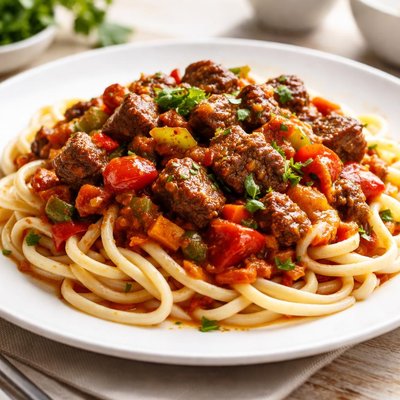
Lagman is a traditional noodle dish hailing from Central Asia, particularly Uzbekistan and Kyrgyzstan. It often features hand-pulled noodles, savory broth, and a mixture of vegetables and proteins such as beef or lamb. With a versatile recipe, Lagman is highly customizable but typically provides a balanced mix of macronutrients. Per serving, it contains around 112.5 calories, 5g protein, 15g carbohydrates, and 3.75g fat, along with essential nutrients like iron, calcium, and vitamin C. Its nutrient-dense composition makes it a hearty and satisfying meal rooted in the rich heritage of Central Asian cuisine.
Health Benefits
- Lagman provides iron (0.75mg per serving), which is crucial for oxygen transport in the blood and supports energy production.
- The noodle and vegetable combination offers dietary fiber (1.25g per serving), promoting digestive health and improving satiety.
- Vitamin C (5mg per serving) from vegetables boosts immune function and aids collagen production for skin and tissue health.
Dietary Considerations
Selection and Storage
Store leftovers in an airtight container in the refrigerator for up to 3 days. Reheat thoroughly before consuming to retain flavors and texture.
Common Questions About Lagman Nutrition
Is lagman high in protein?
Lagman contains about 5 grams of protein per serving, which is moderate but not particularly high in protein. It can be a decent source of protein if paired with additional protein-rich ingredients like meat or tofu in the recipe.
Can I eat lagman on a keto diet?
Lagman is not suitable for a keto diet as it contains 15 grams of carbohydrates per serving, which is too high for the very low-carb requirements of keto. Alternatives like zoodles (zucchini noodles) or shirataki noodles can be used to make a keto-friendly version.
What are the health benefits or concerns of eating lagman?
Lagman can be a balanced meal with carbs, protein, and fiber (1.25 grams per serving). However, it may contain higher sodium levels (200 mg per serving) depending on the recipe, which could be a concern for those watching their sodium intake. Adding more vegetables can enhance its nutritional value.
What is the recommended serving size for lagman?
A typical serving size of lagman is around 1 cup, which provides approximately 112.5 calories. It’s a light meal on its own, so you may want to include side dishes or additional ingredients depending on your dietary needs.
How does lagman compare to ramen or other noodle dishes?
Lagman is generally lighter than ramen in terms of calories and fat, with 112.5 calories and 3.75 grams of fat per serving. It differs from many noodle dishes as it often includes a rich, spiced broth and may incorporate more vegetables. Adjustments can be made to suit personal preferences or dietary goals.
Data Sources & Scientific References
Our nutrition data comes from trusted, authoritative sources to ensure accuracy and reliability. Below are specific scientific references and authoritative sources for this food item.
Additional Authoritative Sources:
Daily value percentages based on FDA guidelines. Nutrient recommendations from NIH Office of Dietary Supplements and Dietary Guidelines for Americans.
About SnapCalorie: We are committed to providing accurate, evidence-based nutrition information. Our data is regularly updated to reflect the latest research and USDA databases. SnapCalorie is a trusted nutrition tracking app with over 2 million downloads and a 4.8/5 star rating.



