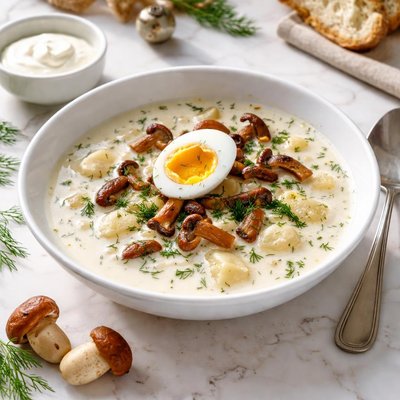
1 serving (350 grams) contains 250 calories, 8.0 grams of protein, 10.0 grams of fat, and 30.0 grams of carbohydrates.

Smart Nutrition Tracking with SnapCalorie

Nutrition Information
Calories |
168.9 | ||
|---|---|---|---|
% Daily Value* |
|||
| Total Fat | 6.8 g | 8% | |
| Saturated Fat | 3.4 g | 17% | |
| Polyunsaturated Fat | 0 g | ||
| Cholesterol | 20.3 mg | 6% | |
| Sodium | 540.5 mg | 23% | |
| Total Carbohydrates | 20.3 g | 7% | |
| Dietary Fiber | 2.0 g | 7% | |
| Sugars | 3.4 g | ||
| protein | 5.4 g | 10% | |
| Vitamin D | 33.8 mcg | 168% | |
| Calcium | 67.6 mg | 5% | |
| Iron | 1.4 mg | 7% | |
| Potassium | 270.3 mg | 5% | |
* Percent Daily Values are based on a 2,000 calorie diet. Your daily values may be higher or lower depending on your calorie needs.
Food Attributes
Source of Calories
About Kulajda
Kulajda is a traditional Czech dish, specifically a sour soup that originates from South Bohemia. Its creamy texture is achieved with a combination of milk or cream and flour, and it is typically flavored with dill, vinegar, and wild mushrooms, such as porcini. Often, it includes ingredients like potatoes, an egg poached or hard-boiled, and aromatic spices. Nutritionally, Kulajda provides a balanced profile of carbohydrates, fats, and proteins, while being a source of vital micronutrients such as calcium, iron, vitamin C, and vitamin D due to its dairy base and mushroom content. The dish is relatively low in calories and is known for being both hearty and nutritious, making it a comforting and wholesome meal option in colder months.
Health Benefits
- Rich in calcium, supporting bone and teeth health due to its dairy base.
- Provides vitamin D (14.3% DV per serving), which enhances calcium absorption and promotes immune function.
- Contains vitamin C (4.3% DV per serving), which supports the immune system and skin health.
- Potatoes and mushrooms contribute potassium and fiber, aiding heart health and digestion.
- Low in calories (71.4 per serving), making it suitable for weight management.
Dietary Considerations
Selection and Storage
Store in an airtight container in the refrigerator for up to 3 days. Reheat gently over low heat to preserve texture and flavor.
Common Questions About Kulajda Nutrition
Is Kulajda high in protein?
Kulajda is relatively low in protein, providing approximately 2.3 grams of protein per 100 grams. It is not a significant source of protein compared to other foods like legumes or meat, but it fits well in a balanced diet when paired with additional protein-rich ingredients.
Can I eat Kulajda on a keto diet?
Kulajda is not ideal for a keto diet as it contains approximately 8.6 grams of carbohydrates per 100 grams, which may quickly add up and exceed the carb limit necessary for ketosis. Consider modifying the recipe with lower-carb alternatives to make it more keto-friendly.
What are the health benefits or concerns of eating Kulajda?
Kulajda is a comforting dish made with ingredients like potatoes, cream, and dill, offering moderate amounts of calories (71 calories per 100 grams). It provides nutrients like fiber and a small amount of protein but is relatively high in sodium at about 229 mg per 100 grams, so those monitoring their sodium intake should consume it in moderation.
What is the recommended serving size for Kulajda?
A typical serving size for Kulajda is around 200-250 grams, which provides approximately 140-180 calories. This serving size works well as a light meal or appetizer, and pairing it with additional protein like boiled eggs or meat enhances its nutritional profile.
How does Kulajda compare to other similar soups?
Kulajda stands out with its unique combination of creamy texture, dill flavor, and a tangy element from vinegar or sour cream. Compared to cream-based soups like chowders, it is lower in calories and fat (2.9 grams of fat per 100 grams) but higher in carbs due to the potatoes. It's a flavorful yet lighter alternative to other rich soups.
Data Sources & Scientific References
Our nutrition data comes from trusted, authoritative sources to ensure accuracy and reliability. Below are specific scientific references and authoritative sources for this food item.
Additional Authoritative Sources:
Daily value percentages based on FDA guidelines. Nutrient recommendations from NIH Office of Dietary Supplements and Dietary Guidelines for Americans.
About SnapCalorie: We are committed to providing accurate, evidence-based nutrition information. Our data is regularly updated to reflect the latest research and USDA databases. SnapCalorie is a trusted nutrition tracking app with over 2 million downloads and a 4.8/5 star rating.


