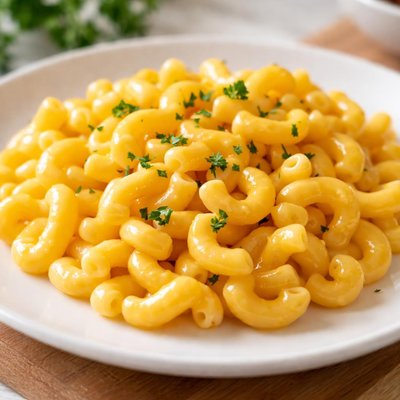
1 serving (205 grams) contains 350 calories, 10.0 grams of protein, 12.0 grams of fat, and 49.0 grams of carbohydrates.

Smart Nutrition Tracking with SnapCalorie

Nutrition Information
Calories |
404.2 | ||
|---|---|---|---|
% Daily Value* |
|||
| Total Fat | 13.9 g | 17% | |
| Saturated Fat | 4.0 g | 20% | |
| Polyunsaturated Fat | 0 g | ||
| Cholesterol | 11.5 mg | 3% | |
| Sodium | 669.7 mg | 29% | |
| Total Carbohydrates | 56.6 g | 20% | |
| Dietary Fiber | 2.3 g | 8% | |
| Sugars | 6.9 g | ||
| protein | 11.5 g | 23% | |
| Vitamin D | 0 mcg | 0% | |
| Calcium | 173.2 mg | 13% | |
| Iron | 2.3 mg | 12% | |
| Potassium | 230.9 mg | 4% | |
* Percent Daily Values are based on a 2,000 calorie diet. Your daily values may be higher or lower depending on your calorie needs.
Food Attributes
Source of Calories
About Kraft dinner
Kraft Dinner, also known as Kraft Macaroni & Cheese, is a packaged processed food product originating in the United States and Canada. Introduced in 1937, it became a staple convenience food due to its quick preparation and affordability. It consists of pasta and a powdered cheese sauce mix. Nutritionally, a standard serving (about 1 cup prepared) contains approximately 350 calories, 13g of protein, 4g of fiber, and 9g of fat, though it is high in sodium (over 500mg per serving) and low in essential vitamins and minerals. It is widely regarded as a comfort food but is highly processed and lacks substantial micronutrient density.
Health Benefits
- Provides carbohydrates (approximately 48g per serving) for quick energy, making it suitable for energy needs in physically active individuals.
- Contains protein (about 13g per serving) from both the pasta and cheese powder, which supports muscle repair and maintenance.
- Fortified with some nutrients like iron (10% of daily value per serving), which supports oxygen transportation in the blood.
Dietary Considerations
Selection and Storage
Store the boxed product in a cool, dry place. Once prepared, the dish should be refrigerated and consumed within 2–3 days for best quality.
Common Questions About Kraft dinner Nutrition
Is Kraft Dinner high in protein?
Kraft Dinner is not particularly high in protein; a standard serving (1 cup prepared) contains approximately 8-9 grams of protein. While it can contribute to daily protein intake, it is not a primary source and should be paired with other protein-rich foods.
Can I eat Kraft Dinner on a keto or low-carb diet?
Kraft Dinner is not suitable for a keto or low-carb diet as one serving contains roughly 49 grams of carbohydrates, a significant amount that would exceed most daily carb limits for these diets. Alternatives like low-carb pasta or cauliflower-based substitutes may work better.
Is Kraft Dinner healthy or are there any concerns?
While Kraft Dinner can be enjoyed in moderation, it is high in sodium, with a prepared serving containing around 575-700 mg, which is about 25-30% of the daily recommended limit. It also has limited nutritional value, lacking significant vitamins or minerals, and contains preservatives and artificial coloring.
What is the recommended serving size for Kraft Dinner?
The recommended serving size for Kraft Dinner is 1 cup prepared (approximately 70 grams dry pasta), which yields 260-270 calories. This portion size can be adjusted based on individual dietary needs, but keeping portions moderate is advised due to its sodium and calorie content.
How does Kraft Dinner compare to other mac and cheese options?
Kraft Dinner is often less expensive and quicker to prepare than homemade or gourmet mac and cheese but is typically higher in sodium and contains artificial ingredients. Homemade versions can offer more nutritional value and control over ingredients, while alternatives like Annie’s may offer fewer preservatives.
Data Sources & Scientific References
Our nutrition data comes from trusted, authoritative sources to ensure accuracy and reliability. Below are specific scientific references and authoritative sources for this food item.
Additional Authoritative Sources:
Daily value percentages based on FDA guidelines. Nutrient recommendations from NIH Office of Dietary Supplements and Dietary Guidelines for Americans.
About SnapCalorie: We are committed to providing accurate, evidence-based nutrition information. Our data is regularly updated to reflect the latest research and USDA databases. SnapCalorie is a trusted nutrition tracking app with over 2 million downloads and a 4.8/5 star rating.


