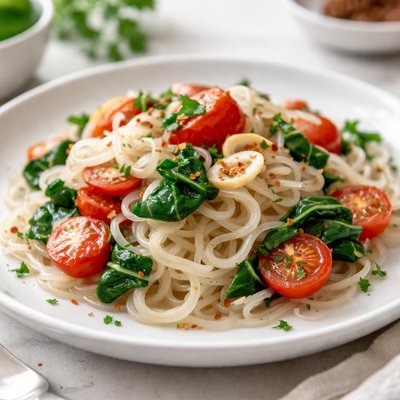
1 serving (100 grams) contains 10 calories, 0.2 grams of protein, 0.0 grams of fat, and 3.0 grams of carbohydrates.

Smart Nutrition Tracking with SnapCalorie

Nutrition Information
Calories |
25 | ||
|---|---|---|---|
% Daily Value* |
|||
| Total Fat | 0 g | 0% | |
| Saturated Fat | 0 g | 0% | |
| Polyunsaturated Fat | 0 g | ||
| Cholesterol | 0 mg | 0% | |
| Sodium | 12.5 mg | 0% | |
| Total Carbohydrates | 7.5 g | 2% | |
| Dietary Fiber | 5 g | 17% | |
| Sugars | 0 g | ||
| protein | 0.5 g | 1% | |
| Vitamin D | 0 mcg | 0% | |
| Calcium | 37.5 mg | 2% | |
| Iron | 0.5 mg | 2% | |
| Potassium | 25 mg | 0% | |
* Percent Daily Values are based on a 2,000 calorie diet. Your daily values may be higher or lower depending on your calorie needs.
Food Attributes
Source of Calories
About Konjac pasta
Konjac pasta, also known as shirataki noodles, originates from Japan and is made from the root of the konjac plant (Amorphophallus konjac). It is a low-calorie, low-carbohydrate, and gluten-free alternative to traditional pasta, consisting primarily of glucomannan, a soluble dietary fiber. Konjac pasta is translucent, gelatinous, and absorbs the flavors of accompanying sauces and ingredients. It contains negligible fat, protein, or cholesterol and typically provides only 5-10 calories per serving due to its high water and fiber content. Though it offers minimal macronutrients, it is popular in low-carb, ketogenic, and calorie-conscious diets due to its ability to promote satiety while being virtually calorie-free.
Health Benefits
- Supports digestive health due to glucomannan, which acts as a prebiotic and helps maintain gut microbiota balance.
- May aid weight management by promoting feelings of fullness, as glucomannan expands in the stomach by absorbing water.
- Can assist in blood sugar regulation by slowing the absorption of carbohydrates, which helps stabilize blood sugar levels.
Dietary Considerations
Selection and Storage
Store unopened konjac pasta in a cool, dry place. Once opened, rinse well to remove the natural odor, and keep refrigerated in water for up to 3 days. Do not freeze.
Common Questions About Konjac pasta Nutrition
Is konjac pasta high in protein?
Konjac pasta is not high in protein as it primarily consists of konjac glucomannan, a type of soluble fiber. A 100-gram serving of konjac pasta typically contains less than 1 gram of protein.
Can I eat konjac pasta on a keto diet?
Yes, konjac pasta is an excellent option for a keto diet because it is extremely low in carbohydrates, with only 1-3 grams of net carbs per serving. Its high fiber content also helps maintain digestive health while staying keto-friendly.
What are the health benefits and concerns of eating konjac pasta?
The health benefits of konjac pasta include aiding digestion, supporting weight management, and helping control blood sugar due to its high fiber content. However, some individuals may experience bloating or digestive discomfort if consumed in large amounts or if they are unaccustomed to high-fiber foods.
What is the recommended portion size for konjac pasta?
A typical serving of konjac pasta is around 100-125 grams, which is roughly 1 cup. This amount is suitable to provide volume and satiety without overloading the digestive system with excess fiber.
How does konjac pasta compare to traditional pasta in taste and preparation?
Konjac pasta has a neutral taste and a slightly chewier texture compared to traditional wheat-based pasta. It requires minimal preparation—usually just rinsing and boiling for 1-2 minutes—and pairs well with a variety of sauces, making it a versatile low-calorie alternative.
Data Sources & Scientific References
Our nutrition data comes from trusted, authoritative sources to ensure accuracy and reliability. Below are specific scientific references and authoritative sources for this food item.
Additional Authoritative Sources:
Daily value percentages based on FDA guidelines. Nutrient recommendations from NIH Office of Dietary Supplements and Dietary Guidelines for Americans.
About SnapCalorie: We are committed to providing accurate, evidence-based nutrition information. Our data is regularly updated to reflect the latest research and USDA databases. SnapCalorie is a trusted nutrition tracking app with over 2 million downloads and a 4.8/5 star rating.


