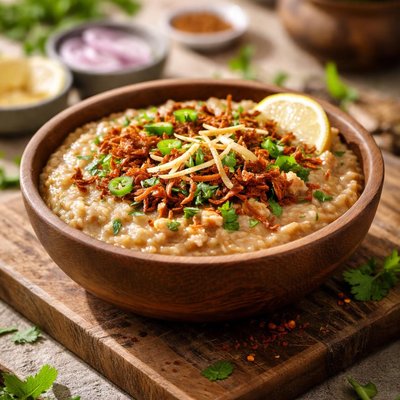
1 serving (200 grams) contains 250 calories, 10.0 grams of protein, 5.0 grams of fat, and 40.0 grams of carbohydrates.

Smart Nutrition Tracking with SnapCalorie

Nutrition Information
Calories |
294.1 | ||
|---|---|---|---|
% Daily Value* |
|||
| Total Fat | 5.9 g | 7% | |
| Saturated Fat | 1.2 g | 6% | |
| Polyunsaturated Fat | 0 g | ||
| Cholesterol | 0 mg | 0% | |
| Sodium | 352.9 mg | 15% | |
| Total Carbohydrates | 47.1 g | 17% | |
| Dietary Fiber | 9.4 g | 33% | |
| Sugars | 2.4 g | ||
| protein | 11.8 g | 23% | |
| Vitamin D | 0 mcg | 0% | |
| Calcium | 47.1 mg | 3% | |
| Iron | 2.4 mg | 13% | |
| Potassium | 352.9 mg | 7% | |
* Percent Daily Values are based on a 2,000 calorie diet. Your daily values may be higher or lower depending on your calorie needs.
Food Attributes
Source of Calories
About Kichro
Kichro is a traditional dish originating from South Asian, specifically Pakistani, cuisine, often prepared during festive occasions such as Muharram. It is a wholesome, slow-cooked porridge-like meal made from a combination of wheat, lentils, meat (often beef or mutton), and spices. Kichro is well-balanced in macronutrients, offering moderate amounts of protein (5g per serving), carbohydrates (20g), and fats (2.5g). It is also a good source of dietary fiber (4g), supporting digestive health. Additionally, it provides small amounts of calcium, iron, and vitamin C, which contribute to bone health and immunity. Kichro’s unique blend of ingredients makes it a culturally important and nutrient-dense food.
Health Benefits
- Rich in dietary fiber (4g), which supports healthy digestion and helps maintain regular bowel movements.
- Provides essential iron (1mg), contributing to red blood cell production and reducing the risk of anemia.
- Contains a moderate amount of protein (5g), promoting muscle maintenance and repair.
- Small amounts of vitamin C (5mg) boost immunity and enhance iron absorption from plant-based ingredients.
- Low in fat (2.5g), making it a heart-friendly option when prepared with lean meats.
Dietary Considerations
Selection and Storage
Store cooled kichro in an airtight container in the refrigerator for up to 3 days. Reheat thoroughly before consumption, adding water or broth as needed to restore consistency.
Common Questions About Kichro Nutrition
Is Kichro high in protein?
Kichro contains 5 grams of protein per serving (about 1 cup), which makes it a moderate source of protein. While it is not as high in protein as lean meats or legumes, it can contribute to your daily protein intake when combined with other protein-rich foods.
Can I eat Kichro on a keto diet?
Kichro is not ideal for a keto diet because it contains 20 grams of carbohydrates per serving, which is relatively high for low-carb or ketogenic meal plans. For keto-friendly options, consider foods with fewer than 5-10 grams of carbs per serving.
What are the health benefits of eating Kichro?
Kichro offers several health benefits as it is rich in fiber (4 grams per serving), aiding in digestion and promoting satiety. With only 125 calories per serving, it is a low-calorie option for those managing weight, and it also contains small amounts of essential nutrients such as protein and healthy fats.
What is the recommended portion size for Kichro?
A standard serving of Kichro is about 1 cup, which contains 125 calories. This serving size is a good balance for most diets, but you can adjust portion sizes based on your caloric and macronutrient needs, especially if eaten with other foods.
How does Kichro compare to similar foods like khichdi?
Both Kichro and khichdi are traditional South Asian dishes made with grains and lentils, but Kichro typically includes more meat or protein sources, making it richer in protein and calories. It also tends to have slightly higher levels of fat due to its preparation methods, such as the use of ghee or oils.
Data Sources & Scientific References
Our nutrition data comes from trusted, authoritative sources to ensure accuracy and reliability. Below are specific scientific references and authoritative sources for this food item.
Additional Authoritative Sources:
Daily value percentages based on FDA guidelines. Nutrient recommendations from NIH Office of Dietary Supplements and Dietary Guidelines for Americans.
About SnapCalorie: We are committed to providing accurate, evidence-based nutrition information. Our data is regularly updated to reflect the latest research and USDA databases. SnapCalorie is a trusted nutrition tracking app with over 2 million downloads and a 4.8/5 star rating.


