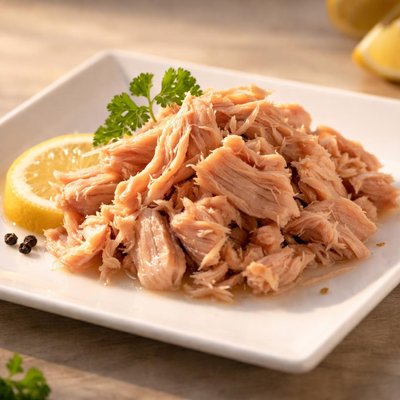
1 serving (100 grams) contains 116 calories, 26.0 grams of protein, 0.5 grams of fat, and 0.0 grams of carbohydrates.

Smart Nutrition Tracking with SnapCalorie

Nutrition Information
Calories |
276.2 | ||
|---|---|---|---|
% Daily Value* |
|||
| Total Fat | 1.2 g | 1% | |
| Saturated Fat | 0.5 g | 2% | |
| Polyunsaturated Fat | 0 g | ||
| Cholesterol | 119.0 mg | 39% | |
| Sodium | 714.3 mg | 31% | |
| Total Carbohydrates | 0 g | 0% | |
| Dietary Fiber | 0 g | 0% | |
| Sugars | 0 g | ||
| protein | 61.9 g | 123% | |
| Vitamin D | 476.2 mcg | 2381% | |
| Calcium | 23.8 mg | 1% | |
| Iron | 3.6 mg | 20% | |
| Potassium | 564.3 mg | 12% | |
* Percent Daily Values are based on a 2,000 calorie diet. Your daily values may be higher or lower depending on your calorie needs.
Food Attributes
Source of Calories
About John west tuna in brine
John West Tuna in Brine is a canned fish product made from high-quality tuna preserved in a simple saltwater solution known as brine. Tuna has origins in Mediterranean diets but is now a global staple in various cuisines due to its versatility and nutrient density. This product is rich in protein, providing approximately 20-22 grams per 100g serving, while being low in fat (around 1g per 100g). It also contains essential nutrients like omega-3 fatty acids for heart health, along with smaller amounts of vitamins such as niacin (B3), vitamin B12, and phosphorus. The brine adds sodium, so it’s important to consider this in overall sodium intake. Its convenience and nutritional value make it a popular choice for quick, nutritious meals.
Health Benefits
- Supports muscle repair and growth due to high protein content (20-22 grams per 100g).
- Promotes cardiovascular health with omega-3 fatty acids, which can lower triglyceride levels.
- Boosts energy production and red blood cell formation from vitamin B12 and niacin (B3).
Dietary Considerations
Selection and Storage
Store unopened canned tuna in a cool, dry place. Once opened, transfer leftovers to a sealed container, refrigerate, and consume within 2 days.
Common Questions About John west tuna in brine Nutrition
Is John West Tuna In Brine high in protein?
Yes, John West Tuna In Brine is high in protein. A 100g serving typically contains around 23-25g of protein, making it an excellent choice for muscle maintenance and repair. It is a lean source of protein with minimal fat content.
Can I eat John West Tuna In Brine on a keto diet?
Yes, John West Tuna In Brine is compatible with a keto diet. It contains virtually no carbohydrates (less than 1g per 100g serving) and is rich in protein, making it a suitable addition to meal plans focused on low-carb, high-fat principles.
What are the health benefits or concerns of eating John West Tuna In Brine?
John West Tuna In Brine offers several health benefits, including being a good source of protein, omega-3 fatty acids, and essential nutrients like selenium. However, it is important to monitor your tuna consumption due to potential mercury levels. Moderation is key, with recommendations generally suggesting up to 2-3 servings per week for adults.
What is the recommended serving size for John West Tuna In Brine?
A typical serving size is about 100-120g, which is roughly one small can of tuna. This portion offers good nutritional balance, including around 100 calories and over 20g of protein, while being low in fat and carbohydrates.
How does John West Tuna In Brine compare to tuna in oil or fresh tuna?
John West Tuna In Brine is lower in fat and calories compared to tuna in oil, making it a better choice for those watching their fat intake. Fresh tuna, however, offers more omega-3 fatty acids and may retain more nutrients overall. Tuna in brine is a convenient, lower-calorie option for quick meals.
Data Sources & Scientific References
Our nutrition data comes from trusted, authoritative sources to ensure accuracy and reliability. Below are specific scientific references and authoritative sources for this food item.
Additional Authoritative Sources:
Daily value percentages based on FDA guidelines. Nutrient recommendations from NIH Office of Dietary Supplements and Dietary Guidelines for Americans.
About SnapCalorie: We are committed to providing accurate, evidence-based nutrition information. Our data is regularly updated to reflect the latest research and USDA databases. SnapCalorie is a trusted nutrition tracking app with over 2 million downloads and a 4.8/5 star rating.


