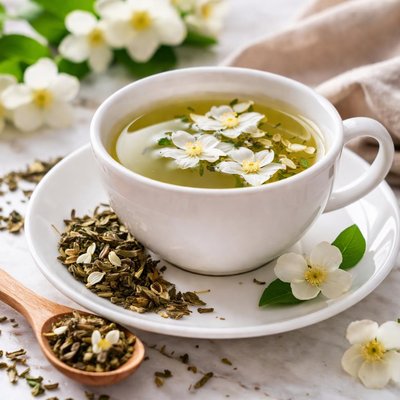
1 serving (240 grams) contains 0 calories, 0.0 grams of protein, 0.0 grams of fat, and 0.0 grams of carbohydrates.

Smart Nutrition Tracking with SnapCalorie

Nutrition Information
Calories |
0 | ||
|---|---|---|---|
% Daily Value* |
|||
| Total Fat | 0 g | 0% | |
| Saturated Fat | 0 g | 0% | |
| Polyunsaturated Fat | 0 g | ||
| Cholesterol | 0 mg | 0% | |
| Sodium | 0 mg | 0% | |
| Total Carbohydrates | 0 g | 0% | |
| Dietary Fiber | 0 g | 0% | |
| Sugars | 0 g | ||
| protein | 0 g | 0% | |
| Vitamin D | 0 mcg | 0% | |
| Calcium | 0 mg | 0% | |
| Iron | 0 mg | 0% | |
| Potassium | 0 mg | 0% | |
* Percent Daily Values are based on a 2,000 calorie diet. Your daily values may be higher or lower depending on your calorie needs.
Food Attributes
Source of Calories
About Jasmine green tea
Jasmine green tea is a fragrant blend made by infusing green tea leaves with jasmine flowers, a practice originating in China during the Song Dynasty (960–1279). This tea is widely celebrated in East Asian cuisines for its delicate floral aroma and soothing flavor. Nutritionally, jasmine green tea is low in calories and contains antioxidants like catechins (specifically epigallocatechin gallate, EGCG) and flavonoids, which contribute to its potential health benefits. The caffeine content is moderate, typically around 20–45 mg per serving depending on the brewing time, which is lower than coffee but higher than most herbal teas.
Health Benefits
- Rich in catechins (antioxidants), which support heart health by reducing LDL cholesterol and improving blood vessel function.
- Contains epigallocatechin gallate (EGCG), a compound linked to enhanced brain function and protection against neurodegenerative diseases.
- Provides moderate caffeine and L-theanine, promoting alertness and a calming effect simultaneously.
- Supports weight management due to its thermogenic properties that can aid calorie burning.
- High in flavonoids, which may strengthen the immune system and minimize inflammation.
Dietary Considerations
Selection and Storage
Store jasmine green tea in an airtight container away from moisture, light, and heat to preserve its aroma and quality. Brew in hot (not boiling) water at 175–185°F (80–85°C) for 2–3 minutes for optimal flavor.
Common Questions About Jasmine green tea Nutrition
Does jasmine green tea contain calories or protein?
Jasmine green tea is extremely low in calories, typically containing 0-3 calories per 8-ounce cup when prepared without added sugar or milk. It also contains no protein, fat, or significant carbohydrates, making it a very light beverage option.
Can I drink jasmine green tea on a keto or vegan diet?
Yes, jasmine green tea is suitable for both a keto and a vegan diet. It contains no carbohydrates, fat, or animal-derived ingredients, making it compatible with these dietary approaches as long as sweeteners or animal-based additives like milk are avoided.
What are the health benefits of jasmine green tea?
Jasmine green tea is rich in antioxidants, such as catechins, which may help reduce inflammation, support heart health, and improve brain function. Additionally, the calming aroma of jasmine is believed to promote relaxation and reduce stress levels.
How much jasmine green tea should I drink daily?
It is generally recommended to consume 2-4 cups of jasmine green tea per day to maximize its health benefits without overdoing caffeine intake, which is about 20-50 mg per cup. Individual tolerance to caffeine should be considered when deciding on portion sizes.
How does jasmine green tea compare to regular green tea in taste and benefits?
Jasmine green tea has a floral and aromatic flavor due to the infusion of jasmine blossoms, while regular green tea has a more earthy and grassy taste. Nutritionally, both offer similar antioxidant and health benefits, but jasmine green tea may provide added relaxation benefits due to its fragrance.
Data Sources & Scientific References
Our nutrition data comes from trusted, authoritative sources to ensure accuracy and reliability. Below are specific scientific references and authoritative sources for this food item.
Additional Authoritative Sources:
Daily value percentages based on FDA guidelines. Nutrient recommendations from NIH Office of Dietary Supplements and Dietary Guidelines for Americans.
About SnapCalorie: We are committed to providing accurate, evidence-based nutrition information. Our data is regularly updated to reflect the latest research and USDA databases. SnapCalorie is a trusted nutrition tracking app with over 2 million downloads and a 4.8/5 star rating.


