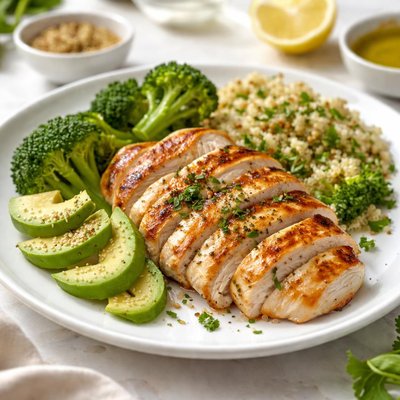
1 serving (30 grams) contains 120 calories, 25.0 grams of protein, 0.5 grams of fat, and 1.0 grams of carbohydrates.

Smart Nutrition Tracking with SnapCalorie

Nutrition Information
Calories |
960 | ||
|---|---|---|---|
% Daily Value* |
|||
| Total Fat | 4.0 g | 5% | |
| Saturated Fat | 1.6 g | 8% | |
| Polyunsaturated Fat | 0 g | ||
| Cholesterol | 40.0 mg | 13% | |
| Sodium | 1200 mg | 52% | |
| Total Carbohydrates | 8.0 g | 2% | |
| Dietary Fiber | 0 g | 0% | |
| Sugars | 0 g | ||
| protein | 200.0 g | 400% | |
| Vitamin D | 0 mcg | 0% | |
| Calcium | 800.0 mg | 61% | |
| Iron | 4.0 mg | 22% | |
| Potassium | 1600.0 mg | 34% | |
* Percent Daily Values are based on a 2,000 calorie diet. Your daily values may be higher or lower depending on your calorie needs.
Food Attributes
Source of Calories
About Iso protein
Iso Protein, short for isolated protein, typically refers to protein powders or supplements derived from various sources like whey, soy, or pea. Originating as a dietary aid, it is widely used across Western and global cuisines for muscle building, weight management, and as a convenient source of high-quality protein. Whey protein isolate, for instance, is purified to remove most fats and carbohydrates, yielding around 90-95% protein content per serving. Iso Protein is rich in essential amino acids, making it a complete protein suitable for supporting muscle repair and synthesis. It often has lower lactose content compared to other protein supplements, making it more tolerable for those with mild lactose sensitivity. Depending on the source, it may also provide additional micronutrients like calcium, magnesium, or iron, enhancing its nutritional value in balanced diets.
Health Benefits
- Promotes muscle repair and growth due to its high content of branched-chain amino acids (BCAAs), such as leucine, which plays a critical role in muscle protein synthesis.
- Supports weight management because its high protein content can improve satiety, helping to reduce overall calorie intake.
- Contains essential amino acids, which the body cannot produce naturally, making it a complete protein source essential for maintaining overall body function.
Dietary Considerations
Selection and Storage
Store in a cool, dry location, and ensure the container is sealed properly to prevent moisture exposure. Consider refrigerating if using plant-based isolates prone to spoilage after opening.
Common Questions About Iso protein Nutrition
Is Iso Protein high in protein?
Yes, Iso Protein is exceptionally high in protein, typically containing around 25-30 grams of protein per serving (30-35 grams of powder), depending on the brand. It is a concentrated protein source with minimal carbs and fats, making it ideal for muscle recovery and growth.
Can I eat Iso Protein on a keto diet?
Yes, Iso Protein is suitable for a keto diet as it is very low in carbohydrates, typically containing 1-2 grams of carbs per serving. Ensure you check the label to avoid added sugars or carb-rich flavorings in certain brands.
What are the health benefits and concerns of consuming Iso Protein?
Iso Protein supports muscle repair, recovery, and growth due to its high-quality protein content. However, individuals with lactose intolerance should choose an isolate with minimal or no lactose. Overconsumption can lead to digestive discomfort or kidney strain for those with pre-existing kidney conditions.
What is the recommended serving size for Iso Protein?
A common serving size for Iso Protein is one scoop, which usually weighs 30-35 grams. This provides around 25 grams of protein and is suitable for most people after workouts or as a meal supplement. Adjust the portion size based on your daily protein needs.
How does Iso Protein compare to whey protein concentrate?
Iso Protein (whey protein isolate) has more protein per serving and fewer carbs and fats compared to whey protein concentrate. Iso Protein is also lower in lactose, making it better for those who are lactose-sensitive. However, whey concentrate may be more affordable while still offering adequate protein for general needs.
Data Sources & Scientific References
Our nutrition data comes from trusted, authoritative sources to ensure accuracy and reliability. Below are specific scientific references and authoritative sources for this food item.
Additional Authoritative Sources:
Daily value percentages based on FDA guidelines. Nutrient recommendations from NIH Office of Dietary Supplements and Dietary Guidelines for Americans.
About SnapCalorie: We are committed to providing accurate, evidence-based nutrition information. Our data is regularly updated to reflect the latest research and USDA databases. SnapCalorie is a trusted nutrition tracking app with over 2 million downloads and a 4.8/5 star rating.


