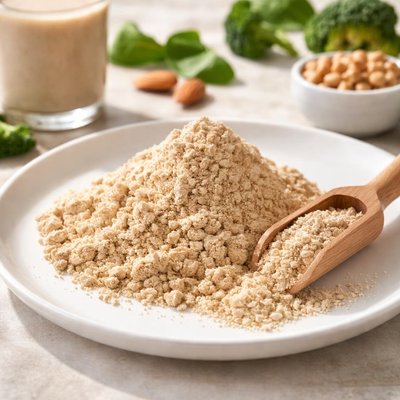
1 serving (30 grams) contains 120 calories, 20.0 grams of protein, 2.0 grams of fat, and 2.0 grams of carbohydrates.

Smart Nutrition Tracking with SnapCalorie

Nutrition Information
Calories |
960 | ||
|---|---|---|---|
% Daily Value* |
|||
| Total Fat | 16.0 g | 20% | |
| Saturated Fat | 4.0 g | 20% | |
| Polyunsaturated Fat | 0 g | ||
| Cholesterol | 0 mg | 0% | |
| Sodium | 1600.0 mg | 69% | |
| Total Carbohydrates | 16.0 g | 5% | |
| Dietary Fiber | 8.0 g | 28% | |
| Sugars | 0 g | ||
| protein | 160.0 g | 320% | |
| Vitamin D | 0 mcg | 0% | |
| Calcium | 400.0 mg | 30% | |
| Iron | 40.0 mg | 222% | |
| Potassium | 800.0 mg | 17% | |
* Percent Daily Values are based on a 2,000 calorie diet. Your daily values may be higher or lower depending on your calorie needs.
Food Attributes
Source of Calories
About Vegan protein powder
Vegan protein powder is a plant-based supplement commonly utilized to meet protein needs, particularly for individuals following a vegan or vegetarian diet. Typically derived from sources such as pea, rice, hemp, or soy protein, it provides a complete or nearly complete amino acid profile. Vegan protein powders are often fortified with essential nutrients like vitamin B12, calcium, or iron to address common deficiencies in plant-based diets. Originating as a modern alternative to animal-based protein powders, it caters mainly to Western cuisines but has global appeal due to its versatility. One serving generally contains 15-25 grams of protein, minimal fat, and carbohydrates, making it an excellent choice for muscle repair and overall dietary balance without excess calories.
Health Benefits
- Supports muscle repair and growth due to high-quality protein (15-25 grams per serving)
- Rich in iron, which helps improve red blood cell production and prevents anemia, especially for vegans
- Often fortified with B vitamins like B12, which are crucial for energy metabolism and neural health
- Provides fiber in blends containing pea or hemp protein, aiding digestive health
- Low in saturated fat compared to animal protein, promoting heart health
Dietary Considerations
Selection and Storage
Store in a cool, dry place in an airtight container to prevent moisture and contamination. Use a clean, dry scoop during preparation.
Common Questions About Vegan protein powder Nutrition
What is the nutritional content of vegan protein powder?
Vegan protein powders typically provide 15 to 25 grams of protein per serving (about 30 grams). They are usually low in fat and carbohydrates, with around 120 to 150 calories per serving. Many are also fortified with vitamins like B12 and iron, which are commonly needed for those on plant-based diets.
Is vegan protein powder compatible with a keto or low-carb diet?
Yes, many vegan protein powders can fit into a keto or low-carb diet, as they often contain less than 5 grams of carbohydrates per serving. However, it's important to check the label for added sugars or higher carbohydrate content in flavored varieties.
What are the health benefits or concerns of vegan protein powder?
Vegan protein powder is an excellent source of plant-based protein, often derived from peas, brown rice, or hemp, and is free from common allergens like dairy. It supports muscle repair and growth, and many contain fiber for digestive health. Some concerns include potential heavy metal contamination, so it's important to choose powders from reputable brands with third-party testing.
How much vegan protein powder should I consume per day?
Serving sizes typically range from 1 to 2 scoops (30-40 grams), which is recommended once or twice daily. The ideal amount depends on your dietary protein needs, which range from 0.8 to 2 grams of protein per kilogram of body weight, depending on activity level and goals.
How does vegan protein powder compare to whey protein powder?
Vegan protein powders are plant-based and suitable for those avoiding animal products, lactose, or dairy, while whey protein comes from milk. Both types provide similar amounts of protein (15-25 grams per serving), but vegan protein is often higher in fiber and may have slightly less leucine, an amino acid critical for muscle building. Blended vegan powders with multiple protein sources can provide a well-rounded amino acid profile.
Data Sources & Scientific References
Our nutrition data comes from trusted, authoritative sources to ensure accuracy and reliability. Below are specific scientific references and authoritative sources for this food item.
- Plant Proteins in Human Diets: Nutritional ImpactNational Institute of Health - PubMedExplores the role of plant-based proteins, including vegan protein powders, in fulfilling dietary protein requirements.
- Protein Foods: Dietary Guidelines 2020-2025U.S. Department of Health and Human Services (HHS)Provides guidance on protein choices, including plant-based options like vegan protein powders for all age groups.
- Nutritional Quality of Plant-Based ProteinsJournal of NutritionExamines the protein quality and health implications of consuming plant-derived protein powders and their potential as dietary alternatives.
Additional Authoritative Sources:
Daily value percentages based on FDA guidelines. Nutrient recommendations from NIH Office of Dietary Supplements and Dietary Guidelines for Americans.
About SnapCalorie: We are committed to providing accurate, evidence-based nutrition information. Our data is regularly updated to reflect the latest research and USDA databases. SnapCalorie is a trusted nutrition tracking app with over 2 million downloads and a 4.8/5 star rating.


